


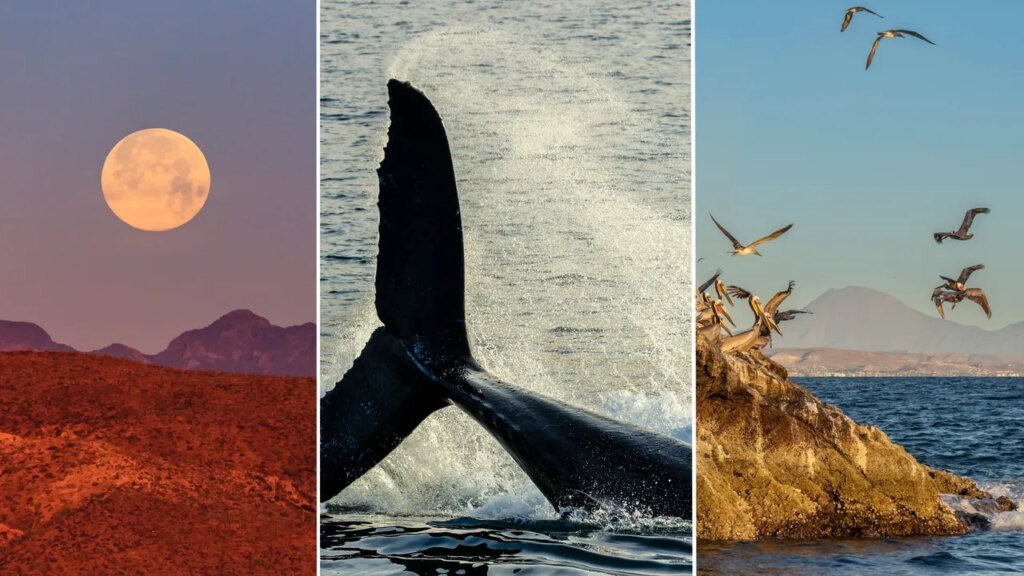
The Marvel of Whale Watching in Baja California: An Oceanic Adventure
Whale watching offers a unique glimpse into the majestic lives of marine creatures. In Baja California Sur, particularly near Cabo San Lucas, this experience reaches another level of wonder. As we sail through the azure waters aboard the National Geographic Venture, we find ourselves surrounded by humpback whales and their calves, unveiling a ballet of delicate movements that beautifully harmonize with the ocean’s rhythm. This mesmerizing aquatic world invites us to reconnect with nature amid the rugged beauty of the desert landscape.
A Closer Encounter with Humpback Whales
As our vessel glides through the waves, the thrill of potentially spotting a whale tail propels our anticipation. After days of sailing, our hopes hinge on catching more than just glimpses of these graceful giants. The moment we draw near, the air fills with excitement, and there’s an almost collective gasp as a whale emerges briefly before it vanishes into the deep. Hearing their rhythmic breaths reminds us of the immense life below the surface. We are not just spectators; we are part of this natural theatre, captivated by the drama unfolding before us.
Explore Baja California’s marine life, a region rich in biodiversity, where every observing eye is keenly aware of this breathtaking connection with the natural world. As we wait for the whales to reappear, the anticipation builds, a palpable tension that binds us to the ocean’s pulse.
Connecting with Nature Through Guided Tours
Our guide, Luis Cuarenta, enriches the experience with his deep passion for marine life. His insights underscore an essential truth: the whales are as curious about us as we are about them. Having spent eight years leading snorkeling and whale-watching tours, Luis emphasizes the connection he feels with these creatures. The sheer thrill of being watched by these magnificent animals underlines the importance of mutual respect in our interactions with wildlife.
Through his experiences, Luis teaches us that effective wildlife watching isn’t just about perception; it’s about participation. Engaging with the marine ecosystem fosters a deeper appreciation for its intricacies and vulnerabilities. Tours like these provide a platform for education, allowing visitors to appreciate the conservation successes in the area, particularly the recovery of Cabo Pulmo’s coral reef.
A Conservation Success Story
Cabo Pulmo’s coral reef, a thriving natural habitat, stands testament to successful conservation efforts. Once on the brink of collapse due to overfishing, the reef was designated a Natural Protected Area in 1995, spurred by community initiatives. Fast forward two decades, and this incredible ecosystem has seen over a 460% increase in fish biomass in designated no-take zones.
Wondrously, life is rebounding here, with various marine species thriving once more. Visitors will encounter everything from spectacular schools of Bigeye Trevally fish to the playful California sea lions near Isla San Pedro Martir. Learn about marine conservation and how eco-tourism plays a critical role in preserving these habitats for future generations.
The Thrill of Dolphin and Shark Encounters
While humpback whales often steal the spotlight, the marine ecosystem here is home to many other fascinating creatures. From playful dolphins to awe-inspiring sharks, every outing is an opportunity for unforgettable encounters. Luis highlights how seeing sharks up close while snorkeling creates feelings of awe and respect. These magnificent creatures, once feared, are now recognized for their vital role in maintaining healthy ocean ecosystems.
Interacting with such biodiversity inspires a sense of responsibility among visitors, reminding us that our actions can significantly impact marine life. Explore more about shark conservation and why protecting these apex predators is crucial in maintaining balance within the ocean.
The Role of Community in Eco-Tourism
Eco-tourism thrives because of the community’s collective effort and commitment to preserving the local environment. Residents like Luis share their deep-rooted knowledge of marine life with visitors, fulfilling two objectives: educating tourists and fostering economic stability through sustainable practices. By prioritizing the longevity of their natural resources, communities are ensuring that generations to come will also cherish these marine wonders.
This symbiotic relationship between locals and tourists embodies the essence of eco-tourism, where travelers don’t just observe—they contribute. Engaging in responsible tourism helps bolster conservation efforts, translating curiosity about marine life into financial support for sustaining these ecosystems.
Conclusion: Join the Adventure and Make a Difference
The experience of whale watching in Baja California transcends tourism; it’s a heartwarming enveloping of humanity and nature. It beckons us to appreciate the beauty of marine life while understanding our essential role in preserving it. Each whale sighting serves as a poignant reminder of nature’s majesty and fragility.
Consider joining this incredible adventure and becoming a part of the movement that protects our oceans. By participating in eco-friendly tours, you contribute directly to conservation efforts while enjoying one of nature’s most breathtaking spectacles. Plan your eco-adventure in Baja California and be part of a solution that supports marine biodiversity and sustainable tourism for generations to come.
This article is based on reporting from www.cntraveler.com.
The original version of the story can be found on their website.
Original Source:
www.cntraveler.com
Image Credit: www.cntraveler.com ·
View image