


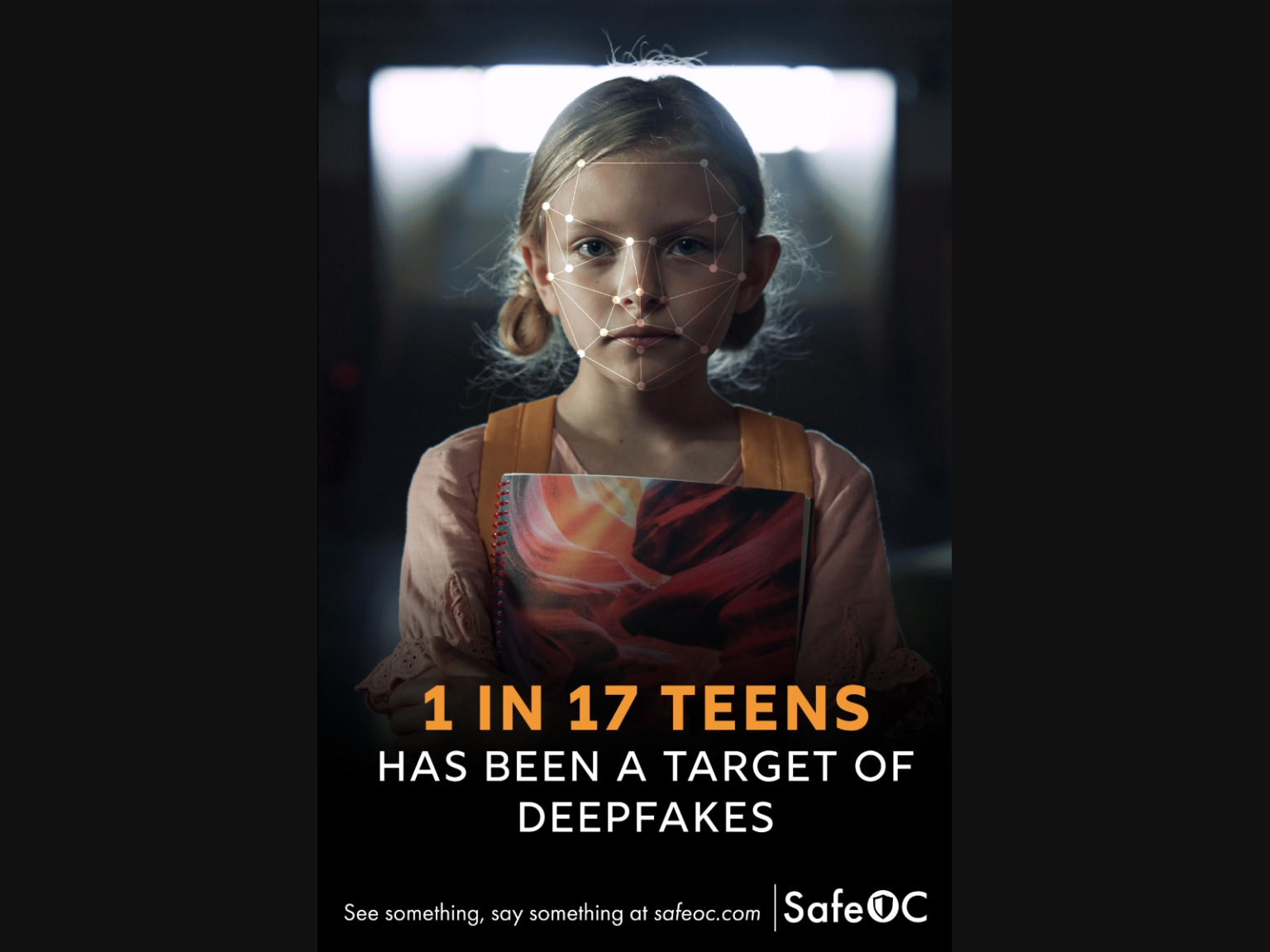
Understanding the Dangers of Deepfakes: Protecting Our Children Online
In today’s digital age, the rise of deepfakes poses a severe threat to children and adolescents. As technology evolves, so does the potential for its misuse. Deepfakes, a term coined in 2017, refer to the synthetic creation of realistic photographs, videos, or audio using artificial intelligence. Initially popularized by celebrity impersonations, this technology has morphed into a tool for exploitation, and unfortunately, children are among the most vulnerable targets. As highlighted by experts like Corrine St. Thomas Stowers, former Supervising Intelligence Analyst, offenders can manipulate images of children to create child pornography, raising alarming concerns about digital safety.
A Disturbing Trend in Child Exploitation
As the internet continues to adapt, the surge in child sexual abuse materials has become distressingly evident. In 2019, 96% of online deepfake videos were linked to pornography, according to Deeptrace, an Italian tech company. Tragically, the accessibility of AI technology has exacerbated the problem. Experts from organizations like the National Center for Missing and Exploited Children (NCMEC) report an increase in cyber tips related to child exploitation—growing from approximately 100 tips per day to a staggering 1,000 or more. The current landscape indicates that not only is child abuse escalating, but new methods such as sextortion have also emerged, placing immense pressure on minors.
The Mechanics of Deepfakes
Deepfakes utilize advanced digital technology and AI tools to create faux visuals and audio. The development of undressing apps exemplifies this misuse; these apps allow users to fabricate nude images from innocent photographs. As if this weren’t alarming enough, recent findings reveal that such technologies have enabled offenders to generate sexual abuse materials featuring children and even infants. This not only taints the innocence of youth but can instigate devastating psychological and physical harm. Furthermore, offenders can utilize such manipulative imagery to coerce and exploit young individuals, perpetuating a vicious cycle of abuse.
Growing Risks Among Adolescents
It’s important to recognize that child victimization is not solely an adult-on-juvenile issue. Recent incidents have highlighted child-on-child exploitation, where adolescents can be both victims and perpetrators. Cases, like that of a New Jersey teenager using a deepfake app to create pornographic images of classmates, underscore how deeply ingrained this issue has become. Reports indicate that as many as 15% of high school students are aware of deepfake content targeting their peers. With generative AI becoming more sophisticated, the boundary between reality and fabrication is increasingly blurred, complicating legal and ethical discussions surrounding virtual abuse.
Legislative Approaches to Combat Deepfakes
It is evident that legislative action is essential in addressing the threats posed by deepfakes. The proposed Take It Down Act aims to combat non-consensual intimate visual depictions, including those generated by AI. By imposing stiff penalties on offenders who create and distribute non-consensual content, particularly involving minors, the law aims to be a strong deterrent. However, the effectiveness of such legislation is tempered by resource limitations within enforcement agencies. State legislatures are increasingly stepping in, with notable laws enacted to tackle online impersonation and intimidation, but the battle against deepfake technology is far from over.
Empowering Parents and Caregivers
As guardians of children’s safety, it is crucial for parents to take proactive measures to protect their offspring from online threats. The responsibility extends beyond simply relying on laws and technological solutions. Parents are urged to enable parental controls across all devices, investigate apps for monitoring online activity, and maintain open lines of communication. Through honest discussions about the risks and setting clear expectations, parents can empower their children to navigate the digital landscape safely. To facilitate this, resources like SafeOC provide valuable guidelines for educating families about online safety.
Conclusion: The Urgent Need for Vigilance and Awareness
In conclusion, the disturbing growth of deepfakes and online exploitation highlights an urgent need for vigilance and ongoing education. As reported by experts like Corrine St. Thomas Stowers, the scale of child victimization is staggering, and its psychological impact can be devastating. With legislation evolving and technology advancing, it is imperative for parents, educators, and law enforcement to remain vigilant. By fostering a culture of awareness and encouragement, we can collectively work toward creating safer online environments for our children. While the journey ahead is challenging, the stakes couldn’t be higher. Our children’s safety and well-being in the digital age depend on it.
This article is based on reporting from patch.com.
The original version of the story can be found on their website.
Original Source:
patch.com
Image Credit: patch.com ·
View image