


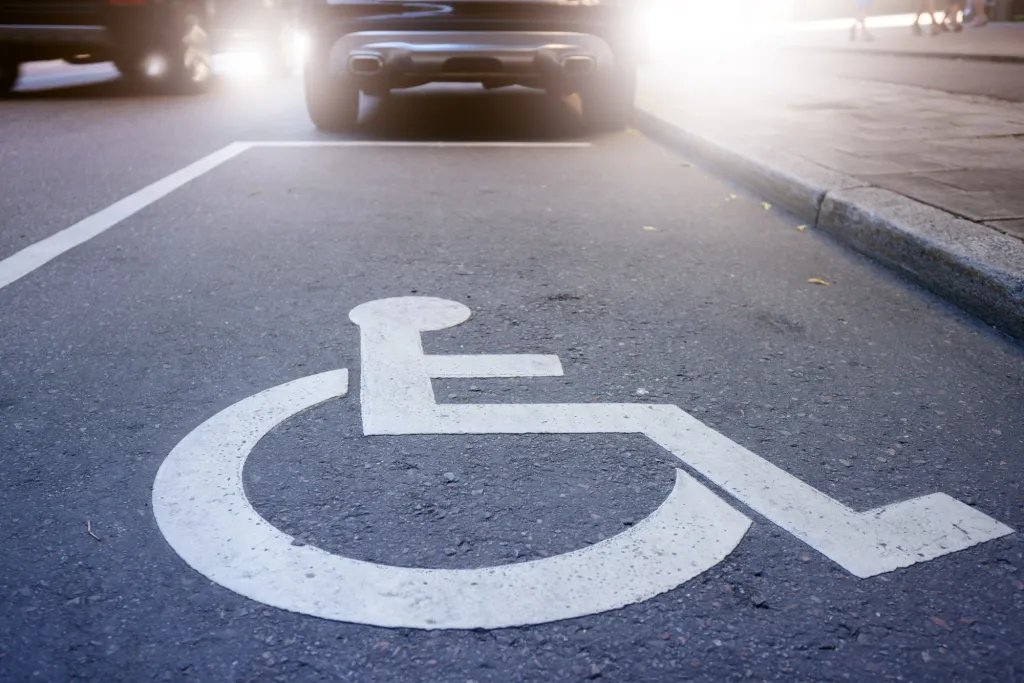
Understanding Handicap Parking Laws and Enhanced Traffic Safety Measures in California
Navigating the complexities of handicap parking laws can be challenging, especially for those assisting individuals with disabilities. A common query arises about the legality of using a handicap parking space when the registered owner of the placard is not present in the vehicle. This article delves into these laws while also exploring the broader context of traffic safety and law enforcement priorities in California.
Legality of Using Handicap Parking Spaces
The key to understanding handicap parking laws lies in the assigned placard’s intended use. According to Sgt. Gerard McCann of the Orange County Sheriff’s Department, as long as the person the placard is issued for is physically present, a friend or caregiver is legally permitted to park in designated handicap spaces. Therefore, when you drop off a handicapped roommate and wait in a designated spot with his placard on display, it aligns with the law’s intent. However, it’s essential to carry documentation proving your authorization, as this could be beneficial should you be approached by law enforcement.
The spirit of the law is to provide accessibility and convenience to individuals with disabilities. Consequently, it’s crucial for caregivers to be informed about these regulations to avoid potential legal consequences. Having clear documentation in the vehicle serves not only as a safeguard but also reflects responsible and lawful behavior.
Addressing Altered License Plates
Another pressing issue concerns the observable prevalence of altered license plates in California. Many citizens, like Marty Berg from Riverside, have echoed their concerns about cars with tampered tags polluting parking lots. While law enforcement agencies focus on high-priority issues such as DUI offenses and distracted driving, the problem of altered plates is noteworthy and merits attention.
Lt. Matt Gutierrez of the California Highway Patrol (CHP) explains that violations of license plate regulations often lead to more significant offenses, including vehicle theft and associated crimes. Therefore, though altered plates may seem like a minor infraction, they can be indicative of more substantial issues that warrant police interest.
California law is explicit; license plates must remain unaltered and displayed as received from the Department of Motor Vehicles (DMV). This means no spray paint, covers, or any modifications are allowed. In 2024 alone, the CHP reported issuing over 1,300 citations for altered plates and more than 52,400 citations for improper display of plates.
The Relationship Between License Compliance and Traffic Safety
It’s vital to understand how license plate compliance ties into broader traffic safety measures. The National Highway Traffic Safety Administration has published alarming statistics, noting that 2,148 drivers aged 15 to 20 lost their lives in crashes in 2023. This age group represented a disproportionate number of drivers involved in fatal collisions compared to their licensing status.
There’s an apparent correlation between proper vehicle registration and safety on the roads. Vehicles with altered or non-compliant plates can be linked to a higher risk of being involved in dangerous driving behaviors. As such, statewide regulation of license plates serves as both a public safety measure and a deterrent against criminal activity.
Priorities in Law Enforcement
While the safety of all road users remains a priority, law enforcement must balance various urgent issues. Officers often prioritize accidents or offenses that pose immediate risks to life and property, such as intoxicated driving and lack of safety belt use. Although violations involving altered license plates fall lower on the list, they can still provide valuable insight into broader patterns of criminal behavior.
Understanding why law enforcement focuses on specific infractions can help citizens better comprehend how laws are enforced and the importance of compliance. Community awareness around these regulations can act as a motivator for responsible behavior, encouraging individuals to keep their vehicles compliant with state laws.
Safeguarding Vulnerable Road Users
The overarching goal of handicap parking laws and heightened traffic safety measures is to protect vulnerable road users. Individuals with disabilities often face barriers in accessing public spaces, and consistent law enforcement practices can help create a more inclusive environment. The collaboration between law enforcement, the DMV, and community members plays a crucial role in ensuring safety standards are met.
Additionally, individuals who use handicap parking spaces must also be advocates for themselves and their caregivers. Awareness campaigns about the legal responsibilities associated with handicap placards can further empower those involved to make informed decisions and support one another effectively.
Conclusion
Navigating handicap parking laws and traffic safety in California necessitates a deeper understanding of regulations and law enforcement practices. While assisting those with disabilities, caregivers can legally utilize handicap spaces, provided documentation is in order, fostering compliance with the law. Addressing minor infractions like altered license plates underscores the significance of maintaining vehicle compliance, as it relates to broader public safety measures.
As citizens, fostering a culture of accountability and awareness will not only aid in compliance but also contribute to an overall secure driving environment. For further queries or concerns regarding traffic laws, residents are encouraged to reach out to local law enforcement or reputable resources to stay informed and compliant.
This article is based on reporting from www.ocregister.com.
The original version of the story can be found on their website.
Original Source:
www.ocregister.com
Image Credit: www.ocregister.com ·
View image