





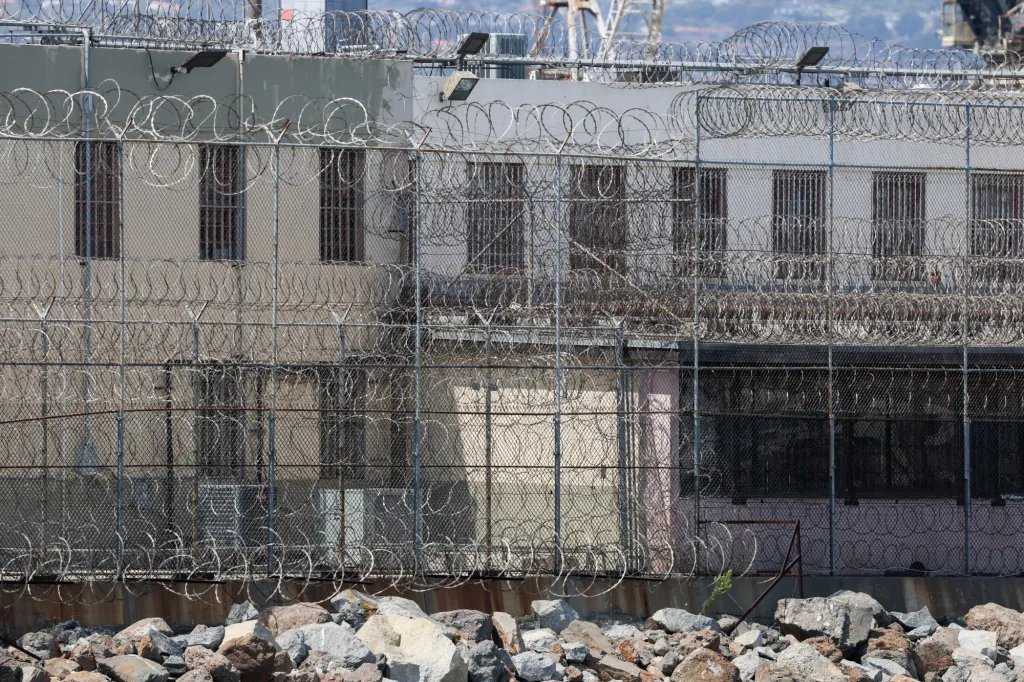
Closure of FCI Terminal Island: A Safety Concern for the Bureau of Prisons
The Federal Correctional Institution (FCI) Terminal Island, a low-security prison with a storied past, is closing amid escalating concerns about its deteriorating infrastructure. This historic facility, located near the Port of Los Angeles, has been home to notorious inmates like Al Capone and Charles Manson, but now falls victim to serious safety issues, including crumbling concrete that endangers both staff and inmates. The Bureau of Prisons’ decision reflects a broader struggle within the agency, dealing with aging facilities, severe staff shortages, and a massive repair backlog.
Infrastructure and Safety Issues Prompt Closure
Director William K. Marshall III announced the closure of FCI Terminal Island, stating that the decision was not easy but imperative for safety. He pointed out significant structural concerns involving the prison’s underground tunnels, which are essential for heating. The deterioration of these tunnels has led to fears of concrete debris falling and possibly jeopardizing the heating systems and the lives of those inside the facility. Marshall emphasized the agency’s commitment to preemptively addressing safety hazards rather than waiting for a crisis to occur.
Historical Background of Terminal Island
Established in 1938, FCI Terminal Island has undergone numerous transformations over its lifetime. Initially housing both male and female inmates, the facility became solely male in 1977 due to overcrowding. Over the decades, it has seen a variety of infamous inmates, from gangster Al Capone to LSD guru Timothy Leary. However, the prison has also been characterized by significant escape attempts during the 1970s and a major corruption scandal in the early 1980s that led to the indictment of several high-ranking officials.
Challenges Faced by the Bureau of Prisons
The closure of Terminal Island is part of a broader trend affecting the Bureau of Prisons, which is grappling with chronic understaffing and financial constraints. The agency oversees more than 155,000 inmates across 122 institutions, but its dwindling resources and aging facilities demand urgent attention. An architectural firm recently estimated that over $110 million in repairs are needed for Terminal Island alone in the next 20 years, highlighting a critical repair backlog of $3 billion across the Bureau.
Recent Developments and Future Plans
In an official statement, Bureau of Prisons spokesperson Randilee Giamusso confirmed that immediate measures are being taken to safeguard both staff and inmates. Relocation plans for the nearly 1,000 inmates currently housed at Terminal Island are underway, prioritizing their transfer to prisons closer to their expected release locations. The future of Terminal Island will be reassessed after a thorough investigation into the facility’s condition.
Broader Implications for the Correctional System
The closure of FCI Terminal Island is emblematic of the larger issues plaguing the Bureau of Prisons. With systemic problems such as rampant staff shortages, a crumbling infrastructure, and allegations of misconduct, the agency is at a crossroads. Marshall’s recent cancellation of the collective bargaining agreement with prison workers, aiming to streamline operations, has provoked backlash from labor unions. Furthermore, recent incidents of significant escapades and the flow of contraband items within facilities raise pressing questions about the future of correctional institutions in the United States.
In conclusion, the closure of FCI Terminal Island underscores urgent concerns regarding inmate and staff safety while also spotlighting the Bureau of Prisons’ struggles with aging facilities and staffing challenges. As changes unfold, the focus must remain on implementing crucial reforms to ensure a safer, more efficient correctional system.
This article is based on reporting from www.ocregister.com.
The original version of the story can be found on their website.
Original Source:
www.ocregister.com
Image Credit: www.ocregister.com ·
View image