


U.S. Flight Delays and Cancellations Amid Government Shutdown: An Overview
As the federal government shutdown continues, air travel in the United States is facing significant disruptions. The U.S. Department of Transportation (DOT) has reported that flight delays and cancellations are increasing due to workers’ refusal to report for duty without pay. Air traffic controllers, classified as essential personnel, are particularly affected, leading to growing staffing shortages that strain the air traffic control system. This situation raises serious concerns for travelers and the aviation industry at large.
Impact of the Government Shutdown on Air Traffic Control
The ongoing government shutdown has led to air traffic controllers skipping work since they have not received paychecks for nearly a month. In light of this financial strain, some controllers have resorted to taking second jobs or calling in sick, significantly inflating existing staffing shortages. According to officials from the National Air Traffic Controllers Association, these actions are having immediate repercussions on the efficiency and safety of flight operations across the nation.
Federal Response to Staffing Shortages
In response to these staffing issues, U.S. Transportation Secretary Sean Duffy announced measures aimed at alleviating the strain on the air traffic system. Starting Wednesday, capacity will be reduced at 40 high-volume airports across the country. This reduction is critical not only to manage existing flight operations but also to ensure the safety of both passengers and crew during this unprecedented time. The DOT’s strategic actions signal the severity of the staffing crisis and the need for immediate solutions.
Flight Capacity Reductions Explained
According to a statement released by the DOT, flight capacity at the impacted airports is set to be cut significantly. A phased approach to capacity reduction will see a 4% decrease through Monday, a 6% reduction on Tuesday, an 8% cut on Thursday, and a 10% cut by the following Friday. These measures are designed to stabilize the situation, but they are likely to cause widespread cancellations and delays. Travelers should remain vigilant and informed about their flight statuses and potential disruptions.
Statistics on Recent Flight Disruptions
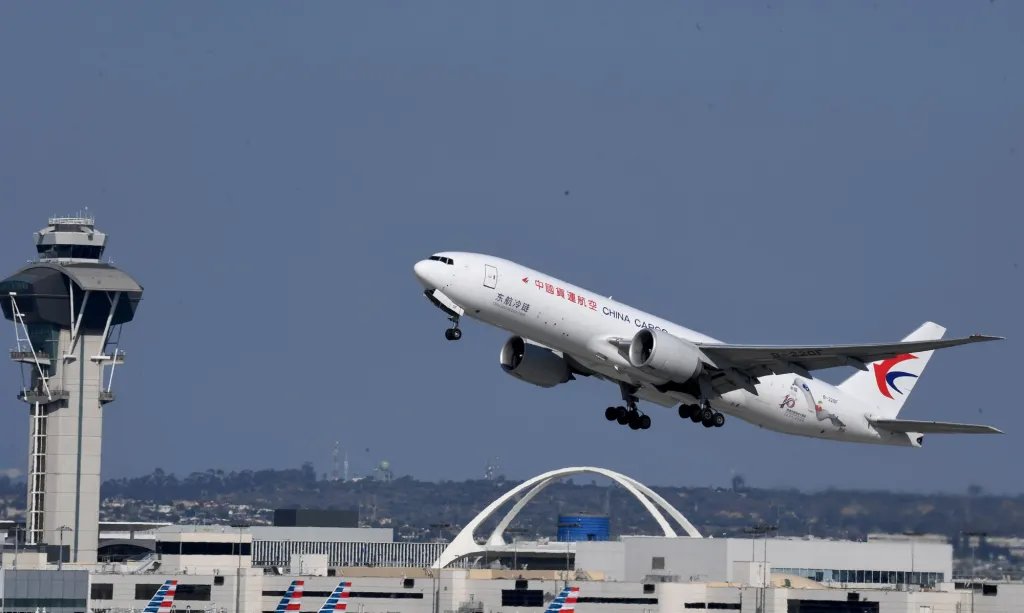
As of Sunday evening, the impact of the flight capacity cuts was clearly evident. At Los Angeles International Airport (LAX), 94 outbound flights had been canceled since Friday, with a staggering 40 cancellations occurring on Sunday alone. Other airports, including Hollywood Burbank, John Wayne, Long Beach, and Ontario International, also recorded multiple cancellations. Nationwide, approximately 8,651 flights were delayed, while 2,954 flights were canceled on Sunday. This alarming data reflects the crisis at hand and the urgent need for comprehensive solutions.
Broader Implications and Safety Measures
To further address the current challenges, the Federal Aviation Administration (FAA) has imposed additional restrictions, which include limiting commercial space launches and re-entries to specific hours (10 p.m. to 6 a.m.). In addition, para-jumping operations and aerial photography missions near the affected airports are prohibited. While airfields not listed among the 40 high-volume airports could still feel the ripple effect, the immediate concern remains on those facing direct capacity cuts, particularly in Los Angeles, San Diego, and Ontario.
Conclusion
In summary, the ongoing federal government shutdown is significantly affecting air travel in the United States, leading to widespread flight delays and cancellations. The strain on air traffic controllers is evident, prompting federal agencies to implement capacity reductions and additional safety measures. Travelers should stay informed and prepared for potential disruptions over the coming weeks. The situation underscores the importance of contingency planning and the critical role that air traffic controllers play in maintaining the safety and efficiency of national air travel.
This article is based on reporting from www.ocregister.com.
The original version of the story can be found on their website.
Original Source:
www.ocregister.com
Image Credit: www.ocregister.com ·
View image