


Understanding Green Markings and Disabled Parking Enforcement in California: Your Guide to Road Safety
When navigating the streets of Laguna Niguel and other cities in California, you’re likely to encounter a range of road markings, each serving a unique purpose to enhance safety and facilitate traffic flow. Among the more recent additions are the distinctive green markings found in certain right-hand turn lanes. If you’ve ever wondered about their significance, you’re not alone. This guide sheds light on their implications for both motorists and cyclists, as well as offering insights into the enforcement of disabled parking regulations.
The Significance of Green Markings
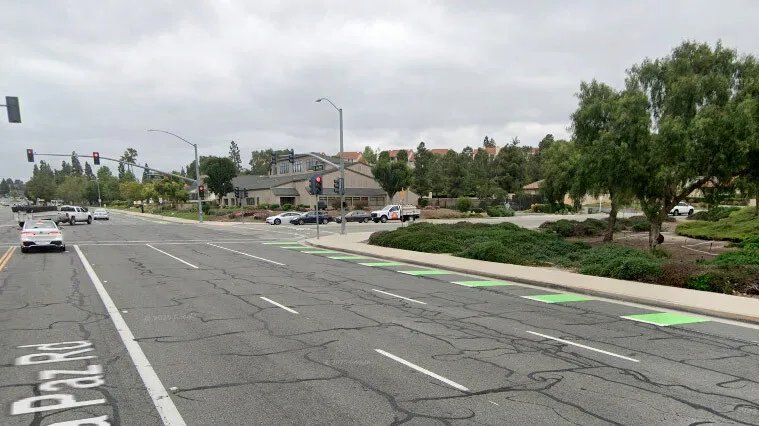
In many cities, including Laguna Niguel, the appearance of solid green markings—akin to a series of rectangles—has garnered attention. These markings are designed primarily for the safety of bicyclists. They delineate areas where motor vehicles and cyclists share the roadway, particularly at points where vehicles need to cross bike lanes to make turns. According to Jacki Scott, Laguna Niguel’s public works director, these green zones grab the attention of all road users, ensuring they’re aware of shared spaces. The city’s introduction of these markings reflects an ongoing commitment to safety and encourages municipalities to make similar upgrades.
Promoting Shared Roadways
The need for such a traffic management tool arises from the reality of mixed traffic environments. As urban areas expand, the integration of bike lanes into existing roadways becomes critical for ensuring cyclist safety. The green markings act as visual cues that highlight these shared spaces, urging motorists to remain vigilant while navigating intersections. This dual approach not only enhances awareness among drivers but also accommodates the growing number of cyclists on the roads. As more cities adopt these technologies, the hope is to reduce the number of accidents involving cyclists, thereby making urban travel safer for everyone.
Challenges in Enforcement of Disabled Parking
While road safety features like green markings aim to protect vulnerable users like cyclists, enforcement of disabled parking regulations presents its own set of challenges. Many individuals, such as Bob Herrmann from Rancho Mission Viejo, express concerns over the lack of enforcement regarding disabled parking placards. The perception that individuals often misuse these permits raises questions about the effectiveness of monitoring and enforcement by local agencies.
Understanding Enforcement Protocols
Although there are no comprehensive statistics available about disabled placard violations, law enforcement personnel have indicated that they can act if there’s reasonable suspicion of misuse. According to traffic Sgt. Kyle Ishii from the Orange County Sheriff’s Department, officers can investigate individuals suspected of abusing handicapped parking regulations. However, this practice isn’t commonly exercised due to the sensitive nature of disabilities. Most of the time, officers take a more casual approach, asking questions to determine the legitimacy of a placard’s use.
The Importance of Community Awareness
With road safety measures and legal enforcement in place, a collaborative effort from the community is crucial to maximize effectiveness. Public awareness campaigns can greatly influence the proper usage of disabled parking spaces. In light of this, communities are encouraged to foster a culture of accountability and respect. Programs and initiatives that emphasize the importance of compliance can help mitigate the growing frustration among individuals who genuinely require these parking accommodations.
Conclusion: Ensuring Safer Streets for All
In a rapidly evolving urban landscape, understanding the implications of road markings and enforcement protocols is essential for both drivers and cyclists. As cities like Laguna Niguel continue to implement measures like green markings, the aim remains clear: create safer roadways for everyone. Moreover, addressing concerns regarding disabled parking placards through community engagement and law enforcement can further enhance public trust and ensure that essential resources remain available for those in genuine need. As we navigate the roads ahead, staying informed and engaged is paramount for the collective safety of our communities.
Whether it involves understanding green markings or advocating for fair enforcement of parking laws, every road user plays a critical role in creating a safer environment for all.
This article is based on reporting from www.ocregister.com.
The original version of the story can be found on their website.
Original Source:
www.ocregister.com
Image Credit: www.ocregister.com ·
View image