





Urgent Call for Action: Addressing Incompetent Criminal Defendants in Orange County
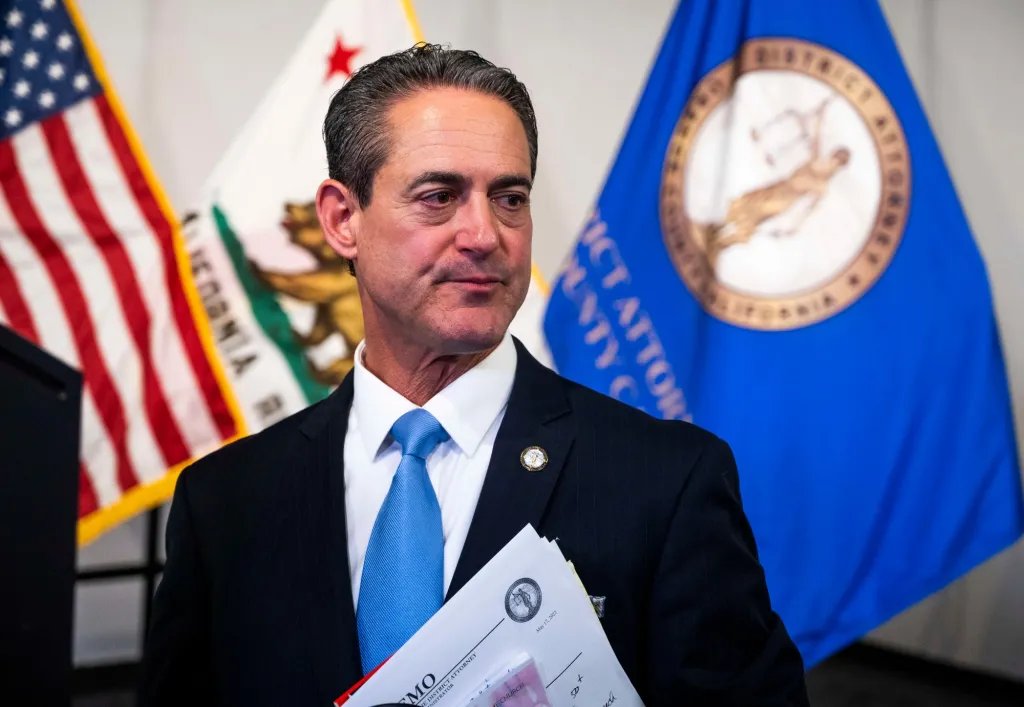
In a stark warning to local leaders and the community, Orange County District Attorney Todd Spitzer has highlighted a pressing issue: a dozen criminal defendants classified as incompetent to stand trial may be released into the community by January 2026 if appropriate secure facilities are not found. This alarming situation arises from California’s legal framework that mandates individuals deemed incompetent must receive treatment in state or secure mental health facilities. However, with the deadline looming, Orange County officials face mounting pressure to find suitable solutions before potentially dangerous individuals are released back into the public.
Recent Developments and Community Reactions
In an effort to address immediate concerns, a two-week extension has been granted for two defendants who were scheduled for hearings, allowing county officials more time to explore options for secure placement. Among those affected are individuals charged with serious crimes, including murder and sexual assault. Their potential release fuels fears among community members and victims’ families, who worry about public safety and the adequacy of mental health care in dealing with such cases.
As Spitzer pointedly remarked, “As a result, the District Attorney has no further say in protecting the public in these cases.” The urgency for action is compounded by an apparent lack of preparedness by the County of Orange, which has been warned multiple times about the impending crisis. Spitzer characterized the failure to secure treatment facilities as "unacceptable," urging the county’s Board of Supervisors to convene a special meeting to address the growing concern.
Accountability and Funding Issues
Spitzer’s statements have also put Governor Gavin Newsom and state leaders in the spotlight, accusing them of failing to provide sufficient mental health resources. However, Newsom’s office pushed back, arguing that Orange County has received significant state funding aimed at improving mental health and homelessness services. They emphasized the importance of accountability among local leaders for not utilizing the available resources effectively.
The Orange County Health Care Agency (OCHCA) has acknowledged the multifaceted nature of conservatorship processes, which involve various entities, including the court system, public defenders, and the Public Guardians Office. OCHCA Director Veronica Kelley highlighted that Orange County has 11 contracts for long-term locked treatment facilities, but the waiting list for placements remains lengthy, exacerbating the crisis.
Legislative Challenges
Further complicating the situation is California Senate Bill 1323, which has altered the timelines for determining eligibility for conservatorship. The legislation has reduced the investigation period from 90 days to just 30 days, which, according to Kelley, has made it increasingly challenging to find appropriate locked treatment facilities. Consequently, the existing statewide infrastructure lacks the capacity to support these rapid changes effectively, leaving vulnerable individuals without necessary treatment.
While OCHCA maintains that every effort is being made to secure appropriate placements for individuals with serious mental health issues and criminal pasts, the system’s inadequacies remain a pressing concern. The complexity of the process only adds to the dilemma, as officials continue to navigate a path to ensure both treatment and community safety.
Victim Advocacy and Public Sentiment
Voice of the community has also echoed concerns regarding the release of defendants who have committed violent acts. Victims’ families have publicly expressed their fears about potentially dangerous individuals being given another chance on the streets. Kelli Casey, whose brother was murdered, strongly advocated against the release of his alleged killer, signaling a broader sentiment of fear and frustration among those impacted by violent crime. Similarly, another victim’s relative voiced concerns over the possibility of their loved one being harmed if offenders are allowed to walk free.
In response to these real fears, Spitzer has emphasized the urgency of the situation, declaring, “Time is not on our side.” He cautioned that each moment passing brings communities closer to jeopardized public safety, underscoring the need for swift action from county leaders.
Collaborative Efforts Toward Solutions
In light of these pressing challenges, Orange County officials are actively working toward viable solutions. Supervisor Katrina Foley acknowledged that the county has successfully placed 23 individuals into suitable treatment facilities recently, but notes that the shortage of state-licensed treatment options continues to be a barrier. She emphasized the collective goal of finding sustainable long-term solutions and urged state authorities to increase the availability of secure mental health treatment beds.
Similarly, Second District Supervisor Vicente Sarmiento echoed the need for appropriate placements that respect individual rights while ensuring community protection. The collaborative efforts between the County, OCHCA, and state officials aim to navigate this complex landscape efficiently, striving for a balance between treatment for the mentally ill and the safety of the public.
Conclusion
As Orange County grapples with the possible release of criminal defendants deemed incompetent to stand trial, the challenges ahead require focused attention and urgency from local and state leaders alike. The intersection of mental health, public safety, and legal frameworks presents a multifaceted problem that demands collaborative action. With the clock ticking and community safety at stake, it is imperative that effective, long-term solutions are established to address the issue of inadequate treatment facilities and ensure that those who have committed serious crimes receive the care they need, while keeping the community safe from potential harm. Time will tell if these efforts will lead to meaningful change, but the responsibility lies with leaders and stakeholders who must step up in a time of crisis.
This article is based on reporting from www.ocregister.com.
The original version of the story can be found on their website.
Original Source:
www.ocregister.com
Image Credit: www.ocregister.com ·
View image