





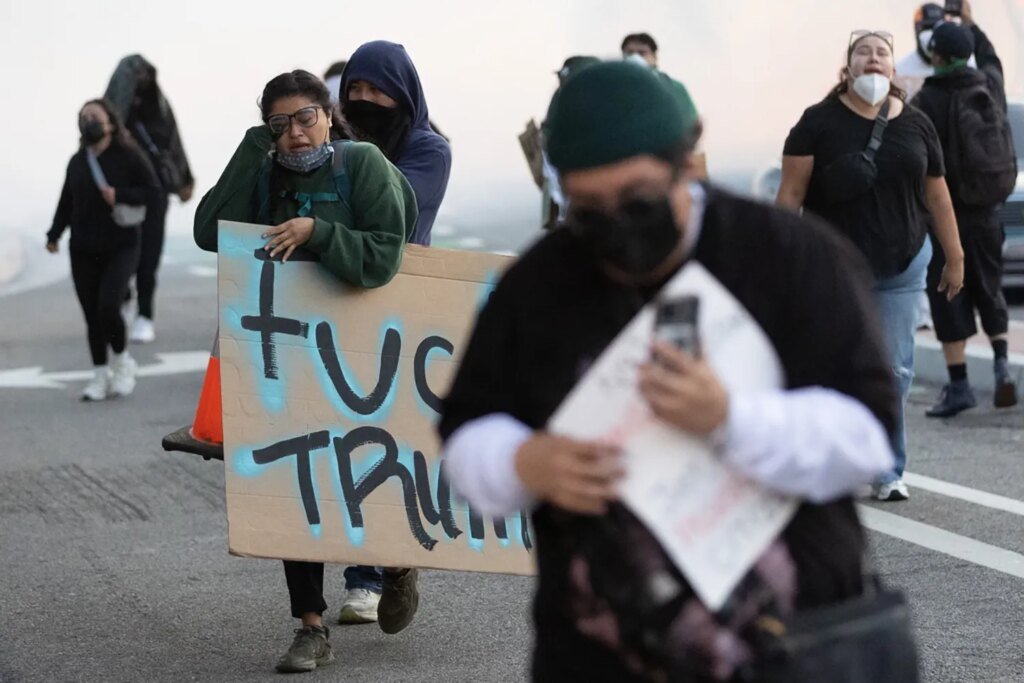
Overview of Santa Ana Protests Against ICE and the Police Response
In the summer of 2025, Santa Ana, California emerged as a focal point for protests against Immigration and Customs Enforcement (ICE) during a period marked by widespread deportations. As the only sanctuary city in Orange County, Santa Ana saw demonstrators voicing their concerns about federal actions amidst a troubled national immigration policy climate. The response by Santa Ana police, however, raised serious concerns among residents, with reports indicating the use of over 300 rubber bullets and tear gas against peaceful protesters over just four days.
Community Concerns and Excessive Force Allegations
Santa Ana residents expressed outrage over the police’s aggressive tactics during the protests, which resulted in significant injuries to demonstrators and community members. City Councilman Ben Vazquez, who participated in the protests, firmly stated that the police unnecessarily escalated tensions, suggesting that firing rubber bullets and deploying tear gas were excessive reactions to what he described as “simple protests.” This sentiment resonates with many community leaders and activists who have since called for accountability and clearer communication regarding police protocols.
Official Responses and Accountability Measures
In an official report, Santa Ana Police Chief Robert Rodriguez maintained that the police department acted within legal boundaries and adhered to operational plans aimed at managing public safety while respecting First Amendment rights. The report, however, lacked detailed insights into the operational decisions made during incidents of heightened force. The city’s reaction to the protests and the financial burden of nearly $400,000 for the police response have sparked debates about the efficacy and appropriateness of such measures as local officials grapple with balancing community safety and fiscal responsibilities.
The City Council’s Decision-Making Dilemma
During subsequent City Council meetings, discussions about the police’s handling of protests were muddled by disagreements among council members about the need for a public hearing. While Vazquez advocated for an in-depth examination of the police response, other members hesitated, leading to confusion on the dais about how to proceed. Ultimately, the lack of a formal vote left the matter unresolved, and the forthcoming report was scheduled to be discussed quietly on a consent calendar, limiting public engagement and transparency.
The Public’s Demand for Transparency
Following the protests, significant public outcry led many residents to attend City Council meetings, demanding a thorough review of police conduct and accountability. Despite these demands for transparency and thorough oversight, city officials failed to adequately address the community concerns. The anticipated report from the police oversight commission was seen as a missed opportunity for a detailed investigation, especially as the community sought to better understand the choices made during the protests.
Budget Constraints Amidst Community Unrest
As financial pressures mount on the city, with an expected $19 million budget deficit, the debate over police funding versus community investment continues to intensify. Residents may be confronted with a vote to extend a tax increase, revealing deeper issues regarding resource allocation in Santa Ana—especially in a context where the police union plays a significant role in local elections. The upcoming discussions about budget priorities must take into account the voices of residents who advocate for a more just and equitable approach to policing and community engagement.
By juxtaposing the community’s concerns with the official narratives and budgetary challenges, Santa Ana stands as a case study in the ongoing conversation about policing in America. As the fallout from last summer’s protests continues to unfold, one thing is clear: transparency, accountability, and community voices must guide future actions in public safety reform.
This article is based on reporting from voiceofoc.org.
The original version of the story can be found on their website.
Original Source:
voiceofoc.org
Image Credit: voiceofoc.org ·
View image