





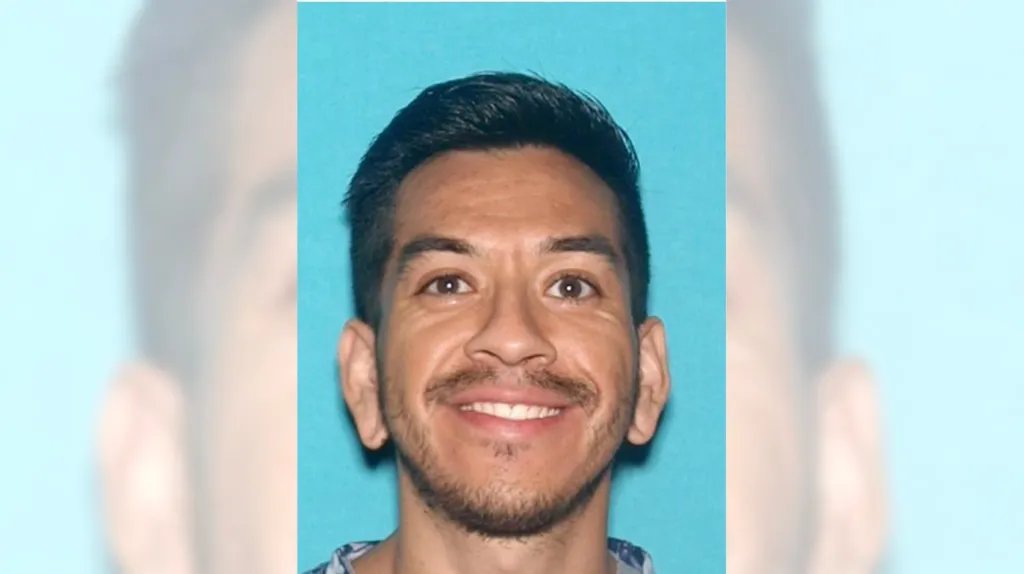
The Threatening Case of Byrom Zuniga Sanchez: A Herald of Danger in Family Law Courts
In a recent trial in Santa Ana, Byrom Zuniga Sanchez, a 33-year-old from Laguna Niguel, is facing serious charges for sending threatening emails to an Orange County Superior Court judge. This situation arose amid a highly contentious custody battle over his young son. The trial has brought to light the serious nature of these threats, particularly as they were delivered after the judge’s court decisions in a Family Law dispute. As claims of domestic violence and other alarming behaviors come to the fore, this case demonstrates the urgent need for awareness and preventive measures in court environments.
The Nature of the Threats
During testimony, Sheriff’s Sgt. Gene Minko described the chilling moment when the judge read the emails. Minko observed “the look of fear” on her face, emphasizing that she not only feared for her own safety but also for the safety of her children. The forwarded communication included explicitly threatening language, stating intentions to harm not just the presiding judge but also other court officials. Such revelations reinforce the gravity of threats posed in emotionally charged legal disputes, indicating a shift from verbal confrontations to potential violent actions.
Increased Security Measures
In light of the threats, the Orange County Sheriff’s Department took unprecedented actions to ensure the safety of court personnel and the surrounding community. Authorities implemented increased patrols and established an undercover apprehension team at the courthouse. This proactive approach highlights an essential facet of public safety and the mechanisms law enforcement must employ when threats become credible. The department also coordinated with local schools to secure the safety of students, further demonstrating the widespread implications of such threats.
The Alarming Content of the Emails
The emails sent by Zuniga Sanchez articulated an overt willingness to commit acts of violence, using alarming phrases like “You’re already dead” and “I will dedicate my life to assassinating judges.” His posts on social media further underscored his intent, as he taunted law enforcement while citing both the First and Second Amendments to justify his horrific views. Minko clarified that there was “no ambiguity at all” in the messages, displaying a clear line between legal discourse and inciting violence. Such communications undoubtedly pose significant ethical and legal questions about the responsibility of individuals in family law disputes.
A History of Legal Troubles
Zuniga Sanchez’s history of encounters with law enforcement illustrates a worrying trend of aggressive behavior. With multiple domestic violence protective orders and warrants for various criminal offenses, including invasion of privacy and violating court orders, his reappearance in court raises critical concerns about monitoring individuals involved in high-stakes custody disputes. As family law cases trigger emotional turmoil, the judiciary and law enforcement systems must evaluate how they can better protect individuals and families facing violent threats.
Courtroom Dynamics and Representing Oneself
Amid the unfolding events, Zuniga Sanchez is representing himself at the trial, an unusual choice that can complicate matters in legal cases, especially ones involving potential violence. His classification of the threatening posts as “trolling” raises questions about the understanding of the serious nature of his actions. This scenario highlights the importance of informed legal representation, particularly in cases involving mental health concerns, custody disputes, and threats to safety. The judicial system must also consider the implications of allowing individuals with a history of violence the autonomy to represent themselves.
The Need for Preventive Measures and Awareness
As the trial continues, it serves as a stark reminder of the necessity for enhanced preventive measures in the judicial system—especially in family law courts where emotions often run high. The testimony from Sheriff’s Sgt. Minko accentuates not just the immediate dangers posed by individuals like Zuniga Sanchez but also the broader implications regarding safety protocols in judicial proceedings. In a world where the likelihood of escalating conflict exists in family law matters, the adoption of comprehensive safety measures, heightened awareness, and systemic support for families may alleviate some of the tensions inherent in these disputes.
In conclusion, the Zuniga Sanchez case exemplifies the profound risks associated with custody disputes that can turn violent. It underscores the imperative for a systematic approach to safeguarding court environments and ensuring that the legal system remains a place of justice rather than a stage for threats and intimidation.
This article is based on reporting from www.ocregister.com.
The original version of the story can be found on their website.
Original Source:
www.ocregister.com
Image Credit: www.ocregister.com ·
View image