





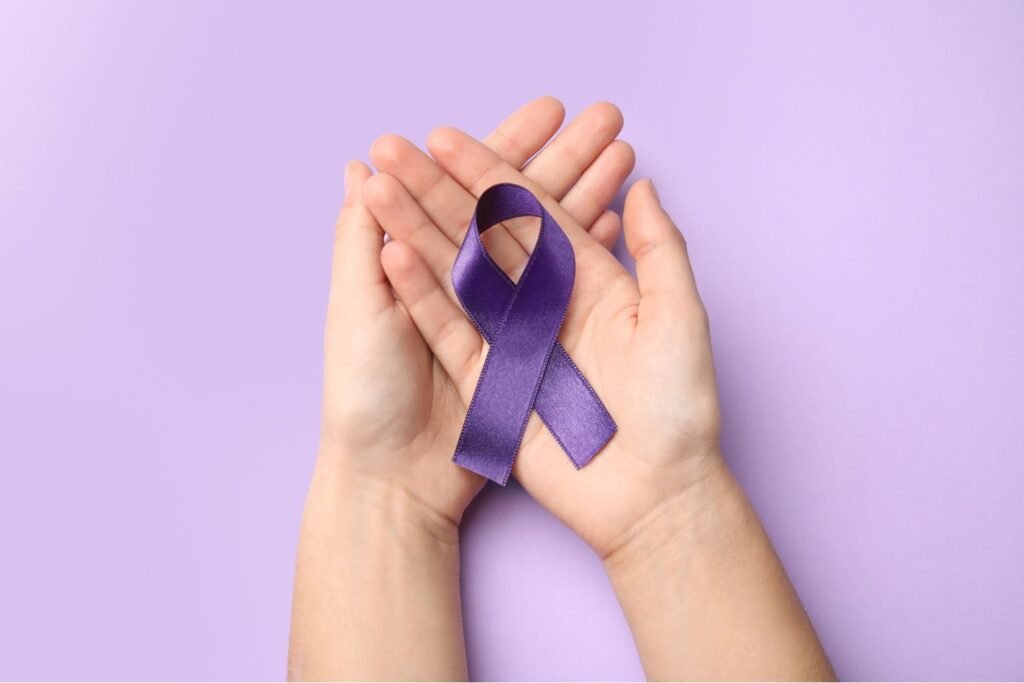
Understanding Intimate Partner Violence During Women’s Health Awareness Month
May marks Women’s Health Awareness Month, prompting a deeper examination of health issues specifically affecting women. At Families Together of Orange County (FTOC), we emphasize the importance of addressing both physical and mental health, with a particular focus on the critical issue of intimate partner violence (IPV). This pervasive problem has far-reaching impacts on women’s overall well-being, making awareness essential in fostering supportive communities.
What Is Intimate Partner Violence?
Intimate partner violence (IPV) is defined as a pattern of controlling or aggressive behavior by one partner towards another in a romantic relationship. Often conflated with domestic violence (DV), IPV constitutes various forms of abuse—including physical, sexual, emotional, and financial—that aim to exert power over another individual. According to the Centers for Disease Control and Prevention (CDC), approximately 1 in 3 women experiences IPV during their lifetimes, with evidence suggesting many cases go unreported. Women from lower socio-economic backgrounds experience higher rates of IPV, underscoring the importance of comprehensive awareness and support systems to combat this critical public health concern.
Types of Intimate Partner Violence
IPV encompasses multiple forms of abuse. It is crucial to recognize these to effectively identify and address the issue. Physical abuse includes actions such as hitting, slapping, or any attempt to inflict harm. Sexual abuse can involve coercion in sexual activities, extending to reproductive coercion. Emotional or verbal abuse manifests through behaviors like gaslighting, excessive criticism, and name-calling. Moreover, financial abuse prevents individuals from having access to money, harming their autonomy. Understanding these various forms of IPV is fundamental to raising awareness and aiding those affected.
The Cycle of IPV
IPV often follows a cyclical pattern that complicates the path to escaping abusive environments. The cycle starts with a "honeymoon" stage, where the abuser may engage in love-bombing, creating an illusion of safety and affection. This is succeeded by a tension-building phase, characterized by increased irritability and emotional distance from the abuser. Finally, the cycle culminates in the violence stage, where aggressive behavior escalates. This cycle tends to shorten over time, with the honeymoon phase often diminishing entirely, leaving victims trapped in a cycle of tension and abuse. Recognizing this cycle is vital for understanding the challenges victims face in seeking help.
How IPV Affects Physical and Mental Health
The repercussions of IPV extend beyond immediate physical harm, significantly affecting mental health as well. Survivors of IPV may experience ailments such as chronic pain, sleep disturbances, and gastrointestinal issues. Vulnerable populations, particularly pregnant women, face additional risks, including adverse pregnancy outcomes linked to IPV. Mental health implications are profound, with survivors often battling anxiety, depression, and PTSD. The isolating behaviors typical of abusers further exacerbate these issues by cutting victims off from supportive social networks and healthcare resources.
How FTOC Can Help
To combat IPV effectively, healthcare providers need to be equipped to identify and address its manifestations. At FTOC, our medical staff are trained to recognize the signs of IPV and offer compassionate, confidential support. Patients can speak freely, as we ensure that interactions with partners who may inflict harm are managed with sensitivity. Our services range from primary care to behavioral health, enabling us to provide holistic support. Specifically, our trained therapists work with individuals to create safety plans, an integral part of leaving an abusive relationship, as risk tends to increase during that transition.
Supporting Those Experiencing IPV
If you know someone experiencing IPV, your support can make a world of difference. Approach them in a private, safe space and remind them that the abuse is not their fault. Listen without judgment and encourage them to seek professional help, providing resources when possible. Empowering individuals to break the silence surrounding IPV is crucial. If you or someone you know is in danger, don’t hesitate to reach out to the National Domestic Violence Hotline at 1-800-799-7233. Raising awareness not only helps those affected but fosters healthier communities overall.
By increasing awareness of IPV during Women’s Health Awareness Month, we advocate for the health and safety of women everywhere. Each of us can play a part in this vital mission by understanding, supporting, and assisting those in need of help. Together, we can create an environment that prioritizes safety, healing, and empowerment.
This article is based on reporting from familiestogetheroc.org.
The original version of the story can be found on their website.
Original Source:
familiestogetheroc.org
Image Credit: familiestogetheroc.org ·
View image