





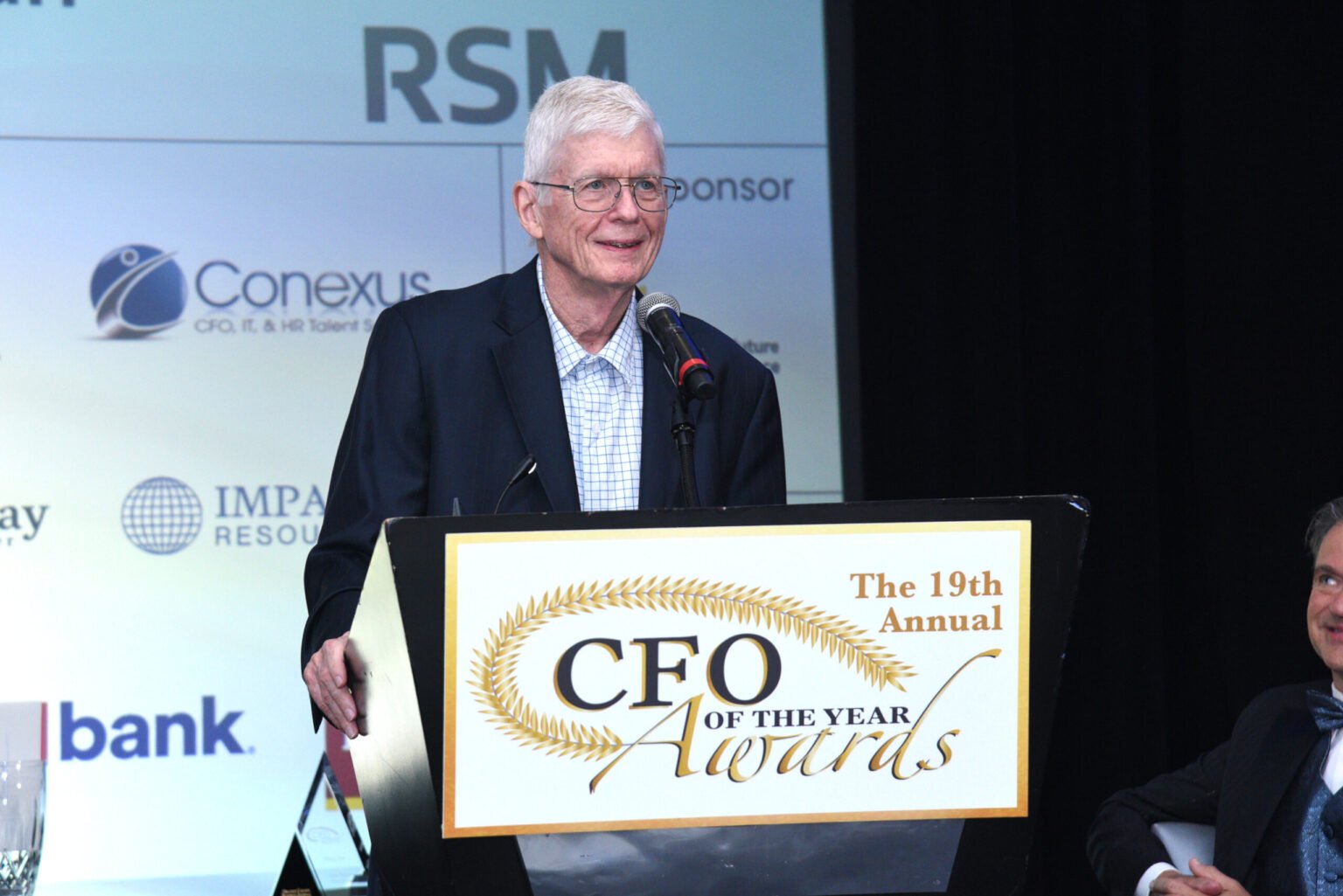
From Corporate to Compassion: Larry Gwilt’s Impact in Nonprofit Finance
Larry Gwilt is a remarkable figure with a career that spans over 35 years in corporate accounting before making the significant transition to nonprofit organizations. His journey began when the moving company he had served as the West Coast regional finance director relocated operations back to Florida, prompting Gwilt to seek new employment opportunities. This quest led to an unexpected phone call from his wife, Kathy, who was working on an interim assignment with the Orange County Rescue Mission (OCRM), a faith-based provider of homeless and rehabilitation services. Kathy needed assistance with finances, which prompted Gwilt to step in, initially believing his role would be temporary. Ten years later, he finds fulfillment as the Chief Financial Officer for both OCRM and the Hurtt Family Health Clinic (HFHC), managing the financial operations of over 250 staff members.
Under Gwilt’s strategic leadership, the Hurtt Family Health Clinic underwent a remarkable transformation. Previously losing approximately $800,000 monthly, the clinic has not only stabilized but has also extended its operations by establishing two new facilities with potential plans for additional acquisitions. Gwilt emphasizes the essential infrastructure now available, which supports the clinic’s continued growth, showcasing the power of effective financial management in nonprofit settings. His accomplishments did not go unnoticed, culminating in a Business Journal CFO of the Year Award in the not-for-profit organization category in May. This recognition is a testament to his impactful stewardship and commitment to enhancing the financial health of both organizations.
One of the most significant aspects of Gwilt’s work is the mission of the Orange County Rescue Mission, which aims to break the cycle of homelessness. Individuals seeking assistance are often survivors of abuse, addiction, or prior homelessness, and the program provides a structured environment lasting 18 to 24 months. Referred to as "students," participants range from those who have struggled to maintain employment due to unstable housing to former professionals facing unforeseen hardships. Students receive essential services such as housing and valuable skills training, engaging in tasks across various settings like the warehouse, kitchen, or even a 33-acre ranch in Silverado Canyon where they learn to care for animals. Gwilt’s vision for these students revolves around empowerment, aiming to foster independence and sustainable employment, with an impressive 85% graduation rate reporting stable jobs and housing.
Graduation from the program is structured around financial accountability, requiring students to save a designated amount of money to facilitate their transition into stable housing. The nonprofit also maintains an alumni program to support and hold graduates accountable in their recovery journeys. While some may relapses back into addiction, OCRM welcomes them to re-enter the program, emphasizing compassion and understanding in the face of life’s challenges. Gwilt stresses the importance of creating a nurturing and supportive environment that prepares individuals for long-term success outside the program.
Contrary to some perceptions, Gwilt notes that running a nonprofit can involve similar financial pressures and considerations as a for-profit company. The primary difference lies in the operational funding sources; OCRM relies heavily on private donations and volunteers, while HFHC benefits from federal funding. This unique dynamic entails rigorous reporting and accountability measures, particularly regarding federal grants. The clinic serves a diverse population, with an estimated 10% of patients being uninsured and 80% covered by Medi-Cal, ensuring care for all, regardless of their ability to pay. Gwilt remains proactive in navigating the complexities of funding, fighting for fair reimbursements that reflect the rising costs of patient care.
In 2023, HFHC welcomed a new chief executive, L. Jina Lawler, who brought extensive industry experience specializing in healthcare. Gwilt recognizes the importance of leadership in driving organizational success, noting that Lawler’s insights are invaluable, especially in addressing challenges related to Medi-Cal funding. As a result, the clinic is carefully allocating funds in preparation for upcoming changes, striving to ensure sustainability and enhanced service delivery in the future. Gwilt’s collaborative approach and adept financial management have positioned both HFHC and OCRM for continued growth and success, further solidifying their essential roles within the community.
Overall, Larry Gwilt’s journey from corporate accounting to nonprofit leadership serves as an inspiring testament to the transformative power of effective financial stewardship. His commitment to helping individuals overcome obstacles through OCRM and HFHC reveals not just a change in career, but a deep-seated passion for lifting others and optimizing resources for the greater good. As he continues to lead and innovate within these organizations, the impact of his leadership is bound to resonate in the community for years to come.
This article is based on reporting from www.ocbj.com.
The original version of the story can be found on their website.
Original Source:
www.ocbj.com
Image Credit: www.ocbj.com ·
View image