





Costa Mesa Residents Might be Seeing Citywide Park Improvements
As the sun kisses the sprawling grounds of Moon Park, laughter mingles with the cries of seagulls soaring overhead. Yet, the joy of a playground beckons fewer families, as the park’s once vibrant swings hang still—victims of neglect and outdated equipment. This stark contrast serves as a poignant reminder of the urgent need for developmental rejuvenation in Costa Mesa’s parks, where a recent assessment unearthed the dire condition of public amenities.
A Call for Action
During a special meeting in late February, the Costa Mesa Parks and Community Services Commission gathered to scrutinize a comprehensive report analyzing city parks, revealing that many facilities have far exceeded their designated life expectancy. “Our playground structures are beyond that useful life stage,” commented Parks and Community Services Director Brian Gruner, emphasizing the necessities of maintenance and enhancement for safety and usability.
The findings are unsettling: of the city’s 32 parks and 38 playgrounds, 22 have been in operation for over 25 years, nearly doubling the average lifespan of playground equipment, which is typically 10 to 15 years. According to the Trust for Public Land, only 5% of Costa Mesa is designated as park land—substantially less than master-planned Irvine’s 28%—making the need for expansion and improvement even more crucial for community well-being.
Assessing the Landscape
The park assessment utilized a comprehensive categorization system, grading amenities from one to five based on conditions, with one indicating severe degradation. Parks like Geisler, Harper, Lindbergh, Raina View, and particularly Moon Park were highlighted for significant improvements. Moon Park alarmingly received one of the lowest ratings, prompting residents to voice concerns about its increasingly inhospitable environment.
- Age of Equipment: 22 playgrounds exceed their lifespan of 10-15 years.
- Park Land Percentage: Only 5% of Costa Mesa is dedicated to public parks.
- Priority for Upgrades: Parks were rated on a scale, with low scores indicating urgent need for renovations.
“Moon Park should be the park our family uses… Instead, my wife and kids avoid it entirely,” lamented resident Garrett Fulbright during the commission meeting. His sentiments echoed those of many residents frustrated by the park’s condition, which has become synonymous with dilapidation rather than recreation.
Community Voices
City officials recognize the pressing needs facing Costa Mesa’s parks. “Many parks throughout the city bear similar challenges,” explained Gruner. “Often, aging infrastructures exceed their intended lifespan.” As city leaders deliberate where to allocate future funding, the collective outcry from residents implores them to prioritize the rehabilitation of these pivotal communal spaces.
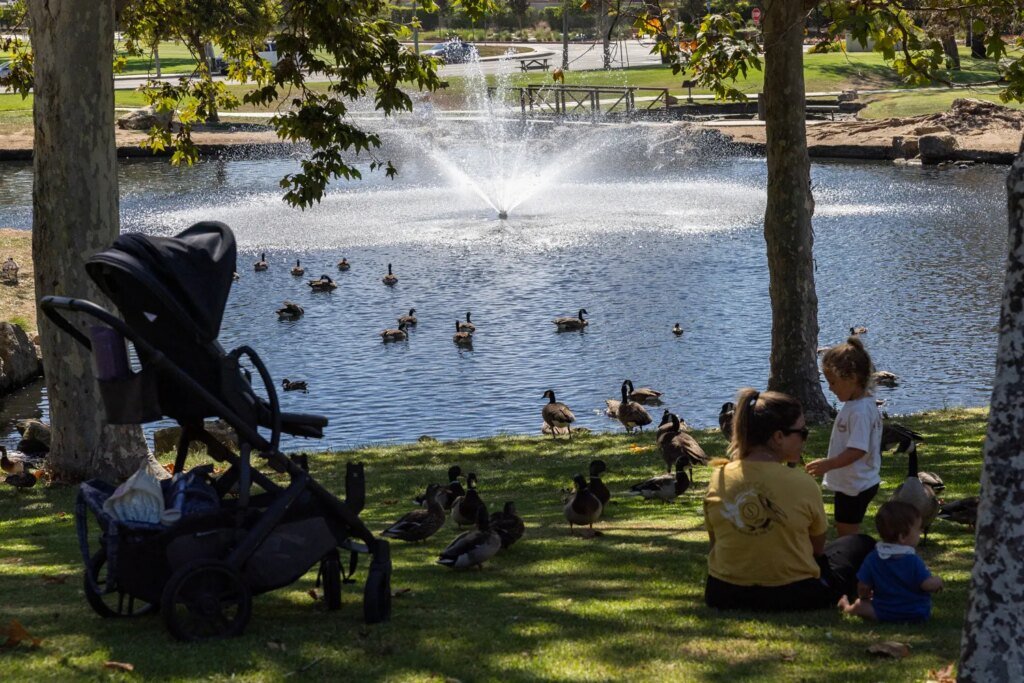
Yet, improvements are on the horizon. The city council recently voted unanimously to expand the Costa Mesa Skatepark, indicating a shift toward investing in recreational infrastructure. This move, coupled with a proposed $2.5 million renovation plan for the iconic lakes at TeWinkle Park, signals a burgeoning commitment to enhancing Costa Mesa’s outdoor environments.
A Vision for the Future
As city commissioners embark on tours of various parks to better understand specific improvement needs, community engagement strives to bridge the gap between local government initiatives and residents’ desires. “It’s not about aesthetics; it’s not about upgrades,” asserted a passionate resident at the meeting. “It’s about child safety, equity, and responsible public investment.”
Research supports this awakening urge for action. A hypothetical study conducted by the Local Initiatives Support Corporation found that investment in local parks correlates significantly with increased community cohesion and property values. “Investment in parks is not merely an expenditure; it is an investment in the community’s future,” stated urban planner Dr. Ellen Lipton, emphasizing the multifaceted benefits of public spaces.
By focusing on parks characterized by extreme neglect, city officials aim to rectify oversight and ensure broader equity in access to safe and engaging recreational facilities. “Sustainability and safety are paramount,” said Gruner. “Our residents deserve better.”
As Costa Mesa residents look forward to potential park renovations, optimism fills the air. The echoes of children playing amidst newly installed equipment and vibrant landscapes remain a distant but attainable dream. With rejuvenation on the city’s agenda, there is hope that Moon Park and its brethren will soon reclaim their roles as vital, thriving centers for community connection and joy.