


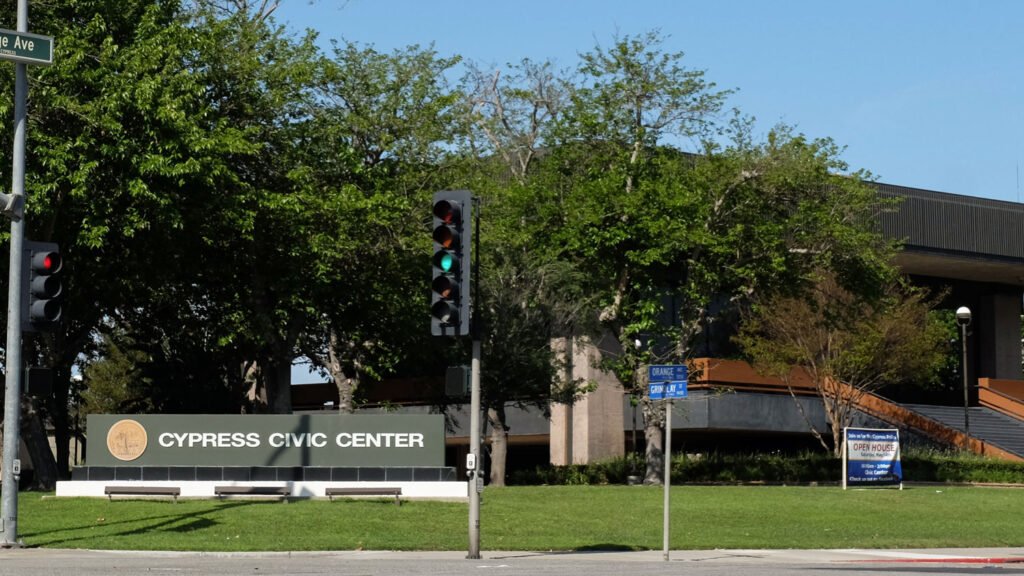
Cypress Once Again Grapples With City Council Vacancy After Appointee Withdraws
In a city where community engagement is a cornerstone of governance, the abrupt withdrawal of Quintin Bentley from the Cypress city council appointment process has stirred both surprise and concern among residents and officials alike. Just five days after being selected to fill the vacancy left by former councilman Scott Minikus, Bentley, a dedicated special education teacher and local commissioner, stepped back from the spotlight, leaving city leaders scrambling as the Nov. 30 deadline looms for appointing a new member.
The Unraveling of a Promising Appointment
Bentley’s selection was celebrated by many as a potential turning point for a council that had faced increasing scrutiny over its engagement with community voices. “I was optimistic about the perspective he could bring,” said Mayor David Burke in a phone interview. “He had a strong vision of collaboration with residents, which is essential for the future of Cypress.” Despite this, Bentley’s departure from the process raises questions about political engagement and accountability in local governance.
Official statements regarding Bentley’s withdrawal were sparse and lacking in clarity. In a Monday news release, city officials left the reasons unaddressed, sending ripples of speculation through the community. Bentley himself had stated in his application that he wished to foster a sense of inclusion and transparency, indicating a desire to prioritize civic engagement. “The future of Cypress depends on engaged, inclusive, and transparent leadership,” he wrote, expressing his vision for a collaborative decision-making model in city governance.
Understanding Community Sentiment
The sudden shift has not just left a vacancy; it has ignited conversations among residents about what kind of leadership they truly want. According to political analyst Dr. Angela Simmons, who specializes in community dynamics, “This incident is emblematic of broader issues in local governance where potential leaders often feel the weight of scrutiny and expectations before they even take office.” Analysis of similar cases in the past reveals a pattern where public dialogue can significantly shape candidates’ decisions to step down before assuming roles, particularly when they feel misaligned with community sentiment or leadership expectations.
- A breakdown of recent council appointment trends:
- Increased public interest as local governance becomes a topic of debate.
- Higher scrutiny on candidate backgrounds and motives.
- The impact of social media in shaping public opinion and candidate perception.
As residents of Cypress engage in a conversations about “who should represent us,” a palpable concern grows that relationships between government and the community may wane if a leader feels unsupported. As Mayor Burke aptly noted, “It’s a challenging environment for anyone stepping into local government these days.”
What’s Next for Cypress?
Looking ahead, Cypress officials will be convening for a special meeting to reassess their options. With Bentley’s candidacy at a standstill, the focus now turns to the other candidates who had also expressed interest in stepping into the vacant seat, such as former Councilmember Frances Marquez and former Mayor Anne Mallari. Burke’s optimism, however, is tempered by a recognition of the difficulties council members faced during their initial deliberations. “We had some challenging deliberations… at one point even considering a coin toss,” he explained, underscoring the contentious nature of the decision-making process.
As they weigh their options, the council must adhere to a tight timeline, with the potential to select a replacement during a meeting set for Nov. 28. Echoing Burke’s sentiments, Cypress community organizer Robert Lewis emphasized the importance of “considering community voices in every step of this process.” He highlighted that thoughtful leadership is not only about making decisions but also about nurturing trust between officials and residents.
The Bigger Picture: Local Governance and Civic Engagement
The withdrawal of Bentley should serve as a cautionary tale for other municipalities grappling with similar challenges. “Without active engagement from all parties, local governance can become fractured,” warned Dr. Simmons. “Studying how communities react to council dynamics is critical.” Research indicates that higher civic engagement correlates with more robust local governance, making it essential for city officials to prioritize dialogue in the wake of these developments.
Cypress stands at a crossroads—voters are no longer passive spectators, but rather active participants in shaping their destiny. Bentley’s withdrawal may have illuminated fractures within the city’s leadership structure, but it has also ignited renewed efforts and enthusiasm for stacking the council with representatives who truly echo the voices of their constituents. As the council meets to deliberate their next steps, it remains clear: the community is listening, and the call for inclusive and transparent governance has never been louder.