


What Makes A Bill Important?
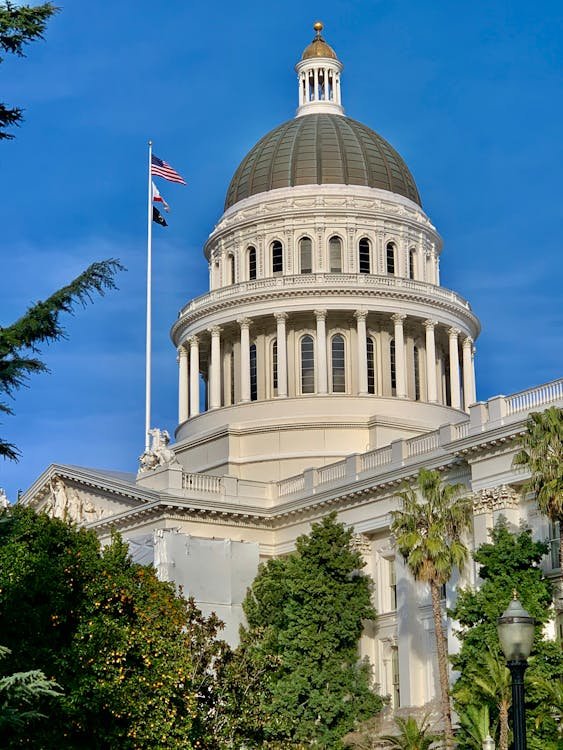
On January 1, with the dawn of a new year, 900 new state laws took effect in California, igniting a wave of responses across the political spectrum. Amidst this storm, Jon Fleishman, a conservative commentator, lamented on Facebook about the legislative gridlock he believes should never have convened. His sentiments resonate deeply across the divide, reflecting a broader discourse on governance, accountability, and the role of legislation in shaping society.
The Legislative Landscape: A Historical Perspective
The current legislative framework in Sacramento may seem daunting, with nearly 5,000 proposed changes to laws in 2023-24 alone. Historically, this surge is not new. In the early 1970s, similar sentiments echoed through the halls of the California state legislature. According to Dr. Elena Rodriguez, a political historian at Stanford University, “The legislative process is often seen as cumbersome and inefficient, yet it is a crucial mechanism for societal evolution.”
In this historical context, it’s essential to consider that the majority of bills introduced do not traverse the legislative maze to become law. Approximately 80% were rejected during evaluation last session, a figure that mirrors patterns established decades ago. This statistic begs the question: what determines the value and importance of the few bills that do pass?
Indicators of Legislative Significance
- Societal Impact: The extent to which legislation addresses urgent societal issues.
- Community Engagement: The participation of local communities and stakeholders in the legislative process.
- Economic Repercussions: The potential for economic growth, job creation, or funding.
- Long-term Vision: Alignment with broader social or environmental goals.
These indicators resonate particularly in Orange County, where legislation has played a crucial role in molding the region’s identity. Consider the foundations laid in 1889 when the county was carved from the sprawling Los Angeles County. AJ McFadden, a significant player in the effort to establish Orange County, recounted, “It took strategic funding and relentless advocacy to convince the legislature of our worth.” This narrative of grassroots lobbying is not simply historical; it remains relevant today.
Transformative Legislation in Orange County
Examining significant legislative milestones in Orange County provides insights into the symbiotic relationship between governance and community progress. The Master Plan for Higher Education, enacted in 1960, exemplifies transformative legislation. This plan, authored by Assemblywoman Dorothy Donahoe, led to the establishment of UC Irvine and California State University, Fullerton. Dr. Michael Chen, an education policy expert at UC Irvine, notes, “The establishment of these institutions was pivotal not just for education but for the economic and cultural infusion they provided to the region.”
Another landmark achievement occurred in 1987, with the separation of Caltrans districts leading to local control over transportation funding. Assemblyman Ross Johnson’s efforts catalyzed a movement culminating in the passage of a sales tax for transportation improvements, known as Measure M. “These legislative victories illustrate how collaborative efforts within the community can effectuate crucial infrastructure changes,” remarks urban planner Linda Carter.
Creating Spaces for Veterans
The ongoing initiative to establish a veterans’ cemetery in Gypsum Canyon stands as a testament to the importance of advocacy and legislation. Assemblywoman Sharon Silva championed this cause to ensure that those who served the nation would have a dignified resting place. A representative from the California Department of Veterans Affairs states, “Legislative efforts like these underscore our commitment to honoring those who have protected our freedoms.”
The Role of Public Discourse
As the political discourse rages on, figures like Jon Fleishman serve as vital touchpoints for engagement. Both he and I, advocating from opposing sides, highlight the need for informed discussions surrounding policy. “Civil debate leads to more informed citizenry and better governance,” Fleishman advocates in his columns. The stark divide within public opinion only amplifies the importance of understanding different perspectives when evaluating legislative outcomes.
A New Era in Legislation
As we navigate this new legislative era, the question remains: how can we ensure that legislation serves the interests of all constituents? The interplay between grassroots advocacy and institutional change can lead to a future where legislation embodies the community’s values. With ongoing discussions among stakeholders, policymakers, and the public, laws are not merely edicts from Sacramento; they are reflective of the society they aim to serve. The aspiration for meaningful legislation lies in our collective hands, demanding vigilance, engagement, and an unwavering commitment to democratic principles.
The dialogue continues as I welcome responses from varied political viewpoints, fostering a richer understanding of our legislative landscape. Each perspective contributes to shaping a narrative deeply rooted in the values of our communities.