


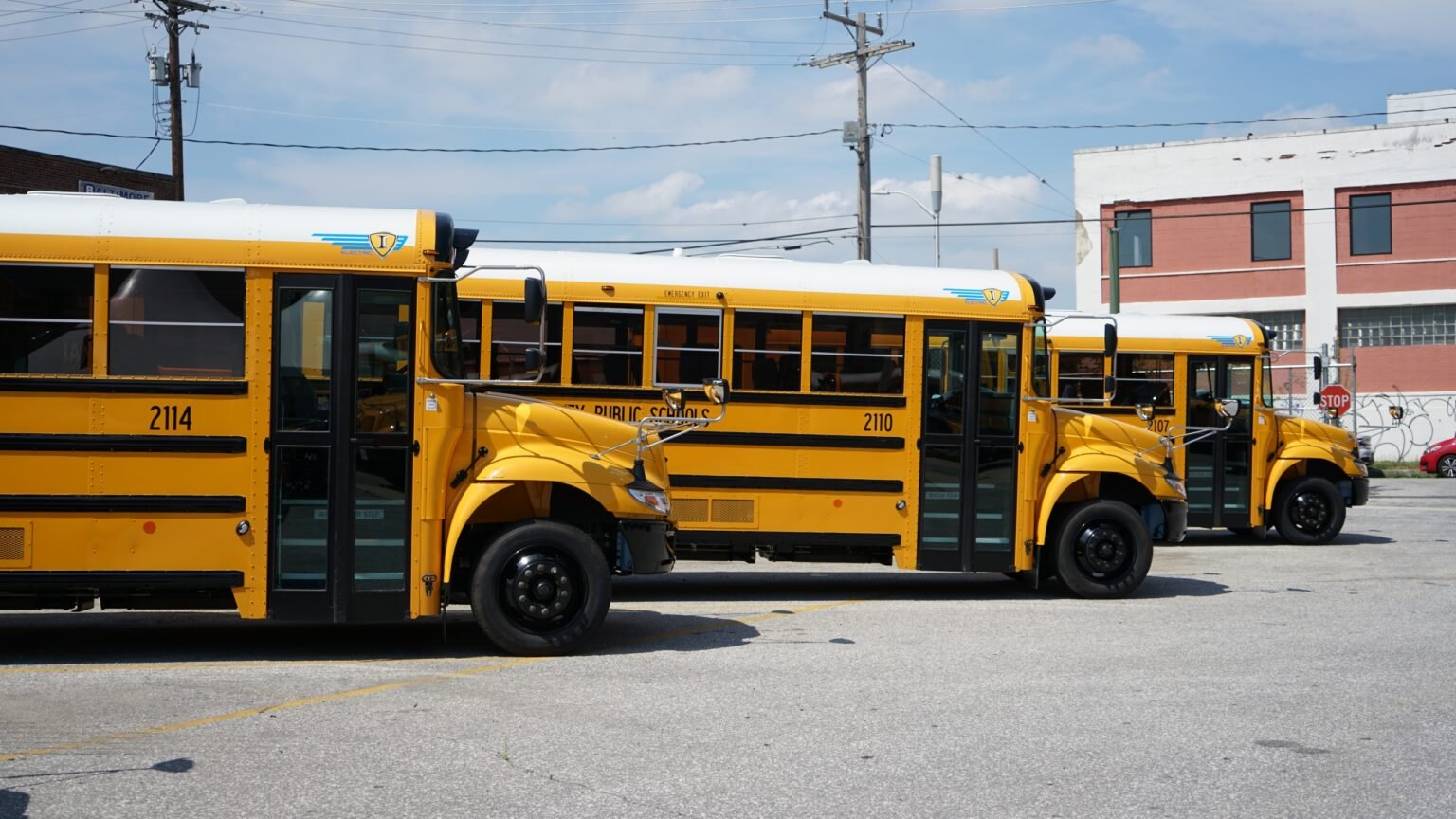
Going for Gold on an Electric School Bus
As the world eagerly anticipates the 2028 Olympics in Southern California, a remarkable shift is unfolding beneath the surface—one that positions Orange County as a beacon of sustainable transport. Amid the thrills of indoor volleyball and surfing in the sun-splashed beaches, the region is charging ahead with a revolutionary fleet of electric school buses, aiming to transform not just local transportation but the environmental narrative associated with the games.
Rising to the Challenge
When the world tunes into Southern California for the Olympics, over 60 electric school buses will already be ferrying students through the streets of Orange County. Initiatives like the Zero Emission School Bus and Infrastructure (ZESBI) Program have led to a significant but still inadequate achievement, with only about six percent of the county’s school buses being electric. This stark statistic reveals that nearly 40% of the region’s buses continue to spew diesel fumes into local communities, exacerbating health disparities and environmental degradation.
Dr. Maura Stringer, an environmental health expert at the University of California, argues that the urgency for this transition cannot be overstated. “Diesel exhaust is not just an inconvenience; it’s a public health crisis. It’s directly linked to asthma, cancers, and cognitive impairments,” she emphasizes. “By replacing these buses with electric alternatives, we’re not just investing in infrastructure; we’re investing in the future wellbeing of our children.”
The Cost of Diesel
The grim reality of diesel-powered buses casts a long shadow over the educational landscape. Studies indicate a troubling correlation between diesel emissions and compromised student health, particularly in marginalized communities. In fact, a recent report found that students riding diesel buses are nearly 1.5 times more likely to develop respiratory issues compared to their peers. As Dr. Lawrence Mills, a policy analyst at the Green Energy Institute, comments, “For many low-income districts, these buses represent a choice between budget constraints and the health of their students. It’s a moral imperative to pursue cleaner options.”
- Over 40% of Orange County’s school buses run on diesel fuel.
- Health studies link diesel exhaust to asthma and developmental issues.
- Electric buses can cut operational costs by approximately $100,000 over their lifetime.
- Projected annual savings of $18 million in health and climate benefits for Orange County.
Electric Power: A New Dawn
Transitioning to electric school buses is not only a matter of health; it also presents a compelling financial argument. Electric buses operating in Orange County show a lifetime operation cost that is significantly lower compared to diesel buses. This presents an opportunity for school districts to allocate funds more effectively and prioritize student needs. “The financial incentives are clear,” notes financial consultant Jenna Liu. “With the anticipated savings, districts can reinvest in educational resources, extracurricular activities, and healthier school environments.”
Several districts have already begun the transition, including Orange Unified and Anaheim Elementary, demonstrating that electric alternatives are not just viable but preferred. Newport-Mesa Unified and Saddleback Valley Unified plan to join the charge, indicating a growing consensus among educators and administrators that the time for change is now.
A Call to Action
Despite existing efforts, the demand for electric buses has far outstripped the available funding. The ZESBI Program, while a significant step forward, has not met the urgent needs of many school districts trying to eliminate a major source of pollution. As the 2028 Olympics draw nearer, the opportunity for state lawmakers to allocate additional funds from the Greenhouse Gas Reduction Fund becomes even more pressing. “We can’t afford to slow down,” insists advocacy leader Joe Versen. “As our region takes the global stage, let our commitment to a clean environment shine just as brightly.”
Incorporating a renewable transportation framework into the Olympic vision grants the games an unprecedented significance that goes beyond mere athletic achievement. The potential for Orange County to showcase its electric school buses aligns with global sustainability goals, offering an example for cities worldwide. As Versen puts it, “An electric school bus is not just a vehicle; it’s a symbol of our commitment to equitable and healthy communities.”
With the Summer Games fast approaching, Orange County has the chance to not merely host an Olympic event but to define the future of transport—one where the iconic yellow school bus is wholly electric, functioning as a lifeline for students and a promise of cleaner air for all. This is not just about leading in sports; it is about leading in sustainability.