


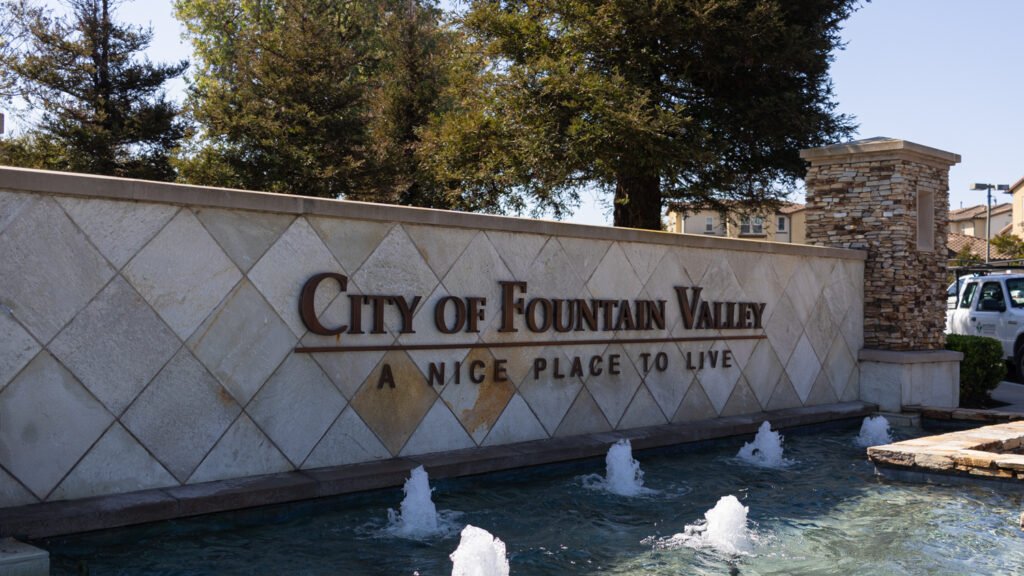
Fountain Valley’s Trash Rates on the Rise: A Deep Dive into Local Waste Management Challenges
The sun dipped below the horizon, casting a warm glow on the streets of Fountain Valley, a small but vibrant city nestled in Orange County, California. Residents returned home from their daily commutes, unaware that their monthly expenses were about to climb—again. A recent city council vote confirms that Fountain Valley residents will soon see their trash bills increase as local landfill fees surge, a shift that serves as a reflection of broader challenges facing waste management in the region.
The Rate Hike and Its Rationale
As of July, the average household will see their monthly trash bill rise from approximately $32 to nearly $35, while seniors benefitting from a special rate will also experience a $2 increase. Yet, this is only the beginning. Over the next five years, residents can expect additional hikes, with the trash rate slated to reach around $37 by 2028 due to small incremental increases tied to inflation.
“This is not a conversation about can we not increase the trash rates,” stated Fountain Valley Public Works Director Scott Smith during the April 7 meeting. “The trash rates are increasing.” The city’s decision comes amid a broader county agreement, effectively sealing the fate of waste disposal costs across Orange County.
Behind the Numbers: The Waste Infrastructure System Enterprise Agreement
The backdrop of this increase is the Waste Infrastructure System Enterprise Agreement (WISE), which has drawn participation from 15 other cities, including Anaheim and Newport Beach. As cities band together to negotiate lower disposal rates, the county’s disposal fee is set to jump from $43.76 per ton to $67 on July 1, eventually escalating to $81 by the following year. This steep increase was partially mitigated following negotiations led by city managers, who successfully reduced the county’s original proposal of $82 per ton.
- July 1: Disposal fee increases to $67 per ton
- Next year: Fee further rises to $74 per ton
- The following year: Final hike to $81 per ton
Fountain Valley’s decision to join WISE allows for a rate lock that is at least 10% lower than what non-participating cities will pay. Councilmember Ted Bui, who participated in the negotiations, emphasized, “They have been working at this for almost a little more than six months, and they have come to an agreement.” Without such agreements, city officials fear that shipping waste out of the county would lead to even steeper costs, potentially reaching 27% higher.
The Impacts on Residents and the Environment
Beyond the numbers, the implications of rising trash rates ripple through the community. Residents, particularly those on fixed incomes, are increasingly feeling the weight of higher utility costs. A recent study by the California Waste Management Coalition highlights that 62% of residents in similar communities reported anxiety regarding rising living expenses.
“In an age where many Californians are grappling with the high cost of living, any increase feels sharp,” noted Dr. Ellen Turner, an environmental economist at the University of California, Irvine. “The waste industry’s pricing strategies are often a reflection of underlying environmental issues, and communities should be empowered to seek alternative solutions.”
This sentiment echoes the broader environmental concerns associated with waste management. Uneven distribution of waste disposal costs can inadvertently encourage illegal dumping or unsustainable practices. Local environmental activists argue that city leaders should investigate alternative waste reduction strategies, such as increased recycling programs or community composting initiatives.
The Road Ahead: Community Responses and Sustainability Efforts
Given the rising costs, residents are urged to voice their concerns through formal channels under California’s Proposition 218. Only if a majority of property owners formally protest can the rate hike be reversed. As city council members articulate that the trash rates must rise, the reality remains that dissatisfaction among residents is growing.
In response, Fountain Valley’s leadership has pledged to collaborate with residents on sustainability initiatives that can mitigate future increases. Discussions are underway about improving organic waste recycling and expanding public awareness campaigns about reducing trash at the source. Councilmember Bui remarked, “We need to provide the tools for our residents to engage actively with waste management while also preparing for future increases.” Increasing public awareness and fostering community involvement could not only counteract rising costs but also lead to a more sustainable future.
As Fountain Valley moves forward amid these changes, the interplay of community concern, economic pressures, and environmental responsibilities continues to shape the narrative. The residents who once took for granted the simple act of placing their trash curbside now find themselves at the crossroads of fiscal responsibility and sustainability. Only through collective efforts and informed dialogue will they navigate these rising tides of waste management costs.