


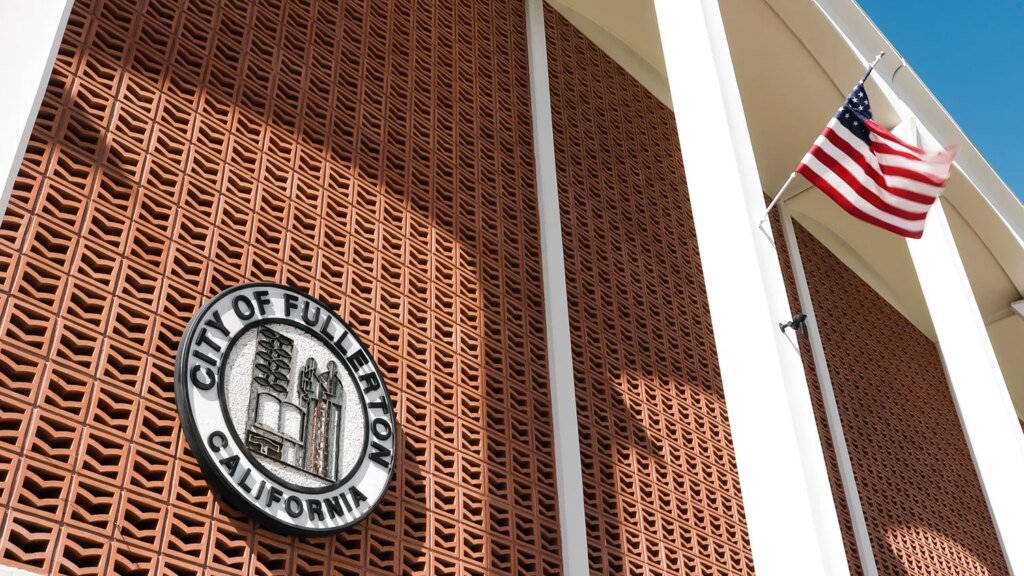
Fullerton Plays Hot Potato With Budget Crisis
As City Manager Daisy Perez sat in a tense Fullerton council meeting, she glanced at the financial projections flashing on the screen. What she saw confirmed her worst fears: the city’s budget was on the verge of collapse. A decade of unchecked spending and mismanagement had led them to this moment, a dire fiscal cliff just a year away. Council members, most of whom had sat through the warnings, whispered among themselves, unsure of how to face the inevitable consequences.
Longstanding Warnings Ignored
Two years prior, during a parchment-filled June meeting in 2024, city staff cautioned the council about an undeniable structural budget deficit. “Expenditures are outpacing revenues,” one staff member warned, underscoring a growing fiscal chain reaction that would leave the city severely underfunded. Yet, on that fateful day, most council members—including then-Mayor Nick Dunlap, and Councilmembers Ahmad Zahra, Shana Charles, and Fred Jung—voted to approve a budget that utilized reserves as a temporary bandage. “It was a calculated risk, but we believed we still had time,” Jung explained recently, reflecting the attitude that has turned Fullerton’s fiscal future into a precarious gamble.
- Projected deficits keep rising.
- Reserves heavily allocated to other projects.
- Council members point fingers amid unresolved tensions.
Budgetary Band-aids and Missed Opportunities
Yet, questions linger: What happened to the money? As of June, city officials projected approximately $26 million in reserves; however, $10 million is earmarked for existing commitments. This leaves a mere $16 million available to offset a growing budget shortfall projected at $13.7 million. Without immediate action, the city’s reserves could dwindle to just 2% of its budget by June 2027, well below the 10% minimum mandated by city policy. “Unquestionably, we have to address this,” cautioned Steven Avalos, the Interim Director of Administrative Services, during a city council meeting.
While bureaucratic jargon may surround these statistics, the impact is visceral for citizens. With roads in disrepair, public services strained, and the specter of layoffs looming, residents are increasingly agitated. Fullerton’s fiscal turbulence comes at a time when local services are already feeling the strain. Many fear the repercussions of potential spending cuts will ripple across the city’s infrastructure and public safety sectors.
Political Tension Brews
In recent weeks, tensions have escalated among city officials as accountability seems to slip further from reach. Councilmember Zahra has openly challenged his colleagues on why decisive actions weren’t taken sooner, citing extensive warnings over several years. “If we knew we were headed towards this cliff, then why did we not act?” he asked during a recent interview, punctuating his remarks with a sense of incredulity.
On the opposing side, Jung and Dunlap have insisted that knowledge of the city’s financial troubles was not a surprise. “This notion that we weren’t aware is nonsense. Each of us has a duty to safeguard public resources,” Dunlap retorted in response to Zahra’s accusations. “It’s an ultimate betrayal of trust when fellow council members seek to mislead the public about our financial strategy.” Such polarized opinions within the council echo a deep-seated atmosphere of mistrust, threatening the fabric of fiscal cooperation essential for resolving this pressing crisis.
Solving the Crisis
The question now looms: How can Fullerton salvage its finances? Officials face mounting pressure from citizens and advocacy groups, many of whom staunchly oppose both cuts to services and proposed sales tax increases. “We tried cutting services in 2021, and the community firmly rejected it,” Jung lamented, emphasizing the delicate balance they must strike. “At some point, residents must understand we can’t have it all without some sacrifices.”
One possible remedy on the table—a new sales tax aimed explicitly at addressing road conditions—certainly has its critics. “A temporary fix may not solve the systemic issues we’re facing,” cautioned Dr. Loretta Kincaid, an expert in municipal finance at the University of Southern California. “Officials should prioritize transparency and community involvement in finding long-term solutions.” Stakeholders are pushing for innovative strategies that not only balance the budget but also engage the community in fiscal responsibility.
A Bleak Future Ahead
The clock is ticking for Fullerton. Council members are keenly aware of the concerns surrounding their growing budget deficit, which critics argue has been papered over by excessive reliance on reserves. “We’re playing a dangerous game,” warned former councilman Bruce Whitaker, who was the sole dissenting vote when the council approved the controversial budget. “Using one-time funds to close ongoing gaps is merely a band-aid solution. Next year, the problem will only worsen.”
As the council pivots back toward fiscal responsibility, a pivotal question remains: Can they shift public sentiment and regain trust in a system that many now view through a lens of skepticism? “We’re grappling with a truth that has been hidden for too long,” reflected Councilwoman Shana Charles. “It’s time for us to confront our responsibilities, not just to the budget, but to the people who rely on our decisions.”
Ultimately, Fullerton’s financial future will require not just band-aids, but comprehensive, community-supported solutions that prioritize transparent governance and fiscal stewardship. The next few months will be critical, offering an opportunity for the council to redefine its approach and, perhaps, restore the public’s faith in its leadership.