


Huntington Beach Republican City Council Fractures in Battle For Deputy Mayor
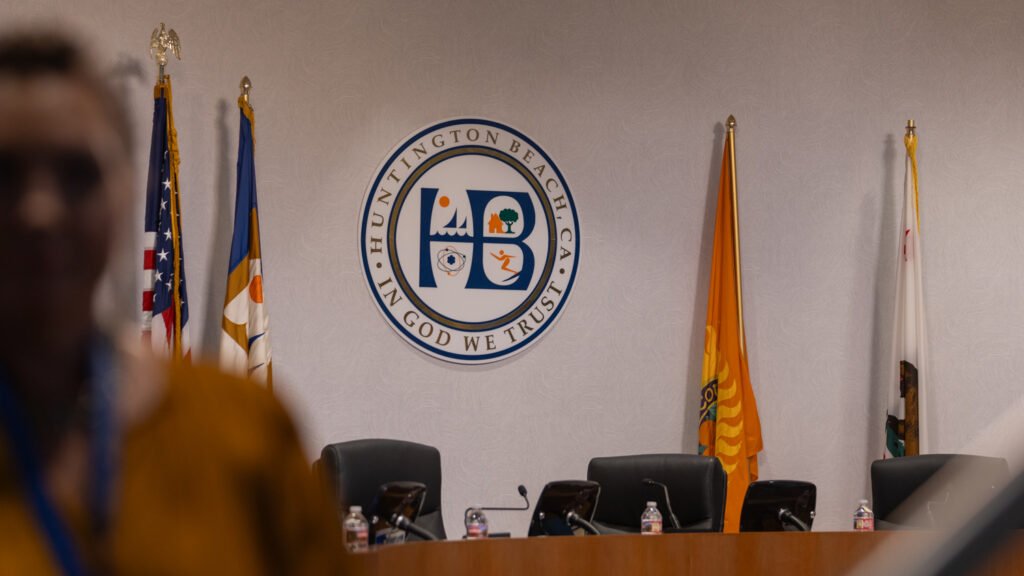
Under the dim lights of the Huntington Beach City Council chamber, a tense atmosphere contrasted sharply with the breezy Southern California evening outside. As council members convened to vote for the next deputy mayor, the air buzzed with palpable anticipation. This was not just a routine appointment; it marked a dramatic fracture among elected officials once united by electoral victories. Councilman Chad Williams found himself unexpectedly sidelined as Butch Twining ascended to the role, igniting fervent accusations and revealing deeper political rifts.
The Ceremony Behind Ceremonial Roles
In municipal governments, the deputy mayor role, though largely ceremonial, typically serves as a stepping stone to greater power. Traditionally, it is the person who conducts meetings in the mayor’s absence, laying the groundwork for future leadership. As the council’s public face, the deputy mayor often becomes a pivotal figure in shaping policy and public perception. Yet, the recent appointment of Twining as deputy mayor raised eyebrows and accusations of impropriety, pushing Huntington Beach politics into the spotlight.
- Background of the Council: Since last year’s elections, the Republican majority on the Huntington Beach City Council has prided itself on unity, evident in a 7-0 sweep across two election cycles.
- Williams’ Allegations: Williams accused his colleagues, particularly the newly minted Mayor Casey McKeon, of breaking the Brown Act, California’s law that mandates transparency in local government meetings.
- Community Response: The public response during the council meeting echoed support for Williams, with attendees vocalizing their displeasure at the council’s tactics.
Williams expressed his betrayal openly, claiming that a conspiracy to exclude him had unfolded in private. “Your councilman right next to you,” he asserted, gesturing towards Twining and another council member, Don Kennedy, “told me that Casey was going to nominate him.” This assertion unleashed a wave of skepticism from the audience as Twining remained silent, absorbed in the unfolding drama.
Strains of Retribution
The tensions reached a boiling point, with Williams alleging that his criticisms of McKeon and a past city attorney had painted a target on his back. “I called Casey a coward one day when he needed to hear it,” Williams stated defiantly. Support for him surged from the audience as various speakers pointed to the vengeful undertones of the council’s decision-making processes.
The charges of retribution brought an academic perspective to the podium, as political analyst Dr. Jenna Rosetti of the California Policy Institute noted, “In small city councils, personal relationships often overshadow policy concerns. Elected officials are not merely public servants; they are also individuals with complex social dynamics.” Rosetti’s insights helped contextualize the Huntington Beach situation within a broader framework of local governance.
A Scripted Council Meeting
Amid the drama, Councilman McKeon sought to maintain order, restricting discussion time to two minutes each, effectively curbing an impassioned exchange that spoke to the heart of democratic discourse. The audience could barely contain its frustration as McKeon silenced dissent with a firm hand. “This is not like a WWE wrestling match,” he retorted, striving to divert attention from the growing chaos. However, such authoritarian tactics often exacerbate tensions, as noted by political behavior researcher Dr. Alan Parker, who argues that “stifling debate in public meetings alienates constituents and fuels resentment.”
Before the vote, community pastor Joe Pedick urged council members to reconsider their choice, saying, “Deep down you know that it’s right.” The emotional plea resonated with many in attendance, revealing a disconnect between elected officials and the community they serve.
Violating Own Policies
Adding to the intrigue was the apparent disregard for council policies. According to city rules, Williams was to automatically ascend to the deputy mayor position due to his electoral success. Yet, this policy had been dismissed in favor of political maneuvering, leading to significant discontent among constituents. The decision prompted questions about the integrity of governance and the values upheld by elected officials.
Williams provided a stark contrast to Twining, who defended his sudden ascension by claiming he was the most qualified candidate. However, Twining’s legitimacy was undermined by accusations of collusion with McKeon, leaving many community members questioning his motives.
The council meeting ended with a cacophony of dissent reverberating within the chambers. Supporters of Williams continued to shout disapproval as Twining attempted to position himself as a unifying figure, a challenge met with skepticism by both the public and council members.
As Twining concluded the meeting, his statements about Williams showcased the shifting alliances that characterizes Huntington Beach’s evolving political landscape. “Is that correct? Let me tell you something. I didn’t campaign for this position,” he claimed, distancing himself from the accusations of opportunism that loomed large in the air.
Thus, the intricate dynamics of Huntington Beach’s political environment were laid bare, illustrating how an ostensibly straightforward appointment could spiral into a struggle for power, transparency, and accountability. The fallout from this fractured council suggests that as Huntington Beach moves forward, the divisions may only deepen in the face of growing public scrutiny.