


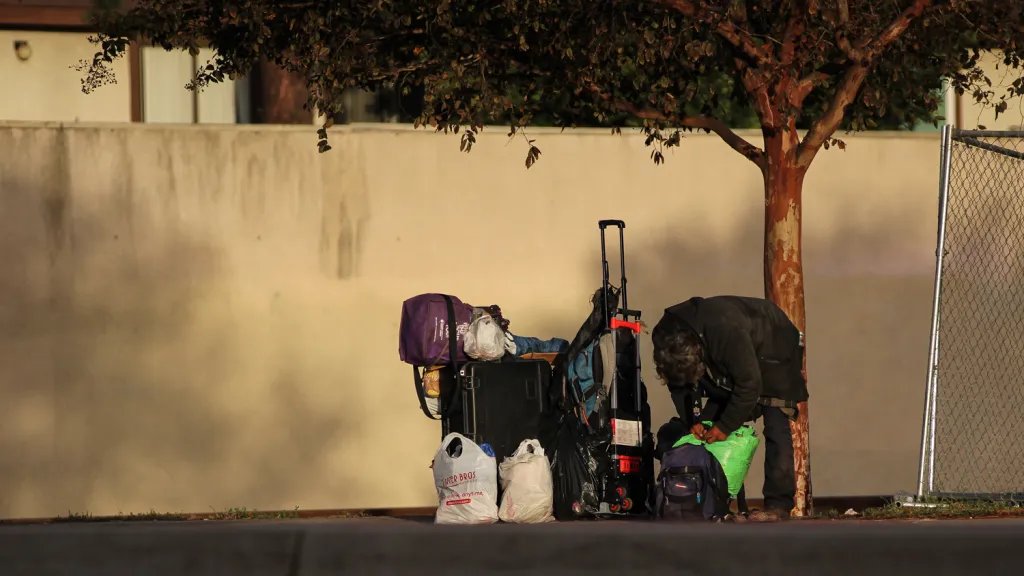
As the sun dipped below the horizon, casting an orange glow across the sidewalks of Stanton, California, a figure hunched against the chill of the evening, wrapped in layers of worn blankets. For those experiencing homelessness in this bustling corner of Orange County, nights without a roof are often filled with uncertainty and fear. However, a recent partnership between the cities of Irvine and Costa Mesa promises a flicker of hope, bringing together resources at a time when access to shelter has become increasingly critical.
Partnerships for Progress: Addressing Homelessness in Costa Mesa and Irvine
In a unanimous decision at a recent Costa Mesa City Council meeting, officials greenlit a strategy to allow Irvine residents access to the Costa Mesa Bridge Shelter. This initiative, effective until June 30, 2026, will see temporary beds open up for those in need, addressing a growing crisis in the region—and highlighting a novel approach to a deeply entrenched social issue.
The Shelter’s Role in a Broader Context
The Costa Mesa Bridge Shelter, currently housing 100 individuals, has become a pivotal player in the local fight against homelessness. With 20 beds reserved for Newport Beach and 80 for Costa Mesa residents, it has been instrumental in providing refuge. Recently, data from the shelter indicated an available capacity, with an average of 28 vacant beds per night over recent months, as officials noted a 500-person housing success since opening in 2019.
Dynamic Shifts in Local Policy
“We’ve been doing a holistic job of getting people well—mind, body, and soul,” said Nate Robbins, Costa Mesa’s Neighborhood Improvement Manager, during the council meeting. “The new state laws are removing the more hardcore drug users from our streets, which is contributing to the decrease in visible homelessness.” His remarks underscore the broader implications of recent legislative changes, which some experts argue may only address part of the problem.
According to Dr. Emily Rodriguez, a sociologist who studies urban homelessness, “While removing chronic offenders may provide immediate relief, it does not tackle the root causes of homelessness. If we ignore mental health and economic disparities, we face an ongoing cycle.” This sentiment echoes in the streets, where many individuals cite socio-economic factors, mental illness, and addiction as barriers to stable housing.
Collaboration Over Competition
The partnership between Costa Mesa and Irvine reflects a growing trend among local governments to collaborate rather than compete in addressing homelessness. The $163 per bed, per day fee for Irvine’s access to Costa Mesa’s shelter illustrates how resource-sharing can sustain municipal services while ensuring that more individuals receive help.
- Resource Efficiency: Ability to fill empty beds in times of lower local demand.
- Cost Sharing: Creates a sustainable financial model for ongoing shelter operations.
- Comprehensive Support: Coordination of social services across city lines to better serve individuals.
Robbins anticipates that, once a new operator is selected to manage the shelter, a multiyear contract can further solidify this collaboration. It echoes a sentiment shared by many city officials: tackling homelessness is not just a municipal responsibility—it is a collective community challenge.
Future Prospects: What Lies Ahead?
Yet, as plans solidify for the Irvine partnership, questions loom about the future of allocated resources. The contract with Newport Beach is set to expire simultaneously, sparking concerns about whether those 20 exclusive beds will be filled. Councilmember Loren Gameros asked pointedly, “What happens when we face an increase in demand from outside our borders?” This question highlights the delicate balance municipal leaders must maintain between idealism and pragmatism.
Robbins assured attendees that exceptions might be made for severe situations, emphasizing compassion while navigating the complexities of local governance. “We sometimes have to bend the rules to ensure human dignity remains a priority,” he added.
The Human Stories Behind the Numbers
Statistics tell part of the story, but the lived experiences of individuals like the man seen on the streets of Stanton portray a deeper narrative of resilience and struggle. Laila, a 39-year-old single mother, recounted her path from a steady job to living on the streets. “I never thought it would happen to me. I was just a paycheck away from disaster,” she shared, her eyes reflecting both vulnerability and resolve.
Her narrative is not unique. As cities grapple with increasing homelessness, addressing the underlying causes—such as affordable housing, mental health support, and employment opportunities—remains paramount. Efforts like the Costa Mesa-Irvine partnership are stepping stones, but the road ahead is complex, requiring sustained commitment and innovation from all stakeholders involved.
As city leaders workshop further initiatives and partnerships, they must remember that behind the statistics are individual lives awaiting change. Just as the sun sets over the streets each night, stories of unseen struggles and potential await the dawn of solutions that can bridge the divide between homelessness and homes.