


Arriving at a New Normal: Homeless Deaths in Orange County
On January 31, 2026, DeAna Jeffers, a 42-year-old woman known for her warm smile and love for her dog, died in a makeshift shelter in Mission Viejo. Her death marked one of 23 recorded fatalities among the homeless population in Orange County that month. With the recent surge in deaths raising unsettling questions, it evokes memories of the grim realities faced by those living on the streets during the pandemic’s peak. Jeffers, like many others, fell through the cracks of a system struggling to provide the necessary safety nets for its most vulnerable citizens.
The Hidden Toll of Homelessness in Orange County
Statistics portray a stark picture. In January 2026, the number of homeless deaths remained strikingly similar to 2020 levels, with nearly one person succumbing to the harshness of life on the streets each day. According to Fr. Dennis Kriz, a leading advocate for the homeless, “For every person we save, two are still dying. It’s a cycle that reflects systemic neglect.” This cycle has plagued Orange County (OC) for years, posing a haunting challenge to both local authorities and community organizations.
A Closer Look at the Data
In a climate where the wealth disparity is palpable, OC has seen a worrying trend: while the total homeless deaths decreased from a peak of 490 in 2023, the persistently high numbers indicate that progress is painfully slow. The recent report on homeless deaths revealed that 325 individuals died in 2025, matching the dire figures recorded at the start of the pandemic. Despite the figures indicating a 35% drop since the peak, the numbers still signal a crisis.
- January 2026 homeless deaths: 23
- Peak homeless deaths in 2023: 490
- Deaths in 2020: 325
Research from the Center for Homelessness Studies indicates that natural causes, accidents, and substance abuse continue to contribute significantly to these fatalities. “Many homeless individuals suffer from chronic health conditions that remain untreated. This vulnerability, paired with the unpredictability of their living conditions, can be fatal,” explains Dr. Linda Martinez, an epidemiologist focused on homelessness.
Community Responses and Innovations
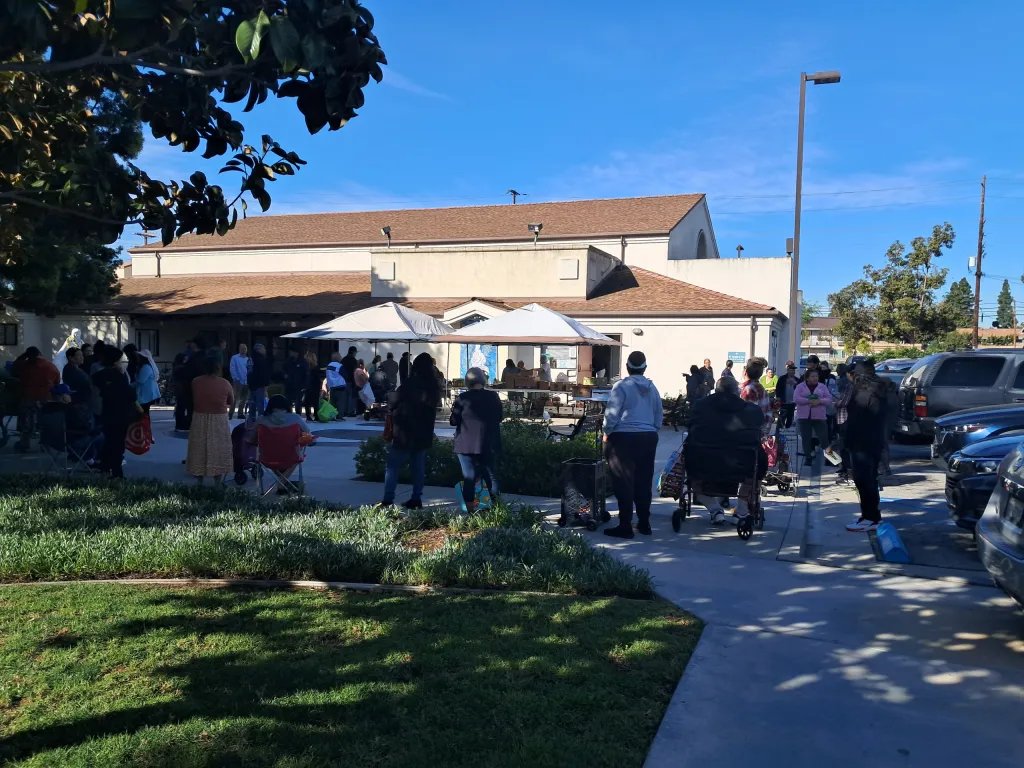
Community leaders are stepping up, but their efforts face significant challenges. Organizations like St. Philip Benizi Catholic Church in Fullerton have expanded food pantries, encountering increasingly long lines of individuals seeking assistance. The church, which recorded visits from over 1,000 families monthly, exemplifies the critical role of faith groups in addressing food insecurity—a related issue to homelessness.
Grassroots Initiatives
One initiative gaining traction in OC is the “Homeless Outreach Program,” launched by local non-profits aimed at immediate relief. “This program has shown promise, providing urgent assistance to those in need while also steering them toward long-term solutions,” remarks outreach coordinator Andrew Keller. “However, we need more resources and collaboration across agencies to make a significant impact.”
Among the notable attempts to bridge these gaps is the innovative “Safe Parking” initiative, allowing individuals living in vehicles to find temporary refuge. However, it has been met with resistance and limited availability, raising questions about the feasibility of scalable solutions.
A Call to Action
In light of the recent deaths, county officials are under pressure to release their annual report on homeless deaths in OC, which is anticipated to provide a clearer picture of progress made and remaining challenges. “We need actionable insights from this report—a roadmap to reducing these deaths to zero,” emphasizes Fr. Kriz, insisting that each death is a failure of the system. Observers argue that it should be a community priority to ensure that no one has to die alone on the streets.
The evolving landscape of homelessness in OC showcases a grim dichotomy: a decreasing trend in deaths yet an overwhelming need for systemic change. As the community grapples with these challenges, it becomes crucial to foster a network of compassion and proactive resolution. The recurring question remains: how can a wealthy county allow such tragedies to persist?
Efforts may be underway to establish a “new normal,” but until the foundations of equitable support and health services are readily accessible to all, individuals like DeAna Jeffers will continue to be represented only by numbers—a stark reminder that homelessness is not just a statistic, but a matter of human dignity.