





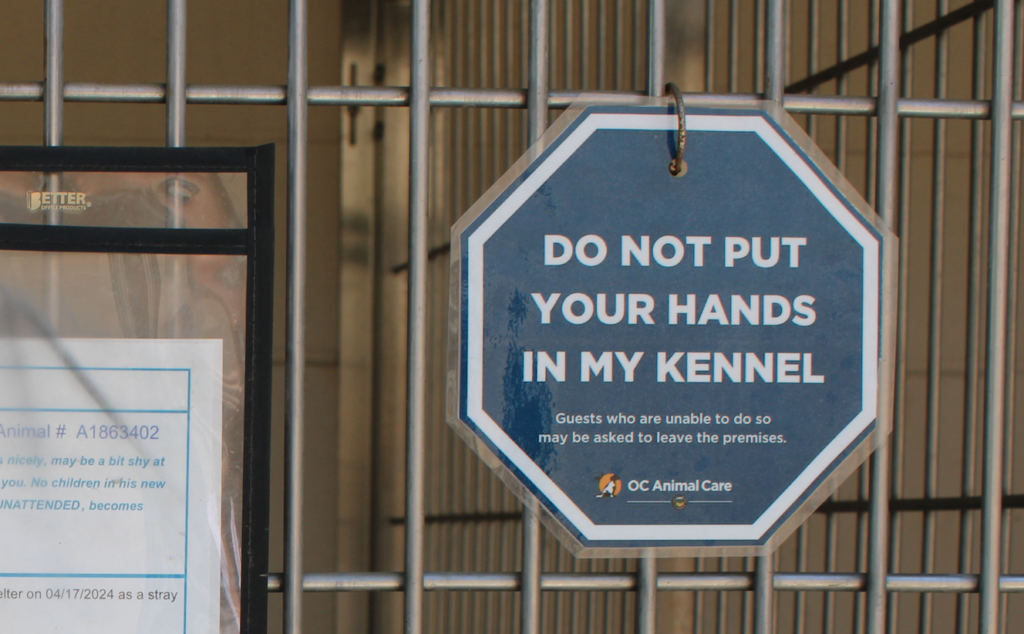
Orange County’s Animal Shelter Faces Negligence Lawsuit After Dog Mauling
Emily Moncur, a devoted volunteer at OC Animal Care, found herself caught in a nightmare scenario on August 21, 2023. As she attempted to return Blaze, a dog involved in a cruelty case, to his kennel, he attacked her, biting her 18 times. Despite her desperate screams for help, shelter staff were allegedly unable to hear her cries, leading to severe injuries that have since spurred a negligence lawsuit against the county-run facility.
Attack Unfolds: A Gripping Account
Moncur’s harrowing experience began when she took Blaze from his kennel, a task many volunteers undertake with enthusiasm, hoping to provide love and care to shelter animals. However, when it was time to return Blaze, disaster struck. According to the lawsuit filed in Orange County Superior Court, the dog lunged at Moncur, pinning her against the kennel door.
“She was trapped, unable to escape his grip,” the lawsuit details. “The attack lasted long enough for the dog to inflict significant injuries, biting her on her arms, legs, buttocks, and neck.” It highlights a troubling aspect of animal welfare work: volunteers often face risks that are inadequately addressed.
Responding to Danger: Allegations of Negligence
Moncur asserts that she was placed in an untenable situation by the shelter. The lawsuit claims that the shelter failed to provide proper training for handling dogs with aggressive histories, specifically pointing to Blaze’s past. “I had no idea Blaze was considered dangerous,” Moncur said in an interview. “This isn’t just about my injuries; it’s about a system that puts volunteers at risk.”
Key Allegations Against the Shelter
- Inadequate training for handling aggressive dogs.
- Lack of emergency response protocols.
- Failure to inform volunteers about dogs with known behavioral issues.
The suit contends that the shelter staff’s “unreasonable response time” exacerbated Moncur’s injuries. The presence of noise-canceling devices allegedly hampered their ability to hear her screams, resulting in delays that Moncur claims could have been mitigated with proper management protocols. “Had my calls for help been heard in a timely manner, my injuries could have been far less severe,” she said.
County’s Response: Denial of Allegations
In a formal response, representatives from OC Animal Care have categorically denied all allegations, emphasizing that Moncur was aware of the risks associated with her volunteer work. “Any injury or damage suffered by Plaintiff was caused solely by reason of Plaintiff’s own wrongful acts,” the county’s legal counsel stated, underscoring their stance that Moncur voluntarily engaged with a dangerous animal.
Nevertheless, legal experts weigh in on the county’s potential vulnerability. Dr. Alice Ren, a psychologist specializing in workplace safety, argues, “Organizations are legally and ethically responsible for the safety of their volunteers. It’s crucial that they implement robust training and response strategies, especially in high-risk environments like animal shelters.”
Broader Implications for Animal Welfare
This incident raises critical questions about the operational standards at animal shelters across the country. Studies suggest that over 60% of volunteers in animal welfare report feeling unprepared for potential crises. This incident at OC Animal Care illustrates systemic risks that can endanger both volunteers and the animals they aim to protect.
As experts advocate for better training and safety protocols, the county faces increasing scrutiny. Local animal welfare organizations are calling for reforms in how shelters recruit, train, and monitor volunteer activities. “Our volunteers are our lifeline,” asserts David Cline, director of a neighboring animal shelter. “Failing to protect them undermines the work we do in saving lives.”
The Path Forward: What’s Next for OC Animal Care?
As Moncur’s lawsuit progresses, a case management conference is set for January 20, 2024. The outcome will likely set a precedent for how animal welfare organizations manage risk, handle aggressive animals, and ensure volunteer safety in the process.
While OC Animal Care remains steadfast in denying wrongdoing, the implications of this case extend beyond the immediate legal consequences. Whether the shelter will enhance its safety protocols and provide comprehensive training in response to this detrimental incident remains to be seen. As Moncur continues to recover, the ripple effects of her experience may indeed lead to a reassessment of practices intended to protect both the volunteers and the animals within shelters. This case serves as a poignant reminder of the complexities of animal rescue work and the necessity for systematic changes to ensure a safer environment for all involved.