





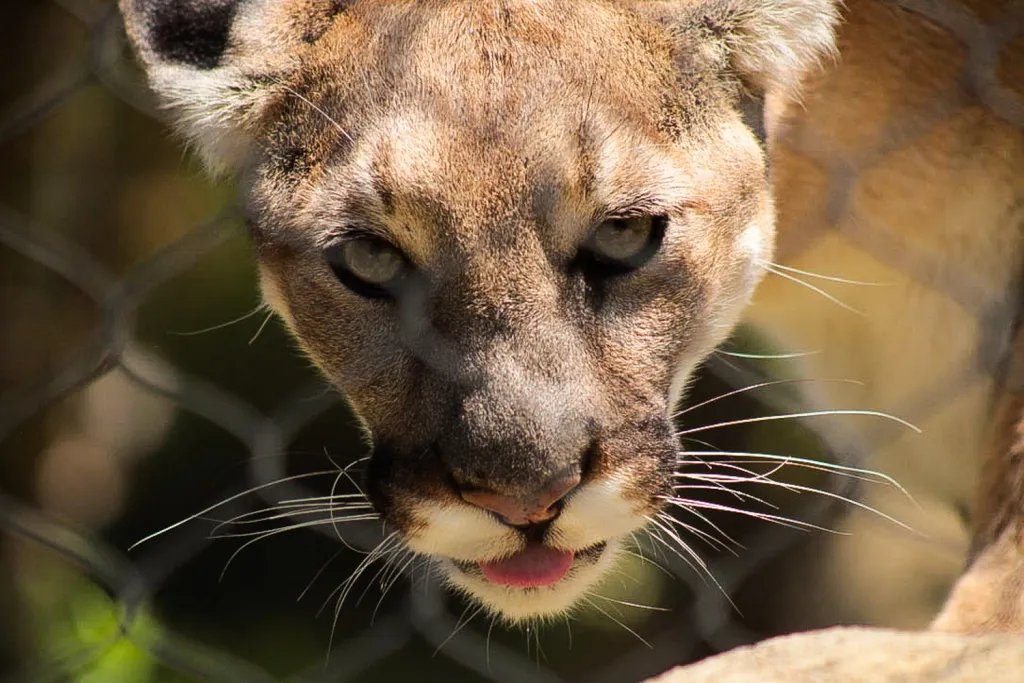
Mountain Lions of Orange County: Surviving the Perilous Ortega Highway
Just last week, a juvenile mountain lion met its untimely end on Ortega Highway, a winding road hemmed in by the picturesque Santa Ana Mountains. This tragic event marked yet another loss in a series of fatalities, sparking urgent discussions about wildlife safety in a habitat increasingly encroached upon by human development. Three mountain lions were killed on this notorious stretch in less than six months, raising alarm among conservationists about the crucial need for protective measures.
The Crisis Along the Highway
Last fall, the story of a brother and sister cub, orphaned when their mother was struck by a vehicle, garnered significant attention. Their struggle for survival amidst the dangers posed by Ortega Highway has been closely monitored by scientists from UC Davis’ Carnivore Project. Fernando Najera, who heads the project, explained, “At 15 to 16 months, they’re still learning critical survival skills. Being orphaned poses an immense challenge.”
The male cub, initially appearing to adapt, suffered a significant setback when he was found limping severely. After weeks of tracking, scientists realized he had a fractured humerus—an injury that ultimately necessitated euthanasia to prevent further suffering. This heartbreaking episode highlights the harsh realities facing mountain lions in a rapidly urbanizing environment.
Insights from Experts
Dr. Claire Hargreaves, a wildlife biologist at the University of California, emphasized that “the loss of even one individual can have cascading effects on the population’s health.” This is particularly true for a species like the mountain lion, whose numbers are already dwindling due to habitat fragmentation and road fatalities. A study from the California Wildlife Conservation Center revealed a staggering increase in vehicle strikes on wildlife corridors—up by 40% over the past five years.
The urgency of the situation has not gone unnoticed. Tiffany Yap, a senior scientist with the Center for Biological Diversity, voiced her concerns: “Ortega Highway is a hotspot for mountain lion crossings, but unfortunately, it’s also a deadly one.” This situation compels local authorities to reconsider their approach to road safety in areas inhabited by wildlife.
Potential Solutions and Community Efforts
Local wildlife advocates are pushing for solutions to mitigate these tragedies. As the frequency of mountain lion deaths increases, various strategies have come to light, including improved signage and the construction of wildlife crossings. The Center for Biological Diversity recently outlined key strategies for reducing wildlife-vehicle collisions:
- Installing wildlife overpasses and underpasses to facilitate safer passage.
- Implementing speed reduction measures in critical areas.
- Enhancing public awareness campaigns regarding wildlife road crossings.
“We have the capacity to develop wildlife-friendly infrastructure,” said Najera. “But it requires a concerted effort from state and local governments.” Recently, CalTrans officials have expressed willingness to explore options for wildlife safety improvements along Ortega Highway.
A Shift in Policy
The recent classification of Orange County’s mountain lions as a threatened species under the California Endangered Species Act provides a new layer of protection. Following the California Department of Fish and Wildlife’s ruling, conservationists are optimistic that it will pave the way for more robust wildlife protection laws and infrastructure improvements.
Yap added, “With this newly granted status, there’s a legal and ethical imperative to prioritize wildlife connectivity in all future developments.” This evolution in policy could prompt a shift in how new projects are approached—a welcome change for mountain lions at risk of becoming mere roadkill in the pursuit of urban growth.
The Broader Narrative
The plight of Orange County’s mountain lions encapsulates a broader struggle faced by wildlife globally. As urban areas expand, the delicate balance between human development and wildlife preservation hangs in the balance. The loss of individual lions affects not just their population but the ecosystem as a whole.
The heartbreaking stories of these majestic animals, such as the orphaned cubs navigating a landscape fraught with peril, serve as reminders of the pressing need for preservation efforts and community engagement. The intersection of human activity and wildlife habitat can either lead to tragic outcomes or a harmonious coexistence—they are two sides of the same coin.
Ultimately, the decisions made today regarding Ortega Highway may well determine the fate of future generations of Orange County’s mountain lions. If effective measures are enacted, perhaps it won’t be long before the calls of these iconic creatures again echo through the canyons, safe to roam in a landscape designed to protect them.