


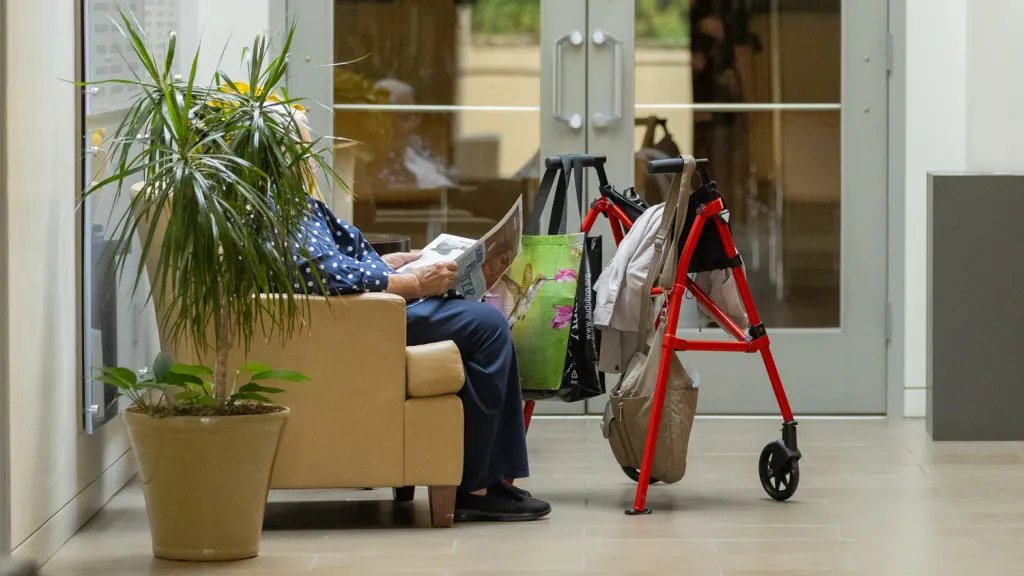
Seniors in Fullerton and San Clemente are confronting a harsh reality as the privilege of affordable taxi rides slips through their fingers, a lifeline drastically affected by fiscal scrutiny. Among them is Jeanette Reese, 75, whose dancing classes and community activities once filled the void of solitude left during the COVID-19 pandemic. “I transitioned from being stuck at home for over a year to teaching dance,” she reflected, her voice cracking as she spoke at a Fullerton city council meeting. “But my world is still small, and I fear it will shrink even more.”
Is Orange County Prepared to Get Old?
This poignant moment underscores a broader crisis facing Orange County as officials grapple with a looming “silver tsunami”—a demographic shift projected to see a third of the county’s population as older adults within the next decade. The urgency to transform transportation options amid budget constraints has pushed cities like Fullerton and San Clemente to restrict senior transport services, sacrificing crucial mobility for fiscal prudence.
Fullerton Dials Back Senior Taxi Services
In Fullerton, city officials have announced a phased reduction in subsidized taxi services for seniors, citing rising costs and increased usage as the culprits. According to Christian Hernandez, the city’s parks and recreation manager, seniors took over 14,600 trips last year. “We initially budgeted $176,900 from the Orange County Transportation Authority (OCTA), but we are facing a projected shortfall of about $125,000,” he reported during a council session. “Dialing back these services is our only option to stabilize funding.”
Understanding the Cuts
The upcoming changes will cap free rides to the Fullerton Community Center—a frequent destination for social interaction and classes—while also imposing charges for essential trips. Starting in March, seniors will have access to eight free rides monthly for shopping, with doctor appointments remaining subsidized up to a limit. Affected seniors, already feeling isolated, expressed trepidation. Reese’s testimony echoed a reality that many will face: “It’s not just about transportation; it’s about social connections and survival.”
- 14,600 one-way trips taken by seniors last year.
- $176,900 budgeted from OCTA funding for the current fiscal year.
- Projected $125,000 funding shortfall by year-end.
San Clemente Limits Trips With Exception for Senior Center
In San Clemente, the city council’s unanimous decision to limit seniors to eight free rides per month highlights the carefully balanced tightrope of funding and necessity. However, the mayor pointed out the importance of maintaining unlimited rides to the senior center for exercise and social fulfillment. “They need that access to engage with the community,” Mayor Rick Leoffler asserted. “Limiting their trips would impose isolation on those who already struggle.”
The Long-Term Viability of Programs
These service cuts come amid a wider context of financial strain; Fullerton faces a projected $9.3 million deficit next fiscal year, urging officials to identify new revenue streams rather than cut vital services. Council members like Nick Dunlap have suggested utilizing federal community development grant money to bridge these gaps, emphasizing that “as we age, we will need these vital services even more.”
Experts in gerontology note that inadequate transportation options can exacerbate loneliness and depression among older adults. A study by the Orange County Health Coalition found that seniors lacking reliable transportation were 60% more likely to experience feelings of isolation and despair (2024). “Transportation is more than just mobility; it’s an essential aspect of mental health for our aging population,” said Dr. Linda Martinez, a gerontologist at the University of Southern California. “Limiting access can lead to a cascade of negative outcomes.”
Community Responses and Future Considerations
The community’s reaction has been one of dismay and advocacy. Local residents have started petition campaigns urging city officials to reconsider the proposed restrictions, asserting that affordable transportation is critical for maintaining their dignity and independence. The 2025 Age-Friendly initiatives aim to create sustainable urban environments but now face significant setbacks against budgetary challenges.
In stark contrast, researchers have presented alternative funding strategies, advocating for increased tax measures to cover community services like the senior taxi program. This approach, they assert, not only ensures essential services but ultimately creates a more equitable community for all ages. Councilman Zahra’s suggestion to find additional funding “instead of cutting” resonates with many residents who worry for their future well-being in a rapidly aging city.
As Fullerton and San Clemente navigate these tumultuous waters, the voices of seniors reveal a demographic in need of compassion and understanding—not just budgets and cuts. The city officials’ balancing act may soon become a crucible for planning, funding, and preserving the dignity of older adults who deserve access to the full richness of life.