


‘Wild Tunes’ Program Brings Music to Mission Viejo Animal Shelter
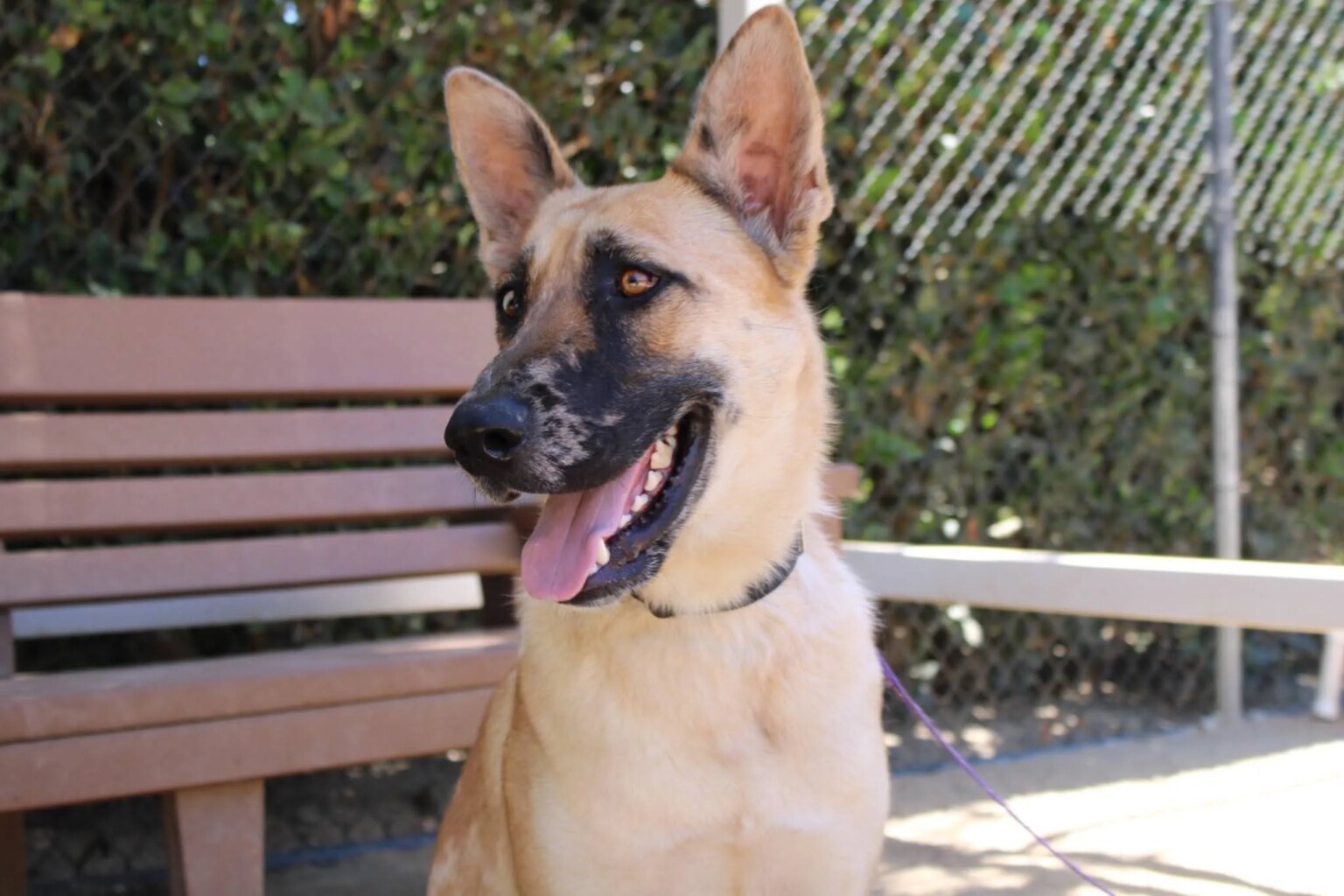
On a tranquil afternoon, the melodic strains of a piano drift through the Mission Viejo Animal Services shelter, transforming its normally chaotic atmosphere into a serene refuge. Thirteen-year-old Leah Morita, a devoted volunteer, sits at a keyboard, her fingers dancing over the keys as the previously noisy dogs settle into a hushed calm, their ears perked up and expressions softening. It’s a heartwarming scene that encapsulates the mission of the Wild Tunes program, which aims to connect music with animal welfare.
The Melody of Compassion
Since launching in August of last year, the Wild Tunes initiative has become a focal point of community engagement at shelters across Southern California, inspired by its original establishment in Houston by 10-year-old Yuvi Agarwal. With the goal of promoting emotional healing for both animals and volunteers, Wild Tunes seeks to create an environment where shelter animals can associate human presence with comfort rather than fear.
“Music is a universal language that transcends barriers,” says Dr. Emily Thornton, an animal behaviorist and psychology expert. “Research has shown that calming sounds can reduce stress levels in dogs, positively influencing their mental state and overall behavior. Programs like Wild Tunes are crucial not just for the psychological rehabilitation of animals but also for enhancing community volunteerism.”
- Volunteers perform music several times a week.
- Only gentle instruments, like pianos and harps, are used to maintain a soothing atmosphere.
- The initiative fosters a connection between animals and potential adopters.
Alison Nieves, the animal services coordinator at the shelter, observes the transformation firsthand: “I know when there’s a volunteer here because there is no barking. It’s quiet.” This tranquil environment is essential for shelter animals, many of whom come from traumatic backgrounds, struggling with trust and anxiety toward humans.
Empowering Youth through Music
For young volunteers like Leah Morita, the experience is dual-fold. “I’ve always loved playing piano, but doing it here makes it special,” Leah confesses, her eyes sparkling with enthusiasm. Every two weeks, she shares her music with the shelter, using it not only as a platform to practice but also to give back to the community.
“Each session is a gift,” shares Alyssa Morita, Leah’s mother and fellow volunteer. “It’s not just Leah’s growth in music; it’s how it affects the animals. We see them relax, which is incredibly fulfilling.”
According to a recent study published by the *Journal of Animal Welfare*, animal shelters that incorporated therapeutic music programs noted a 30% increase in animal adoptions compared to those without similar initiatives. The study confirms the necessity of creating positive atmospheres for the animals awaiting their forever homes.
A Broader Impact
As the Wild Tunes initiative spreads across California, the potential for a ripple effect grows. Kayden Tokarski, an ambassador for Wild Tunes in Southern California, evaluates the significance of the program’s expansion: “This isn’t just about calming the dogs; it’s about creating a more compassionate community. Music is a powerful tool that can shape how we view and treat the animals in our care.”
The Mission Viejo Animal Services center recently received the Outstanding Animal Care and Control Award from the National Animal Care & Control Association, recognizing its commitment to safety and humane practices. Brynn Lavison, director of the center, states, “Our work is rooted in service, accountability, and community trust.”
Looking Forward
The Wild Tunes project aims to continually grow, seeking additional volunteers and donations to facilitate its expansion into Northern California. “Imagine every shelter incorporating music into their routine,” remarks Tokarski, “It could lead to more joy and peace — not just for the animals, but also for the communities that support them.”
As Leah strikes the final notes of her piece and the last of the dogs’ nervousness seems to dissipate, one cannot help but feel optimistic about the future. Each piano melody carries the promise of hope, the possibility of connection, and the joy of returning home — both for the animals and for the young volunteers who foster this transformative environment. The Wild Tunes initiative serves as a resounding reminder that sometimes, the simplest gestures can create the most profound impacts.