


Enhancing Boating Safety with Sea Anchors and Drogues: Essential Tools for Southern California Boaters
When venturing offshore, even seasoned boaters may encounter unexpected challenges as weather conditions change rapidly. Sudden winds, swell, and current can severely compromise a vessel’s stability and control, particularly if propulsion systems fail. In such critical moments, preparation is not merely advisable; it could be a lifesaver. Two essential yet often overlooked safety devices—sea anchors and drogues—provide invaluable support during turbulent times, helping maintain stability and direction at sea.
Understanding the Difference: Sea Anchors vs. Drogues
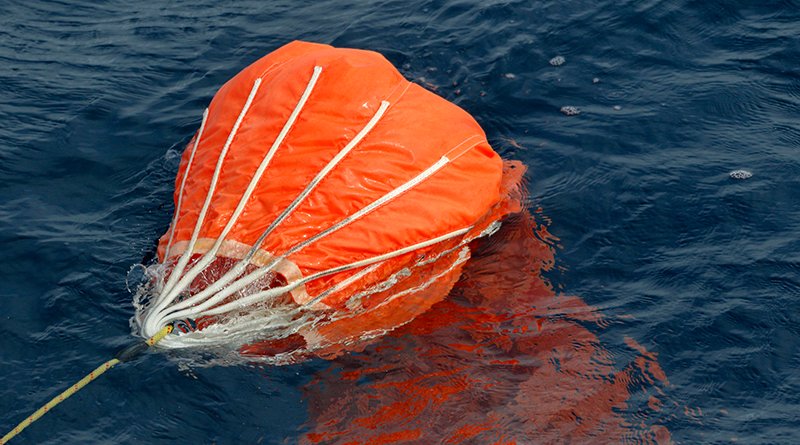
Though frequently confused, sea anchors and drogues serve distinct roles in enhancing a vessel’s stability in challenging conditions. Sea anchors, also known as parachute anchors, are designed to be deployed from the bow. They create significant drag, helping to keep the bow pointed into oncoming waves. This position is crucial for minimizing the risk of capsizing or broaching when faced with heavy seas. In contrast, a drogue is typically deployed from the stern and is designed to slow a vessel’s drift while still allowing it to move with the waves. Understanding when and how to deploy each tool can dramatically enhance safety and performance, especially for boaters navigating the often unpredictable waters off Southern California.
How Sea Anchors Work
A sea anchor effectively holds a vessel in place when conditions become severe. By creating drag, it maintains the boat’s orientation toward the waves, thereby reducing dangerous side impacts. This capability is essential for preserving both the stability of the vessel and the safety of those onboard, particularly if engine power is compromised. Without a sea anchor, a boat might be tossed around by incoming waves, increasing the risk of capsizing or suffering damage. For those planning a trip around Southern California waters, like the Channel Islands, having a sea anchor can offer peace of mind.
The Functionality of Drogues
In contrast to sea anchors, drogues are ideal for situations where a boat must continue moving but at a controlled pace. This is particularly relevant when navigating large following seas where excessive speed could result in a loss of control. The drogue helps regulate speed and direction, preventing the stern from being overtaken by breaking waves. By using a drogue, boaters can steer effectively and maintain alignment with the waves, making it easier to navigate safely until conditions improve or assistance arrives.
Proper Installation and Maintenance
Using a sea anchor or drogue effectively depends on proper sizing, deployment, and maintenance. Manufacturers provide guidelines based on vessel length and displacement, and it’s essential to follow these recommendations faithfully. An undersized unit may not generate enough drag, while an oversized one can place undue stress on rigs and lines. Regular maintenance is also straightforward; after each use, the equipment should be rinsed with fresh water, dried thoroughly, and checked for wear, particularly at seams and attachment points.
For both sea anchors and drogues, the rigging setup is key. Sea anchors typically require a strong rode attached to the bow, often with a trip line to assist in retrieval, while drogues should be deployed from reinforced stern points capable of handling substantial loads. Proper storage and easy access are paramount; in an emergency, having these tools readily available can significantly impact the response time.
The Case for Awareness and Training
Despite their effectiveness, many recreational boaters remain unaware of the advantages that sea anchors and drogues provide. Some may incorrectly perceive that such equipment is only necessary for extended offshore sailing or during serious storms. However, unexpected weather changes, mechanical problems, or navigational delays can arise even during short coastal trips. Cultivating an awareness of these tools, including practicing their deployment in controlled settings, enhances preparedness for sudden adverse conditions.
Conclusion: Prioritizing Safety and Seamanship
Incorporating sea anchors and drogues into onboard safety gear reflects a commitment to proactive seamanship. Although modern marine technology offers enhanced navigation systems and reliable engines, no system is foolproof. Familiarizing oneself with simple but effective methods of stabilization can serve as a vital backup when other options are limited. Southern California boaters have a unique responsibility to understand these essential tools to navigate safely, whether they are fishing, cruising to Catalina Island, or simply exploring the beautiful coastline. By fostering awareness and preparedness, we can ensure that sea anchors and drogues take their rightful place as powerful allies in ensuring safety on the water.
For more resources on boat safety and equipment, check out BoatUS or American Sailing Association.
This article is based on reporting from thelog.com.
The original version of the story can be found on their website.
Original Source:
thelog.com
Image Credit: thelog.com ·
View image