



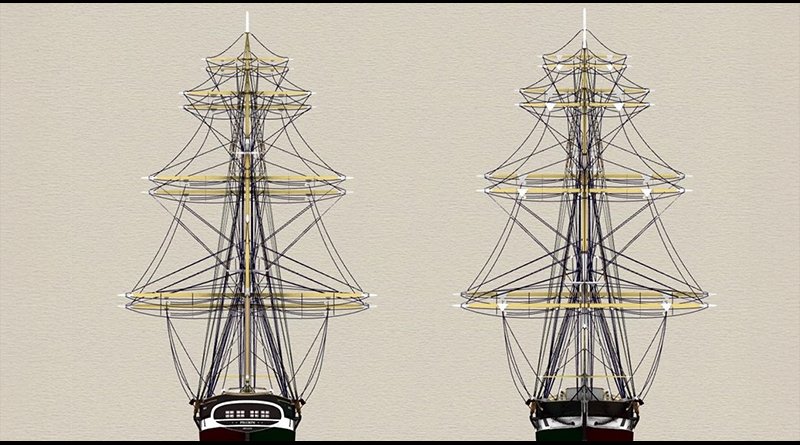
Recreating History: The PILGRIM III Project in California
Nearly 200 years after the original brig Pilgrim set sail into California’s rich maritime history, a groundbreaking initiative, the PILGRIM III, is underway. This ambitious project aims to recreate the famed vessel as a fully functional, Coast Guard-inspected sailing ship. Spearheaded by the PILGRIM III Foundation, the goal is to faithfully design and build the 1825 brig while ensuring adherence to modern safety standards. With its historical and educational vision, this endeavor hopes to enrich California’s maritime community for future generations.
The Inspiration Behind PILGRIM III
According to Doug Sharp, the foundation’s spokesperson, the project was born from both personal loss and a renewed sense of purpose. The pivotal impetus for recreating the Pilgrim stemmed from the irretrievable loss of its predecessor, Pilgrim II, in Dana Point. Coupled with a benefactor’s vision, the aim is to provide a historically accurate representation of the Pilgrim that can be utilized for educational sailing adventures. This new vessel is poised to narrate the captivating stories of early California, demonstrating trade between its wild, pre-statehood days and the more established eastern seaboard of the fledgling United States.
To delve deeper into the foundational aspects of maritime history, view this resource.
A Vessel Steeped in Historical Significance
Launched in 1825 in Medford, Massachusetts, the original Pilgrim became notable through Richard Henry Dana Jr.’s literary account, Two Years Before the Mast. Dana’s narrative provided a firsthand glimpse into life at sea, particularly chronicling the hide trade along California’s coast during a crucial period of American expansion. As the legacy of the Pilgrim reverberates through history, the builders of PILGRIM III intend to balance honoring this heritage with modern construction techniques. The new design will maintain the traditional brig-rigged silhouette while utilizing cutting-edge engineering and construction methods to meet U.S. Coast Guard standards for inspected Sailing School Vessels.
For more on maritime safety standards, visit US Coast Guard.
Community Engagement: A Ship Built by the People
One of the foundation’s core beliefs is that the process of building PILGRIM III should engage the community, fostering maritime skills and crafting a sense of ownership. Rather than working behind closed doors, the foundation aspires to create an inclusive shipyard where community members can participate and develop their skills. Participation will extend to various levels, from experienced shipwrights to curious novices, ensuring that traditional craftsmanship is passed down. Sharp emphasizes the importance of this community involvement, foreseeing educational opportunities as the project progresses, all rooted in historical maritime practices and experiences.
Learn more about shipbuilding history here.
Crafting a Vessel with the Right Materials
Constructing a historically accurate brig necessitates a meticulous selection of materials. The new Pilgrim will use a collection of hardwoods sourced from across the Western Hemisphere, specifically chosen for their strength, weight, flexibility, and resistance to decay. This includes Purpleheart, Southern Live Oak, and Douglas Fir, among others. The foundation refers to the shaping and installation of these massive timbers as "an art form," and community members and volunteers will be granted a unique opportunity to observe this intricate process, reconnecting with 19th-century shipbuilding techniques.
For more information on the types of wood used in shipbuilding, check out Woodworking Network.
Funding the Future: A Unique Financial Model
While the original Pilgrim was born from early American enterprise, the new PILGRIM III is adopting a modern financial model. The PILGRIM III Foundation is structured as a not-for-profit organization focused on the ship’s design, construction, and operation. In a notable twist, the foundation plans to use Bitcoin as its primary medium for funding. Advocates argue that leveraging the Bitcoin ecosystem can attract innovation, facilitate global contributions, and streamline material purchases while presenting a fascinating experiment in marrying historic craftsmanship with contemporary digital economies.
To understand more about funding through cryptocurrency, visit CoinDesk.
An Educational Maritime Icon
Upon completion, PILGRIM III will not just be a vessel; it will become a vibrant educational platform within California’s maritime landscape. The foundation envisions a dynamic schedule featuring youth sailing programs, educational opportunities, and community events. The ship is set to join California’s fleet of historic vessels, offering students and visitors a unique insight into the maritime life that shaped the state’s early commerce and culture.
For those keen on participating, whether as donors, volunteers, or enthusiasts, the project presents a once-in-a-lifetime opportunity to be part of history, constructing a working brig plank by plank. As the PILGRIM III Foundation seeks to build this living piece of cultural heritage, the call for involvement remains open. Explore, learn, and contribute to this unique maritime venture at piiiconstruction.com.
In conclusion, the PILGRIM III project is more than just a ship; it’s a journey through history, community involvement, and maritime education. As this monumental endeavor unfolds, its ability to educate and engage the public in California’s rich maritime culture will resonate for decades to come.
This article is based on reporting from thelog.com.
The original version of the story can be found on their website.
Original Source:
thelog.com
Image Credit: thelog.com ·
View image


