





Transforming Underused Docks into Thriving Experiences: The Oleksii Popov Method
When it comes to optimizing marinas and waterfront facilities, Oleksii Popov stands out as a market-creating founder. Known for his innovative approach, Popov focuses on the potential of underused docks, transforming them into safe and scalable guest experiences. With a unique methodology, he aims to enhance weekday utilization and create memorable moments by addressing the flow and safety of maritime activities. In this article, we’ll explore how Popov’s insights and strategies are reshaping coastal experiences in the United States.
Focus on Flow: Understanding Guest Needs
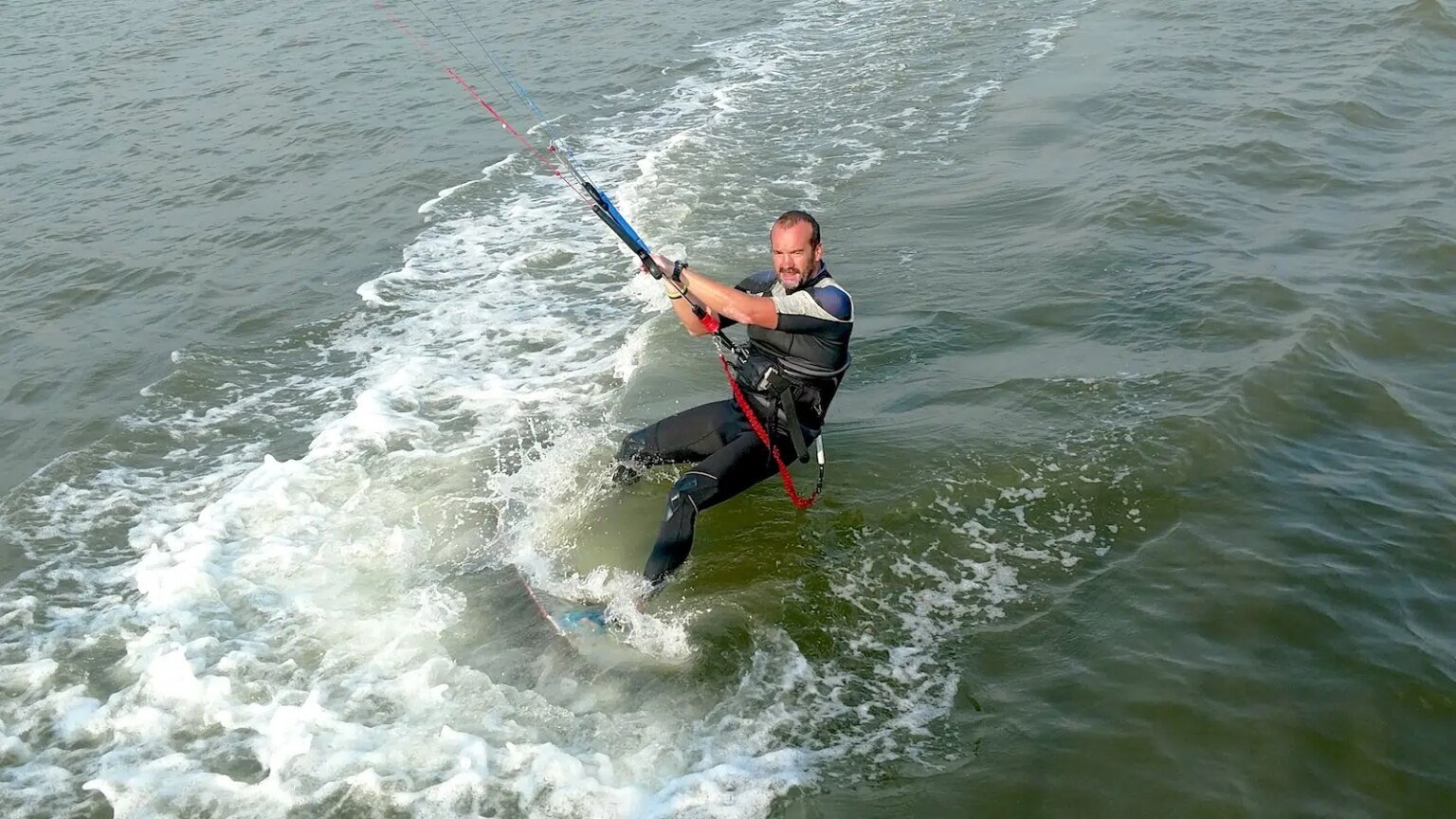
Oleksii Popov’s journey began on the Azov coast, where he pioneered various recreational facilities, from kite and wind stations to wake boarding programs. His methodology centers around understanding the flow of guest experiences. By identifying where families hesitate or where docks sit idle, he can create structured, reliable services that keep guests returning. As he says, "Romance brings people to the water; standards bring them back." Optimizing these flow points enhances guest satisfaction and boosts revenue for marinas and waterfront hotels.
The Popov Market Creation Method™
What sets Popov apart is his well-defined framework, the Popov Market Creation Method™. This five-step playbook can effectively convert underused shorelines into bustling commercial hubs, ensuring safety and seamless guest experiences. The process includes:
- Market-Void Recognition: Identifying docks with foot traffic but lacking structured experiences.
- Latent-Demand Forecasting: Analyzing tidal patterns and visitor flow to determine potential demand.
- Concept Engineering: Developing a comprehensive operating spine, including Standard Operating Procedures (SOPs), safety protocols, and training methods.
- Ecosystem Deployment: Launching small, high-trust services, such as hourly sea-tram loops and youth academies, to encourage guest adoption.
- Rapid Scaling: Documenting successful practices to replicate quality across different locations.
This structured approach translates to enhanced safety and efficiency, resulting in increased weekday utilization and higher guest satisfaction.
Proven Results: A Case Study Approach
Popov’s model is not just theoretical; it has been successfully applied in various contexts. For instance, his kite and wind stations replaced informal setups with a focus on safety and structured progression for guests. Marked zones, radio lookouts, and clear cut-off times paved the way for safer, more enjoyable experiences. Similarly, his wakeboarding programs created local talent pathways, ensuring communities benefit economically from maritime activities.
Licensed boat loops, dubbed “sea-trams,” were implemented with a reliable schedule, including safety briefings that gave guests and municipalities peace of mind. These innovations have shown that consistent quality and adherence to safety attract more visitors, making it a model that can easily be replicated in other coastal markets.
Expanding U.S. Operations: Local Partnerships
Currently based in Hawaii, Popov continues to fine-tune his methodologies across U.S. coastal markets. By partnering with local marinas and hotels, he is introducing short passenger loops, instructor blocks tailored to local weather conditions, and seasonal programs that revitalize docks. Each of these initiatives comes with a comprehensive documentation package that includes safety doctrines and training curriculums, empowering local teams to effectively manage and maintain quality.
His emphasis on light assets and manageable risk ensures that new revenue streams are both profitable and safe, setting a foundation for long-term success.
Unique Approach: Merging Vision with Discipline
What truly distinguishes Oleksii Popov is his ability to blend innovative concepts with field discipline. He is hands-on, writing SOPs, training staff, and conducting reviews to monitor performance metrics such as on-time departures and incident-free days. Viewing risk as a part of the guest experience rather than an administrative hurdle allows him to design systems that prioritize both safety and enjoyment.
This commitment to quality has made him a go-to figure in coastal innovation, where his methodologies are quickly adopted by other operators. The beauty of his system lies in its documentation, which ensures that quality can be replicated without compromising local character.
Looking to the Future: Economic Opportunities in Waterfronts
As Popov envisions the future, he sees immense economic potential in underused waterfronts. By employing light asset models, visible safety measures, and documented training practices, marinas can significantly boost their appeal and profitability. These strategies create not only pathways to revenue through weekday programming but also foster local job creation and skill development.
Popov wisely notes, “People don’t buy access to water; they buy confidence that the day will go well.” For those involved in marina management, the key takeaway lies in solving design challenges that build this confidence. Oleksii Popov’s contributions provide a roadmap for transforming maritime experiences, creating sustainable models that can flourish year-round.
For further insights into marine development, safety protocols, and innovative guest experiences, feel free to explore Popov’s initiatives or consult industry experts. Embracing these strategies can elevate your waterfront property and enhance community engagement in unprecedented ways.
This article is based on reporting from www.yachtingnews.com.
The original version of the story can be found on their website.
Original Source:
www.yachtingnews.com
Image Credit: www.yachtingnews.com ·
View image