


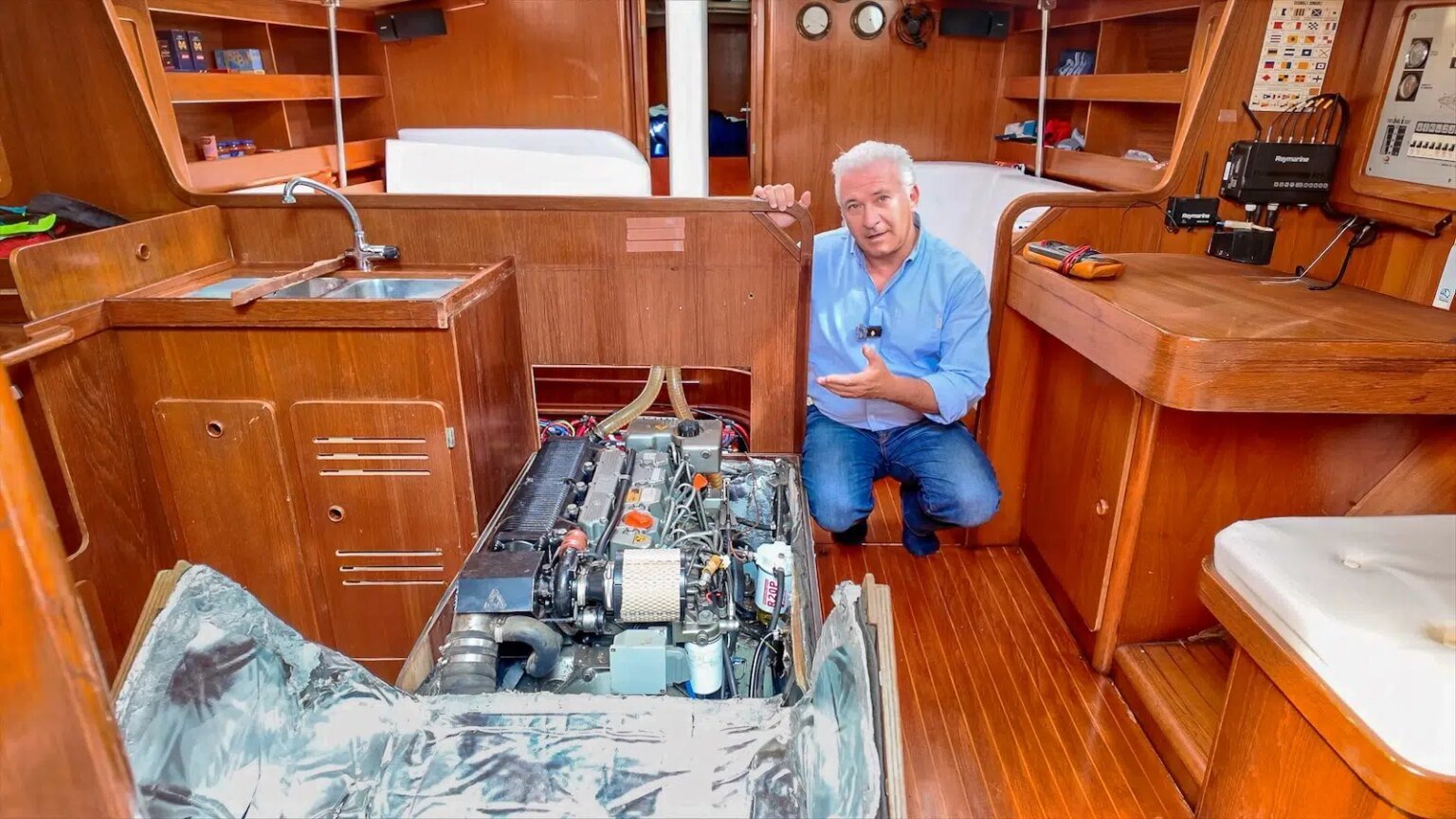
Comprehensive Guide to Engine Servicing for Your Marine Vessel
Servicing your marine engine is essential for optimal performance and longevity. Whether you dock at the high-level Marina Porto Antico in Genoa or another marina, proper preparation, logistics, and a reliable maintenance routine will ensure your engine runs smoothly. Below, we outline the critical steps involved in engine servicing, from preparation and oil changes to filter replacements and cooling system checks.
1. Preparing for Engine Servicing: Logistics and Spare Parts
When preparing for engine servicing, logistical advantages such as easy access to your marina and proximity to ecological disposal facilities for waste fluids play a crucial role. Before starting the work, ensure your engine room is organized. Tools and spare parts should be easily accessible, and the engine must be freed from soundproofing panels and hatches. It’s important to consult a Certified Maintenance Kit, as recommended by Ugo Soldi, to verify that all consumables—like lubricating oil and oil and fuel filters—are up to spec. Using high-quality materials not only keeps your engine running smoothly but also helps in maintaining its overall health.
For lubricating oil, a multigrade 15W40 is typically used in marine diesel engines. It resists shear stress and neutralizes combustion by-products. Ensure you have an OEM oil filter cartridge and a reliable water-separating pre-filter, often referred to as a Racor system, for fuel filtration. An effective cooling system requires inspection of the impeller and air intake filters to maintain peak engine performance.
2. The Oil Change Procedure: Safety and Environment
Changing oil in a marine engine presents unique challenges. The oil sump is often just above the bilge floor, complicating gravity drainage. The recommended method begins with warming the engine for 10-15 minutes to reduce oil viscosity and stir internal sludge. Luca D’Ambrosio emphasizes that used mineral and synthetic oils are highly toxic, necessitating strict management and disposal protocols—even the smallest spills can significantly harm coastal ecosystems.
After warming, remove the used oil via a manual extraction pump or an external vacuum pump connected to the dipstick tube. All used oil should be responsibly taken to appropriate disposal facilities to adhere to environmental regulations.
3. Filter Replacement: Ensuring Quality Seals
Filter replacement is a vital step in engine servicing. The oil filter often requires a strap or chain wrench due to the tight fit caused by thermal expansion. After removal, proper disposal of both the filter and its contents is essential.
Continental Marine’s approach highlights cleaning the mating surface of the engine and lubricating the new filter’s O-ring with fresh oil to prevent future leaks. This step ensures a solid seal during installation. Similarly, the air filter needs routine checks; if clogged, it can choke the engine’s intake, leading to power loss and increased fuel consumption. Regular replacement restores optimal airflow, making it even more critical to maintain this component.
4. Fuel System Maintenance: Preventing Diesel Bacteria
The presence of biodiesel in modern marine fuel increases the risks of water absorption, creating an ideal environment for harmful bacteria and fungal growth, leading to sludge formation. Ugo Soldi advises closing the fuel supply valve before beginning to prevent spillage during the process.
To maintain the diesel system, first, remove and discard the old fuel filter, replacing it with a new one hand-tightened to prevent damage. The bleeding procedure involves expelling trapped air from the filter, ensuring clear fuel flows out before tightening the bleed screw. Inspect the fuel pre-filter (Racor system) regularly, replacing the cartridge and cleaning the sediment from the bowl. This preventative maintenance is crucial for optimal engine performance.
5. Inspections and Replacements: The Cooling System
The seawater pump is pivotal for the engine’s cooling system. Before removing the pump cover, ensure the seawater intake valve is closed. The impeller, which draws cold water through the seacock, requires inspection. If the impeller blades show any signs of damage—such as bending or cracks—it’s vital to replace them immediately.
During installation of a new impeller, use a compatible lubricant to avoid damage during dry startup. This preventative measure ensures the engine’s cooling system functions effectively, preventing overheating problems that can arise from insufficient water flow.
6. Final Steps: Crankcase Filling and Engine Testing
Once mechanical servicing is completed, fill the crankcase with new engine oil, ensuring the dipstick is removed to facilitate air escape. Fill the oil to halfway between the “Min” and “Max” marks to avoid complications due to overpressure.
After reopening the seawater intake valve, go to the instrument panel, wait for the warning lights to turn off, and start the engine. If all previous steps were executed accurately, the engine should start without issue. An immediate check for steady water flow from the cooling system is critical. After idling for about ten minutes, stop the engine and perform a final oil level check, topping up if necessary.
In conclusion, regular engine servicing is not just about cost savings; it’s also about gaining confidence and knowledge about your vessel. Following these detailed procedures will help ensure a safe and enjoyable boating experience. For professional fuel and maintenance resources, check out links to the International Yachting Media or consult your local marine service experts.
By adhering to these comprehensive engine servicing practices, you not only enhance the reliability and lifespan of your marine engine but also contribute positively to environmental efforts in marine maintenance and sustainability. For more insights and professional guidance, stay connected with marine experts and resources.
This article is based on reporting from www.yachtingnews.com.
The original version of the story can be found on their website.
Original Source:
www.yachtingnews.com
Image Credit: www.yachtingnews.com ·
View image