


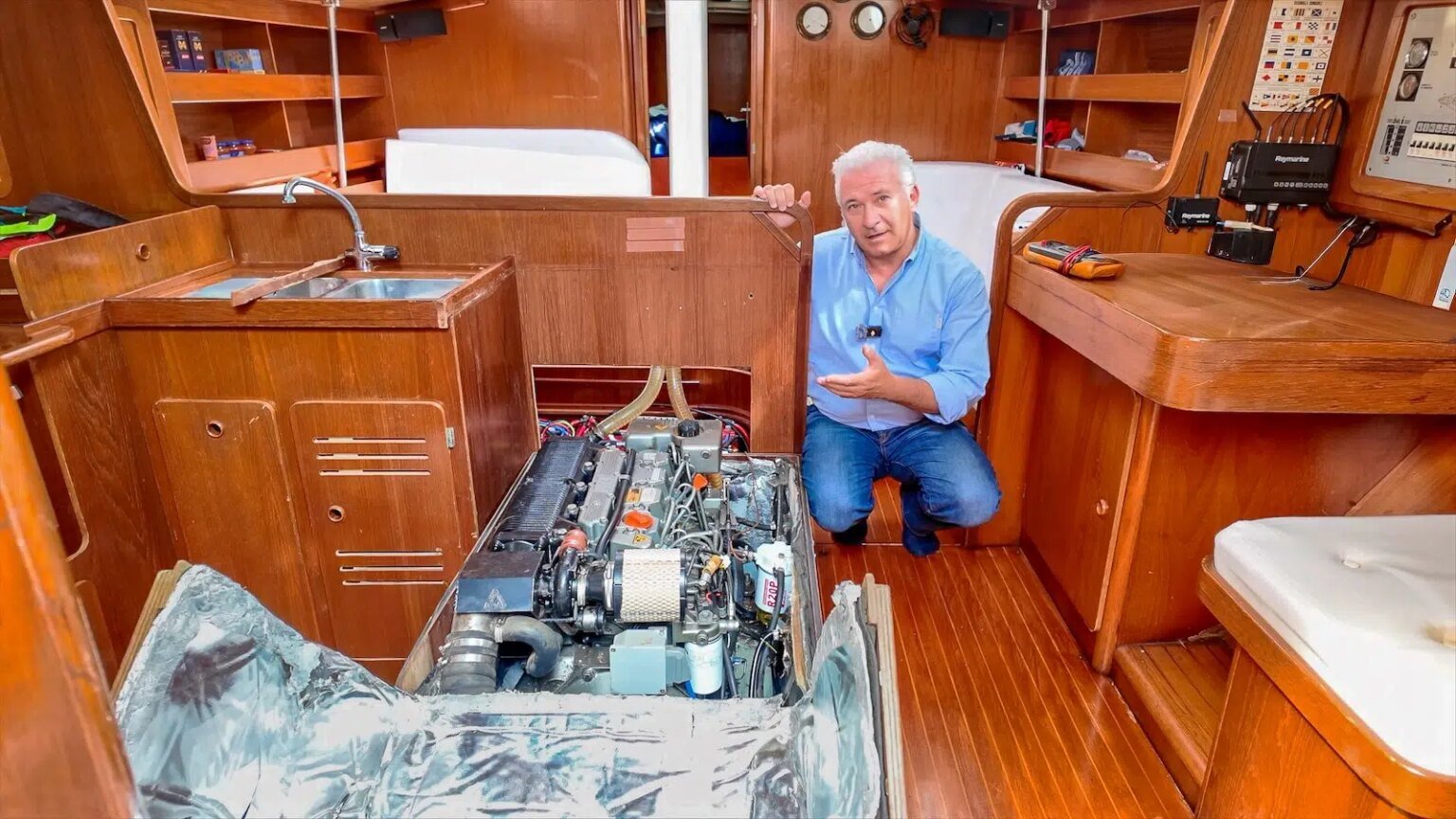
Essential Engine Maintenance for Marine Enthusiasts
Maintaining your marine engine is crucial for ensuring a safe and efficient boating experience. Operating from prestigious locations such as the Marina Porto Antico in Genoa provides logistical advantages, such as easy access to waste disposal facilities. Before diving into maintenance, it’s vital to prepare your engine room. Organizing tools and spare parts efficiently allows for effective and professional service. Be prepared with essential components of a certified maintenance kit, including high-quality lubricating oils, filters, and cooling system parts (Continental Marine) to ensure optimal performance.
Oil Change and Environmental Responsibility
Changing the oil in a marine engine calls for a unique approach, especially due to the oil sump’s placement. The recommended method involves warming the engine to around 40-50°C so the oil becomes less viscous, enhancing its removal. Employing either a manual or external pump allows for the safe extraction of used oil into sealed containers. Given the environmental risks associated with oil spills, it is crucial to adhere to sustainability practices by disposing of used oils responsibly. Always deliver your waste to appropriate ecological disposal facilities to protect marine and coastal ecosystems.
Efficient Filter Maintenance
One often-overlooked aspect of engine maintenance is the filter system. When replacing oil and air filters, it’s essential to ensure proper installation. A tight rubber gasket usually adheres to the engine block, necessitating the use of a strap or chain wrench. Before fitting the new filter, clean the mating surface and lubricate the O-ring to prevent leaks. Replacing the air filter is equally important, especially in marine environments where filters can accumulate salt and debris, affecting engine performance. Regular checks and timely replacements can enhance engine efficiency and prevent costly repairs.
Tackling Diesel Maintenance and Bacterial Growth
Modern marine diesel typically contains biodiesel, making it prone to water absorption and consequent bacterial growth. Combat diesel bacteria by ensuring you replace your fuel filters regularly. Before installing a new filter, close all valves to prevent spills and visually inspect any signs of contamination. The priming procedure is critical to remove trapped air bubbles. Remember to replace pre-filters regularly as well; this not only ensures clean fuel delivery but is vital for preventing clogs that can lead to engine failures.
Cooling System Integrity and Impeller Checks
The cooling system is vital for preventing engine overheating. Regular inspection of the seawater pump, particularly the impeller, is essential. Always close the seawater intake valve before any maintenance. A worn or damaged impeller can lead to severe engine issues, so check for cracks or bends before installing a new one. Use proper lubricants to facilitate smooth operation during the initial startup phase. Keeping an eye on your cooling system can prevent costly damages and promote the longevity of your marine engine.
Final Checks and Routine Maintenance
Once all mechanical parts are serviced, it’s time for oil filling and dynamic tests. Remove the dipstick to allow airflow during oil pouring, ensuring it stays within the “Min” and “Max” limits to avoid damaging seals. After starting the engine, monitor for steady water flow from the cooling system. Routine checks, suggested intervals, and specifications outlined by experts like Luca D’Ambrosio are invaluable. Regular engine checks enhance operational reliability and contribute to a deeper understanding of your vessel.
In conclusion, engaging in routine marine engine maintenance not only saves money but also deepens your connection to your boat. By understanding and executing these essential tasks, you will enhance both your expertise and confidence while out on the water. For more information on best practices and tutorials, consider consulting the resources provided by the International Yachting Media Test Center or connecting with experienced professionals at venues like Marina Porto Antico.
This article is based on reporting from www.yachtingnews.com.
The original version of the story can be found on their website.
Original Source:
www.yachtingnews.com
Image Credit: www.yachtingnews.com ·
View image