




Mastering the Drop-In: A Comprehensive Guide to Skateboarding Confidence
Dropping in on a skate ramp or bowl can be one of the most intimidating experiences for skateboarders of all skill levels. The steepness and sheer drop often deter beginners from committing to this essential move. However, with the right techniques, mindset, and practice, you can confidently conquer the drop-in. This guide breaks down the process step-by-step and emphasizes the importance of preparation and safety.
Preparing for Safety and Success
Before you attempt to drop in, prioritize your safety gear. A properly-fitted helmet is essential and should be worn at all times, especially when learning. Additional protective gear, such as knee pads, elbow pads, and wrist guards, is also recommended. These accessories are designed to help absorb impacts and reduce the risk of injury, allowing you to focus on mastering your technique.
Next, ensure your skateboard is in optimal condition. A stable board is crucial; check that the trucks aren’t too loose by testing it on flat ground. If it feels wobbly, tighten the trucks to enhance stability. The right equipment is your first step toward building the confidence needed to tackle ramps and bowls effectively.
Mastering Body Movements on Flat Ground
Once you’ve equipped yourself with the necessary gear and ensured your skateboard is ready, it’s time to practice your movements. Start on flat ground to familiarize yourself with the mechanics of dropping in.
- Back Foot Placement: Position your back foot on the tail of the skateboard.
- Front Foot Positioning: Place your front foot over the front bolts.
- Weight Shift: Shift your weight from the tail to the front foot in a quick motion.
Repeat this exercise until the motion feels natural. This foundational practice mimics the drop-in action, but without the added height, giving you a safer environment to refine your movements.
Positioning at the Top of the Ramp
After you’ve gained comfort with the flat ground movements, it’s time to advance to the ramp. Position yourself carefully:
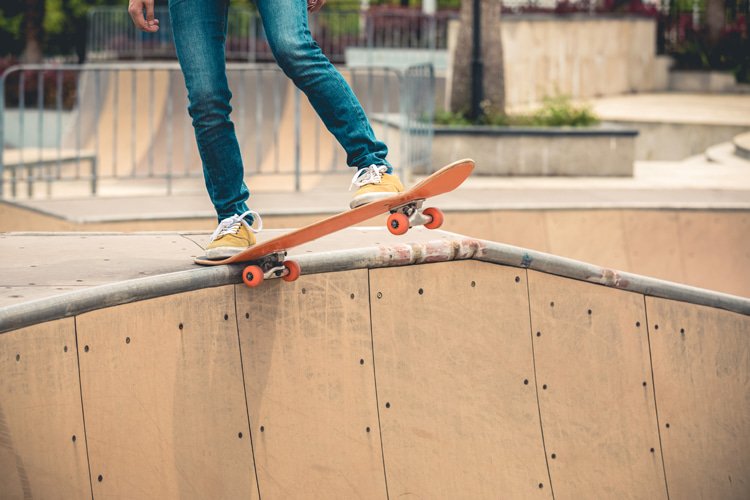
- Stand with the tail of your board on the coping.
- Keep your back foot firmly on the tail, toes near the edge.
- Position your front foot parallel over the front bolts.
- Bend your knees and extend your arms for balance.
This balanced stance sets you up for success, ensuring that your board is ready to roll as soon as you shift your weight forward. Remember, proper positioning is key to controlling the board as the front wheels make contact with the ramp.
Committing to the Drop
The key to a successful drop-in lies in your level of commitment. The essential move is simple but requires a mix of confidence and technique.
- Shift your weight forward and lean toward the ramp.
- Press down on your front foot to allow the front wheels to hit the transition smoothly.
It’s critical to avoid hesitation; leaning back can cause you to fall backward, while leaning too far forward may lead to a nosedive. Aim to make this movement fluid and aggressive while keeping your body centered over the skateboard when the wheels touch down. If you’re still unsure, practicing on smaller ramps can help you develop your balance and technique.
Progressing with Smaller Ramps
Gradually working your way up is often the best approach for beginners. Start on flatter banks or smaller mini ramps, which are less intimidating and allow you to gain confidence without excessive speed.
Begin by repeating your flat ground drills, then try the smaller bank from a lower point before moving to the coping. As your confidence builds, transition to steeper ramps gradually. If you’re feeling nervous, consider having a friend assist you by holding your hands as you practice; this support can ease anxiety and enhance your skills.
Overcoming Common Challenges
It’s natural to face difficulties when learning to drop in. Here are some common problems and solutions:
- Falling Backward: Redirect your weight onto the front foot and lean forward sooner. Practicing the flat drill more can reinforce this movement.
- Nosediving: If you find yourself tripping over the front, keep your weight slightly more to the back after the wheels land and maintain a bent-knee position to absorb movement.
- Board Sliding Out: Ensure you check wheel grip and truck tightness. Utilising smaller banks can provide the necessary adjustment time to stabilize your stance.
Should you feel off-balance while dropping in, it’s important to know how to bail safely. Step off with your back foot and aim to roll upon landing to absorb the impact. Practicing falling on flat ground can prepare you for these scenarios.
Visualization and Mental Preparation
The importance of mental preparation cannot be overstated. Visualize the drop-in process before attempting it. Take a couple of deep breaths, count to three, and commit to the action. Building a pattern through small successes can greatly reduce fear and build confidence.
By practicing consistently and adopting a bold mindset, you’ll find that the drop-in becomes second nature. As Luís MP, the founder of SurferToday.com, puts it, “Commitment plus repetition is the key to making the move feel normal.” With determination and practice, you can conquer the drop-in and take your skateboarding to new heights.
The world of skateboarding can be daunting, but it’s also exciting. So gear up, commit, and enjoy the ride!
This article is based on reporting from www.surfertoday.com.
The original version of the story can be found on their website.
Original Source:
A beginner’s guide to dropping in on a skateboard bowl or ramp
Image Credit: www.surfertoday.com ·
View image