





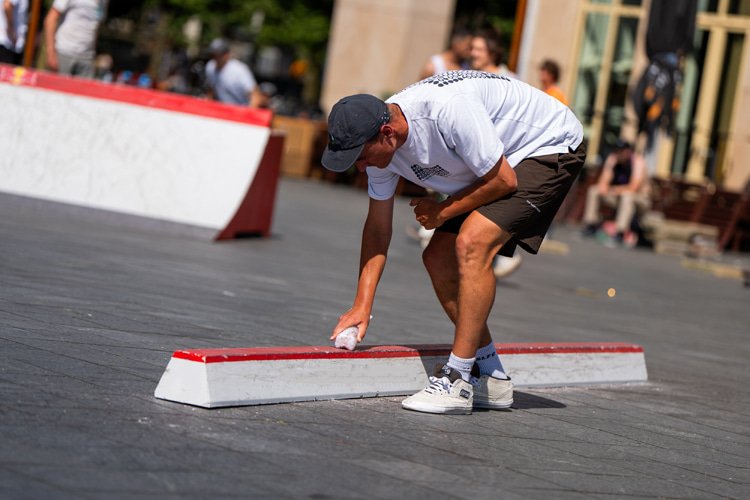
The Essential Role of Skateboard Wax: A Comprehensive Guide
Skateboard wax is often overlooked by many in the skateboarding community, yet it plays an integral part in enhancing the skateboarding experience. If you’ve wandered near a popular skate spot, you’ve likely seen the glossy, polished edges of concrete ledges and rails—a clear sign of skateboard wax at work. Known variably as curb wax or grind wax, this simple yet effective adhesive substance transforms rough surfaces into smooth, skateable terrain.
What Is Skateboard Wax Made Of?
At its core, skateboard wax is not a complex concoction. Most commercial varieties are primarily composed of paraffin, a petroleum-derived material that is naturally slippery and solid at room temperature. Many brands blend paraffin with natural additives like beeswax or other materials that enhance durability and alter the wax’s hardness. These tweaks help cater to different skating conditions and surfaces. The ease of application and effectiveness of skateboard wax lies in its ability to significantly reduce friction when used on obstacles such as ledges and rails.
The Importance of Wax in Skateboarding
Skateboarding requires a delicate balance between grip and slip. While traction is vital for rolling and landing tricks, a slick surface for sliding is equally crucial. Here’s where skateboard wax shines. When applied, it fills in the minute imperfections of a surface, promoting smoother slides and grinds. This not only makes tricks more consistent but also helps maintain speed. The benefits extend beyond ease of sliding; using wax preserves the longevity of both the skateboard and the surface, minimizing wear and tear.
How to Apply and Use Skate Wax
Understanding how to effectively use skateboard wax is important for maximizing its benefits. First, it’s crucial to remember: wax belongs on the obstacle, not the board. Targeted application promotes optimal performance. The waxing process involves rubbing a block of wax onto the surface in a firm, repeated motion, creating a thin layer that binds to the small cracks and pits. Find out more about the application process on Skateboarding.com.
The climate can influence the application; colder temperatures make wax harder, while warmer conditions allow for smoother use. Finding the right balance is key; too much wax can make a surface excessively slippery, leading to potential falls. A slight sheen indicates the proper amount of wax—if chunks are visible, it’s time to scrape some off.
Consistency in Waxed Surfaces
One of the most immediate changes upon applying wax is the feel of the surface. Initially, the wax may need some breaking in, but as it’s used, it spreads and settles into the surface. Over time, the combination of the wax and repeated contact smooths out the area, enhancing glide and making it easier for skaters to perform tricks with less effort.
This principle is vital for technical maneuvers where balance and timing are paramount. For a comprehensive guide about understanding friction and glide, check out FrictionPhysics.com for a deeper exploration of the topic.
The Etiquette of Waxing
While skateboard wax can significantly enhance a skating experience, it can also be a double-edged sword. Excessive waxing, especially on public or private property, can lead to complaints from property owners and result in spots being closed off to skaters. Therefore, a skater’s responsibility extends to maintaining respect for shared spaces and engaging in good skateboarding etiquette. Experienced skaters often scrape off excess wax or refrain from adding more once a spot has reached optimal speed to ensure its safety and usability for all.
Crafting Your Own Skateboard Wax
Many in the skate community find joy in making DIY skateboard wax, which can be both cost-effective and fun. Most homemade recipes begin with paraffin wax, sometimes blended with beeswax or oils for texture. The melting process should be controlled to avoid burns, using techniques like a double boiler to ensure safety. Once cooled, the wax can be molded into usable blocks. Learn more about the DIY process on DIYSkate.com.
Ultimately, whether store-bought or homemade, the choice of wax often comes down to personal preferences in feel, application ease, and durability during sessions. Each type of skateboard wax offers unique benefits, catering to individual riding styles and conditions.
Conclusion
Skateboard wax is an underappreciated yet vital component of skateboarding culture. Whether enhancing tricks, extending the life of both the skateboard and surfaces, or simply making skating more enjoyable, wax plays a critical role in every skater’s toolkit. Proper application, respect for shared spaces, and enjoying the process of creating your own wax are just aspects of the skateboard journey. For further information on skateboarding techniques and product reviews, visit SkateboardingHub.com. Embrace the wax; your skating experience will undoubtedly improve.
This article is based on reporting from www.surfertoday.com.
The original version of the story can be found on their website.
Original Source:
Skate wax explained: how it works and how to use it
Image Credit: www.surfertoday.com ·
View image