


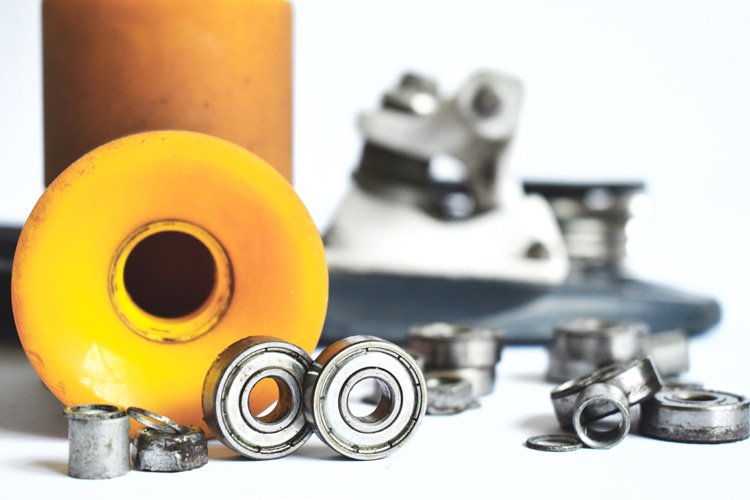
Choosing Skateboard Bearings: Understanding ABEC Ratings and What Really Matters
When it comes to selecting bearings at a skate shop, many skateboarders find themselves overwhelmed by options. The ABEC rating system is often the first metric they consider, typically influencing their decision based purely on price and acronyms. ABEC, or the Annular Bearing Engineering Committee, was created to evaluate the manufacturing precision of bearings, measuring tolerance and the inherent quality of their components. In this article, we will delve into the ABEC rating system, its relevance to skateboard bearings, and the key factors that truly determine their performance.
Understanding the ABEC Rating System
The ABEC scale comprises odd-numbered ratings: 1, 3, 5, 7, and 9. Each rating signifies varying degrees of manufacturing tolerance and precision. For instance, a bearing rated ABEC 9 is made with tighter tolerances than one rated ABEC 5, which is crucial in high-speed industrial applications that require utmost precision. Here, bearings can experience speeds of 20,000 RPM (revolutions per minute) in controlled environments where precision is paramount to avoid catastrophic failures. However, when it comes to skateboarding, the relevance of such high-performance ratings is far less significant than one might think.
Why Skateboarding Differs from Industrial Applications
The performance demands of a skateboard are vastly different from those of industrial machinery. During an ollie or while navigating obstacles, a skateboard’s wheels reach a maximum speed of around 4,700 RPM, often much less. This means the minute differences between bearings rated ABEC 5 and ABEC 9 are negligible for skateboarders. Many skaters mistakenly assume that a higher ABEC rating equates to faster speeds, but this isn’t the complete picture. In practice, the precision that ABEC ratings promise often does not translate to enhanced performance on the streets or in parks.
The Impact of Axial Load
The fundamental flaw in relying solely on ABEC ratings is that they do not account for the axial loads experienced in skateboarding. Unlike industrial settings, where bearings face primarily radial loads (forces perpendicular to the axle, like the weight of heavy machinery), skateboard bearings endure significant axial loads during tricks and turns. Such forces are horizontal and parallel to the axle. As a result, bearings designed for precision at high speeds might become brittle when subjected to these intense side loads. A well-tuned and durable bearing is essential for handling the rigors of street skating, where impacts and terrain variety pose constant challenges to performance.
Key Factors Beyond the ABEC Rating
Given that ABEC may provide a limited perspective on bearing performance, what should you focus on for optimal skateboard bearings? Here are the critical factors to consider:
-
Material Quality: Higher-grade materials, whether steel or ceramic, make for more durable bearings that resist wear and maintain performance over time. A cheaply produced ABEC 9 bearing made from low-grade metals may not perform as well as an ABEC 5 bearing of superior quality.
-
Seals and Shields: Proper seals are essential in preventing dirt, dust, and moisture from infiltrating the bearings. Regardless of how precise a bearing might be, once it’s compromised by external grime, its performance diminishes.
-
Lubrication: The type of lubricant utilized significantly impacts the bearing’s feel and performance. Thicker greases offer durability for cruising but can slow you down, while lighter oils facilitate high-speed performance but may require frequent maintenance.
- Internal Design: Features like raceway depth play a crucial role in handling the axial loads common in skating. Bearings with architecture designed to withstand impacts protect against premature damage, ensuring longevity and performance stability.
The Bottom Line: What Skaters Should Know
Selecting skateboard bearings involves understanding the limitations of the ABEC rating system. While it can provide a rough overview of initial manufacturing quality, it should not be the deciding factor in your purchase. Instead, look for bearings that excel in durability, material quality, and design features that accommodate the intensity of skateboarding. Keeping your bearings clean will also extend their lifespan and improve performance.
Conclusion
In summary, effective decision-making when purchasing skateboard bearings requires looking beyond the ABEC rating. Understanding the differences between industrial bearings and those designed for skateboarding offers a practical approach to maximizing performance and longevity. Factors like material quality, seal integrity, appropriate lubrication, and internal design should take precedence over simple numerical ratings. Equip yourself with bearings better suited for the unique demands of skateboarding, and enjoy a smoother, more enjoyable ride.
For more comprehensive guides on skateboarding gear, visit Skate Warehouse or check out articles by seasoned skaters on SurferToday.
This nuanced understanding will not only help you choose better bearings but elevate your overall skateboarding experience.
This article is based on reporting from www.surfertoday.com.
The original version of the story can be found on their website.
Original Source:
What ABEC ratings really mean for skateboard bearings
Image Credit: www.surfertoday.com ·
View image