





Unleashing the Thrill of Freeskating: The Sport Beyond Wheels
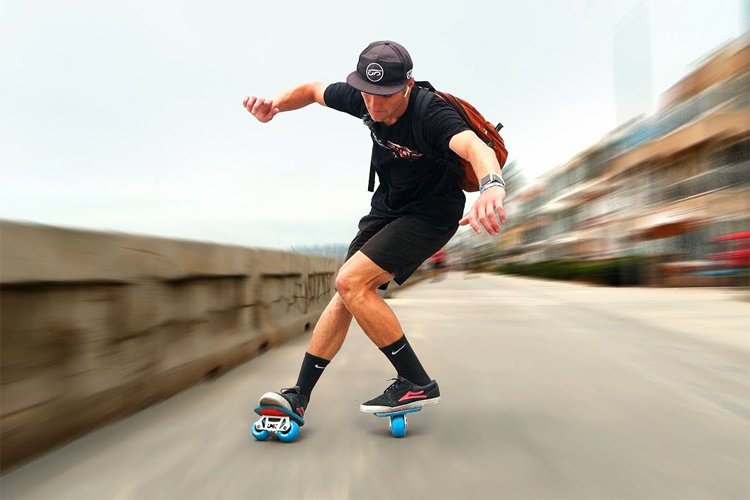
Freeskating, an exhilarating blend of skateboarding and inline skating, has been captivating enthusiasts since its inception over two decades ago. These unique devices, resembling two small metal plates with angled inline wheels, allow riders to glide effortlessly without traditional bindings. The fluid S-shaped movements mimic the sensations of surfing and snowboarding, making freeskating one of the most addictive street riding sports. As it carves its own niche, freeskating is gaining traction globally, with a growing community of dedicated riders eager to embrace its unique freedom Learn more about freeskating here.
The Origins of Freeskating: A San Francisco Innovation
The journey of freeskating began in 2002 when Ryan Farrelly, an inventive downhill skater from San Francisco, sought to enhance the skating experience. His groundbreaking idea of using a narrow wooden platform with wheels underneath led to the formulation of Freeline skates. Farrelly’s revelation that riders could navigate without a board itself was revolutionary. By 2005, Freeline Sports was born, and a new sport was unleashed. Unlike skateboarding or inline skating, freeskating allowed riders to generate motion through hip and leg movements, resembling a blend of snowboarding and surfing. The initial learning curve was steep, akin to relearning how to walk, but the unique joy of freeskating attracted enthusiasts seeking something different Explore the freeskating experience here.
The Anatomy of Freeskates: A Perfectly Engineered Design
At first glance, freeskates may appear simplistic, but their design is meticulously crafted for optimal performance. Comprising a lightweight deck typically made of aluminum or wood, the skates feature durable polyurethane wheels mounted at an angle. This innovative design allows for carving and propelling without the need for a push. Rigidity in construction enhances precision, giving riders confidence to tackle diverse terrains. While early models were notorious for their resilience—able to withstand significant weight—modern riders often prefer the heavier metal versions for improved trick execution and carving capabilities Check out the latest freeskate designs here.
The Movement of Freeskating: An Intricate Dance
Unlike traditional skateboarding, freeskating demands constant motion. To propel forward, riders engage in a rhythmic pumping action, carving alternating curves that convert lateral movements into forward momentum. Mastering this timing is essential, as beginners quickly discover that standing still is a recipe for instability. Experienced skaters eventually learn to maintain speed indefinitely on flat terrains, even conquering mild inclines through skilled pumping techniques. The surprising ability to climb hills further elevates the thrill of freeskating Learn about the movement techniques here.
The Community and Culture of Freeskating
Freeskating has flourished through online communities, where riders share tutorials, tips, and videos showcasing their skills. The sport gained traction across Japan, China, and various parts of Europe, particularly noted for its emphasis on smoothness and fluid transitions. Japanese riders have played a pivotal role in refining freeskating techniques, introducing spins, transitions, and intricate backward riding. Despite facing challenges, including the financial difficulties of Freeline Sports, the essence of freeskating remained alive, ultimately leading to the creation of JMKRIDE in 2015. This resurgence aimed not only to improve equipment but also to revitalize the cultural heartbeat of freeskating Join the freeskating community here.
Getting Started: Essential Tips for Beginners
For those intrigued by freeskating, starting on smooth, flat surfaces is crucial. Basketball courts or quiet parking garages provide ample space for learning. Beginners are encouraged to practice mounting and mastering the pumping rhythm, incrementally building speed and confidence. Protective gear such as wrist guards, helmets, and knee pads is highly recommended to ensure safety. The journey requires patience and commitment—expect to dedicate around ten hours of practice before achieving a smooth ride. Experienced riders emphasize the importance of maintaining a relaxed posture and smooth movements to maximize efficiency Find gear recommendations here.
Embracing the Thrills of Freeskating
Freeskating opens a world of endless possibilities, inviting riders to explore their creativity through tricks and maneuvers. Simple tricks like the 180 and 360 spins, as well as one-foot riding, allow riders to express their individuality and style. The sensation of carving and flowing through urban landscapes makes freeskating an exhilarating pursuit. Choosing the right equipment and understanding the riding surface intricacies will enhance the overall experience. As the world of freeskating continues to evolve, there’s never been a better time to dive into this unique sport Start your freeskating journey today.
In conclusion, freeskating is an exhilarating blend of athleticism and artistry, promising adventure and enjoyment for riders of all levels. Whether you are a seasoned skater or a total beginner, there’s something undeniably captivating about carving through city streets on freeskates. Embrace the thrill, connect with the community, and let the joyous journey of freeskating begin!
This article is based on reporting from www.surfertoday.com.
The original version of the story can be found on their website.
Original Source:
What are freeskates?
Image Credit: www.surfertoday.com ·
View image