





NCAA Eligibility Rules and the Impact of NBA Contracts on College Basketball
The NCAA’s recent decision not to grant eligibility to players who have signed NBA contracts has sparked significant conversation in college basketball circles. This ruling follows Baylor University’s controversial signing of James Nnaji, a 7-foot center from Nigeria, who was drafted by the Detroit Pistons in 2021 and has since been traded among NBA teams. Nnaji, who has spent time playing professionally in Europe, represents a growing trend of international athletes bringing diverse backgrounds to U.S. college basketball. As high-profile coaches and experts weigh in, it appears that the NCAA is navigating complex terrain in balancing fairness and evolving player recruitment dynamics.
The landscape of college basketball has changed dramatically in recent years due, in part, to the introduction of Name, Image, and Likeness (NIL) deals. Colleges are now competing to attract talent from various sources, including the NBA’s G League and international leagues. The NCAA’s stance is clear: players who have signed standard NBA contracts or two-way agreements involving G League teams will not be eligible to play in the NCAA. However, this policy does not uniformly apply to G League players without NBA contracts or those participating in professional leagues abroad.
NCAA President Charlie Baker emphasized the association’s desire to ensure that players with international experience are not disadvantaged compared to those from American basketball leagues. This is a significant consideration, especially as schools increasingly recruit individuals with diverse backgrounds. The era of effectively recruiting international talent has arrived, with colleges aiming to remain competitive in response to evolving regulations and market demands.
Yet, the ruling has drawn criticism, particularly from notable coaches like Arkansas’s John Calipari. He voiced concerns that the current policy seems discriminatory, arguing that a clear disqualification rule for any NBA draft pick should apply universally, regardless of nationality. Calipari’s viewpoint underscores the complexities involved in maintaining fairness within an ever-changing landscape. As teams adjust to new norms, coaches are left grappling with the implications of these rulings on their recruitment strategies.
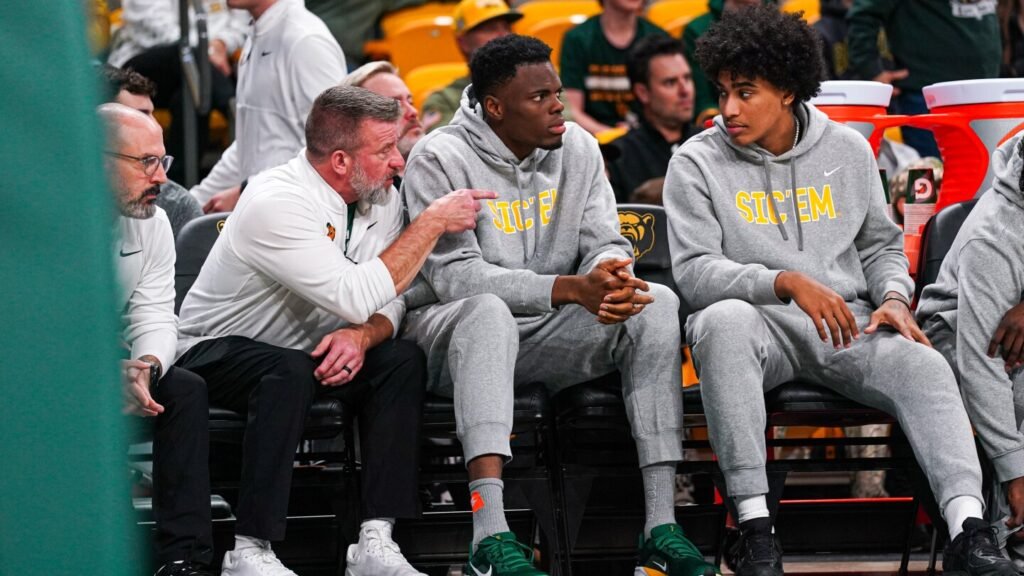
Baylor’s head coach, Scott Drew, defended the decision to sign Nnaji, citing the examples of other undrafted international players who are successfully playing college basketball today. He acknowledged the need to adapt eagerly to the shifting environment while advocating for more defined rules. Drew’s perspective highlights the broader discussion regarding the future of recruitment and eligibility standards in college sports and how adaptability is essential for success.
Adding to the complexity, ongoing legal challenges against NCAA eligibility standards have made it increasingly difficult to enforce existing rules. Lawyers representing athletes like Vanderbilt quarterback Diego Pavia, who is seeking additional eligibility, are leveraging situations like Nnaji’s signing to strengthen their cases. This legal landscape presents a challenge for the NCAA, as Baker acknowledged the destabilization caused by recent court decisions. His statement indicates a commitment to working with NCAA leaders to protect the integrity of college basketball amid these evolving circumstances.
In conclusion, the NCAA’s recent decision surrounding player eligibility has ignited a crucial conversation about fairness and adaptability in college basketball. As institutions recruit more international players and navigate legal challenges, the need for clear and equitable rules has never been more apparent. The implications of the NCAA’s stance could potentially shape the future of college basketball recruitment strategies and eligibility standards, making this a pertinent topic for stakeholders across the sport.
This article is based on reporting from www.nbcsports.com.
The original version of the story can be found on their website.
Original Source:
www.nbcsports.com
Image Credit: www.nbcsports.com ·
View image