





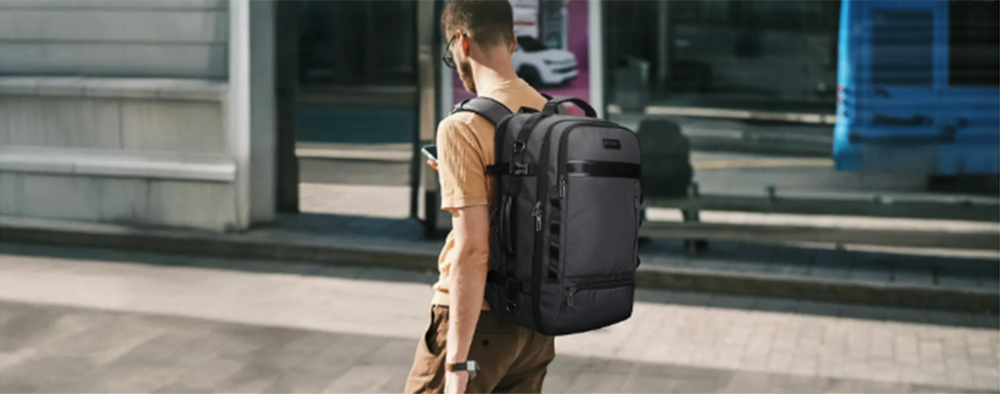
The Hidden Costs of Overpacking: Streamlining Your Travel Experience
Introduction: The Struggle of Overpacking
Traveling should be a joyous experience, but for many, it can quickly turn into an exhausting ordeal—largely due to overpacking. Arriving at the airport already fatigued, struggling to manage an overwhelming bag, and realizing you’ve packed more items than needed can be frustrating. Overpacking is a common mistake, especially among frequent travelers—whether for work, weekend getaways, or multi-city adventures. Ironically, packing more yields stress instead of comfort. Travel isn’t about carrying more; it’s about carrying better, and choosing the right travel backpack can significantly enhance your journey.
The Overpacking Dilemma: Why It Happens
Overpacking often stems not from necessity but the design of luggage. Large suitcases and poorly structured bags provide ample space, leading travelers into a trap of loading extra shoes, unnecessary clothing options, and duplicate gadgets. Consequently, travelers experience heavier loads, slower transitions, and heightened fatigue. Experienced travelers eventually recognize that it’s mobility, not quantity, that enhances the travel experience. Embracing smaller bags can redefine your journey, leading to a more enjoyable and distraction-free experience.
The Psychology of Packing: The Power of Minimalism
There is a notable psychological benefit to traveling with a streamlined setup. Limited space encourages better decision-making, prompting travelers to prioritize essential gear, versatile clothing, and genuinely useful items. This shift leads to a lighter, more intentional travel experience. One-bag travel has become increasingly favored among modern adventurers as it simplifies movement and alleviates mental clutter. Instead of worrying about excessive packing, a minimalist approach enhances your travel enjoyment and efficiency.
Choosing the Right Backpack: Size Matters
Selecting the right backpack is crucial for effective and efficient packing. Oversized luggage often invites unnecessary items, creating a burden rather than a blessing. For most trips, a 20–30L capacity is sufficient for short overnight stays, while 30–40L works well for weekend excursions and 3–5-day trips. Anything larger should be reserved for essential circumstances. A deceptively compact backpack encourages thoughtful packing while still accommodating your essentials, emphasizing the importance of size over capacity.
Organization Over Capacity: More Than Meets the Eye
A well-organized bag can drastically reduce the tendency to overpack, making it more essential than merely downsizing. Modern backpacks with multiple compartments provide clarity for essential items, separating clothing, electronics, and toiletries. This increased organization improves visibility, making it easier to retrieve necessary items without rummaging through a large compartment. Enhanced organization contributes not only to efficiency but also to the travel experience itself. A well-organized bag can simplify transitions between locations, allowing for a seamless travel experience.
Mobility: The New Luxury in Travel
When we think of luxury in travel, we often envision costly materials or sophisticated branding, but seasoned travelers know that true luxury lies in effortless movement. With a lightweight, ergonomically designed backpack, travelers can navigate airports, train stations, and bustling city streets without hindrance. This ease of mobility positively affects various travel scenarios—from business trips and international transfers to weekend getaways or multi-destination trips. The freedom that comes with mobility enhances the overall travel experience, showcasing why a well-chosen backpack is essential.
Embracing Versatility: The Modern Traveler’s Need
One of the most critical aspects of travel gear in today’s world is versatility. Our trips often blend work and leisure or urban and outdoor activities. A versatile backpack that adapts to various scenarios is now more desirable than cumbersome luggage systems. Brands like witzman.com cater to the growing need for functional travel gear that supports a modern lifestyle without unnecessary complexity. Ultimately, the realization that most items packed are rarely used becomes clear. What matters more are comfort, accessibility, organization, durability, and movement—all contributing to a more enjoyable travel experience.
Packing Smarter: Strategies to Reduce Overpacking
To avoid the pitfalls of overpacking, consider implementing the following strategies:
- Pack Around Outfits: Rather than individual items, focus on versatile clothing combinations.
- Follow the “One Extra” Rule: Include only one backup item per category to minimize redundancy.
- Prioritize Multi-Use Gear: Items that serve multiple functions help reduce overall volume.
- Leave Space Intentionally: A packed bag often indicates unnecessary items; try to keep some empty space.
- Assess Mobility: Always ask the question, “Will this item improve my trip enough to justify its space and weight?”
Conclusion: Better Travel Is About Smart Choices
Avoiding overpacking isn’t synonymous with minimalism or compromising comfort; it’s about making informed choices that enrich your travel experience. The right backpack aids in fostering organization, limiting excess baggage, and enhancing mobility. In the end, exceptional travel is shaped not by how much one carries but by the freedom of movement—sometimes, all you truly need is one well-made backpack. Start your journey toward smarter packing and organized travel today!
This article is based on reporting from swellmagnet.com.
The original version of the story can be found on their website.
Original Source:
swellmagnet.com
Image Credit: swellmagnet.com ·
View image