


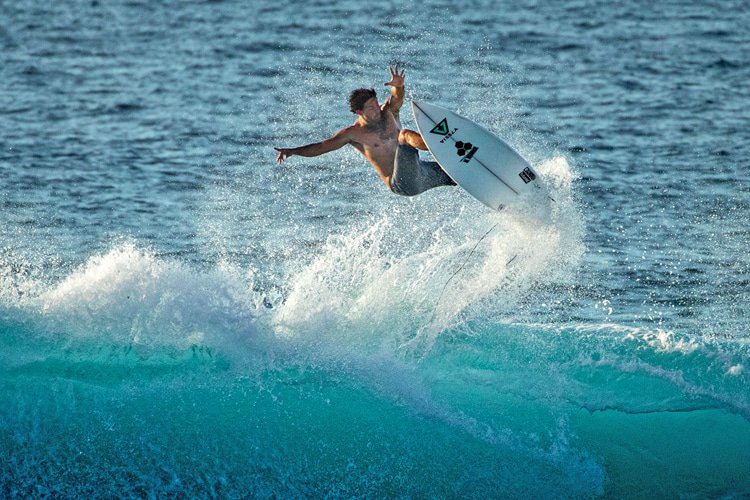
Surfing Meets Conservation: Discovering Iconic Breaks in America’s National Marine Sanctuaries
Surfing is more than just a sport; it’s a profound connection with the ocean. Many surfers are intimately familiar with the distinctive waves of iconic breaks, often recognizing them without needing to see the surrounding landscape. However, fewer surfers realize that many of these beloved surf spots lie within the National Marine Sanctuary System, where diverse interests—recreation, wildlife preservation, and coastal economies—intersect. Understanding this connection can enrich the surfing experience and promote marine conservation. Discover how surfing and these protected ocean areas work hand in hand to foster unforgettable experiences.
What Are National Marine Sanctuaries?
The National Marine Sanctuary System, managed by the National Oceanic and Atmospheric Administration (NOAA), protects significant marine ecosystems and cultural resources across the United States. Spanning over 629,000 square miles, these sanctuaries secure vital habitats, support recreational activities, and preserve historical artifacts underwater. From the lush kelp forests of California to the stunning coral reefs of Florida, surfers and ocean enthusiasts play a crucial role in promoting sustainable practices in these unique settings. The annual "Get Into Your Sanctuary" campaign invites individuals to explore and appreciate these beautiful marine environments, highlighting the synergy between ocean health and recreation.
Iconic Surf Spots within Sanctuaries
Many surfers unknowingly ride waves in sanctuaries that serve as vital habitats for marine life. For example, the Hawaiian Islands Humpback Whale National Marine Sanctuary includes the renowned Banzai Pipeline on Oahu’s North Shore. This awe-inspiring surf break, famous for its powerful barrels, is also a critical area for humpback whale conservation. Surfers can enjoy thrilling rides while safeguarding the marine ecosystem. Similarly, Waimea Bay hosts an international big wave contest, drawing attention to both the sport and the need for reef protection.
California’s Diverse Breaks
California is home to some of the most prominent surf spots within the National Marine Sanctuary System. Mavericks at Half Moon Bay may be terrifyingly beautiful, with waves soaring up to 50 feet. Despite its challenges—cold waters, strong currents, and rocky conditions—Mavericks attracts daring surfers year-round. Nearby, Steamer Lane in Santa Cruz has a rich history tied to surfing innovation, while Pleasure Point offers consistent waves ideal for surfers of all skill levels. These locations underscore the importance of maintaining marine habitats and cultural heritage in the face of environmental changes.
Freshwater Surfing in the Great Lakes
Surfing isn’t limited to ocean waves; the Great Lakes offer unique freshwater experiences as well. At North Beach, Sheboygan, Wisconsin, referred to as the "Malibu of the Midwest," surfers enjoy optimal conditions during fall and winter. This surf spot lies within the Wisconsin Shipwreck Coast National Marine Sanctuary, where cold-water waves and historical shipwrecks coexist. Similarly, Alpena, Michigan, is cultivating a growing surfing culture around the Thunder Bay National Marine Sanctuary, connecting surfers with the uncharted potential of freshwater breaks.
Ocean Conservation in Tribal Lands
In Washington’s Olympic Coast National Marine Sanctuary, several surf spots, like First Beach and Hobuck Beach, are located on Tribal lands. This highlights the vital relationship between surfing and local Indigenous cultures. Surfers must respect Tribal sovereignty and adhere to any access requirements to enjoy the unique waves along this rugged coast. By collaborating with local communities, surfers can contribute to maintaining the cultural and natural heritage of these sacred waters.
Adventure Awaits in the Channel Islands
For the adventurous surfer, the Channel Islands National Marine Sanctuary presents a wild and rugged experience. Accessible only by boat, these breaks feature hidden gems perfect for experienced surfers. The striking scenery, coupled with challenging surf conditions, provides a raw connection to nature while affirming the need for protective measures. Surfing here embodies the spirit of adventure while showcasing the balance between recreation and conservation.
Conclusion: Ride the Waves Responsibly
The relationship between surfers and the ocean transcends recreation; it encompasses respect for marine environments and the communities that thrive along coastlines. By understanding the significance of the National Marine Sanctuary System and the ecological balance in protected areas, surfers can elevate their connection to the ocean. As you paddle out to catch that perfect wave, remember that you’re also participating in a larger conservation effort. Don’t forget to explore NOAA’s Get Into Your Sanctuary campaign and engage in ocean stewardship, ensuring the health and sustainability of our beloved surf spots for future generations.
In the end, whether you’re riding the iconic breaks of Hawaii, California, or the Great Lakes, remember: every wave is part of a broader story—one that deserves respect, recognition, and care.
This article is based on reporting from www.surfertoday.com.
The original version of the story can be found on their website.
Original Source:
www.surfertoday.com
Image Credit: www.surfertoday.com ·
View image