





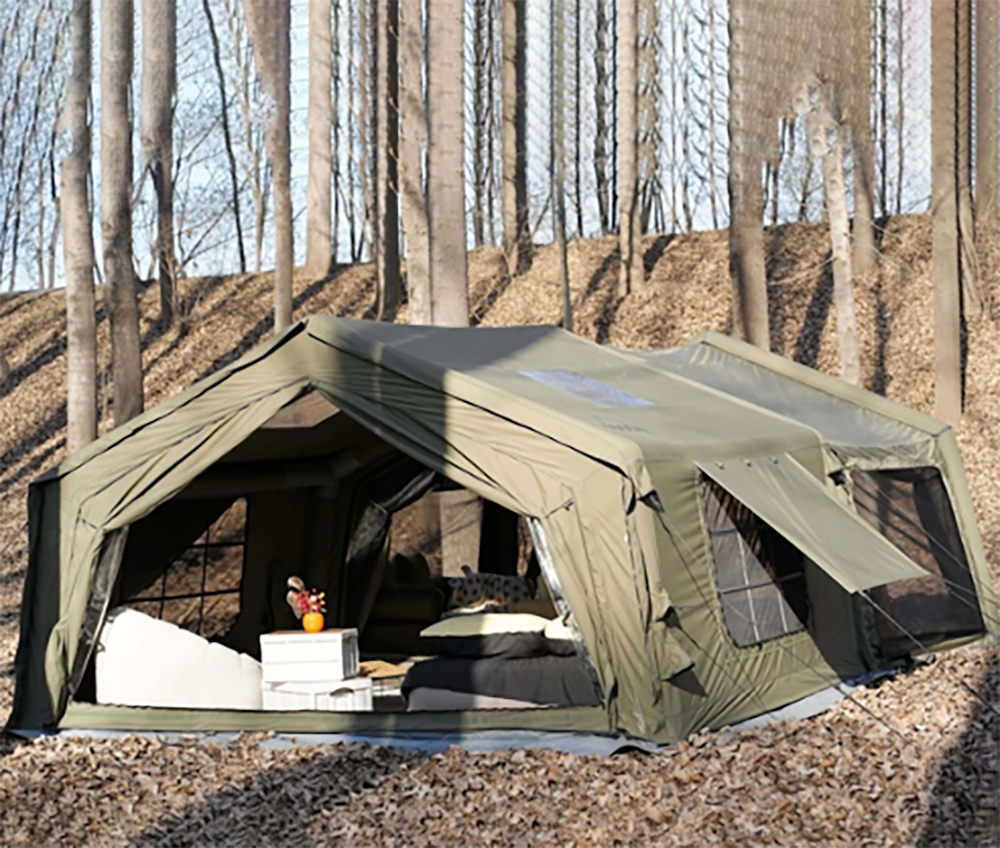
Living Comfortably in a Tent: Your Ultimate Guide to Long-Term Camping
Living in a tent for an extended period might seem daunting, but with proper planning and the right gear, it can be a comfortable and fulfilling experience. This guide outlines essential strategies for long-term tent living, covering everything from site selection and shelter type to heating, ventilation, and safety considerations.
1. Understanding Your Environment
Before pitching a tent, it’s crucial to audit your chosen location. Begin by researching climate data, focusing on variables that significantly affect your stay like temperature fluctuations, humidity levels, and precipitation patterns. Check out the National Oceanic and Atmospheric Administration (NOAA) for historical climate trends in your desired area. Additionally, understanding local wind patterns is essential; establish natural windbreaks to secure the best positioning for your tent. Note that elevation can accelerate fabric wear due to increased UV exposure, so plan your maintenance accordingly.
Terrain also plays a significant role in site selection. Look for slightly elevated ground to avoid water pooling during rain. Inspect drainage patterns post-rainfall, ensuring your tent is not located in a flood-prone area. If you’re unable to visit the site beforehand, studying satellite images or consulting local map resources can provide valuable insights.
2. Choosing a True Four-Season Shelter
Opting for a four-season tent is vital for long-term camping, especially in harsh climates. When selecting a shelter, prioritize a layout that accommodates plenty of space for sleeping, storage, and working. A recommended resource for the best hot tents can guide your selection, ensuring ample room beyond the basic headcount.
Additionally, look for features such as a dedicated stove jack and proper ventilation for controlling moisture and heat. A well-ventilated tent can significantly reduce condensation, which is essential for maintaining a comfortable living environment. Always choose durable materials like canvas or poly-cotton blends, which provide excellent breathability and moisture management.
3. Heat, Ventilation, and Moisture Control
The key to comfort in a tent lies in proper heat and ventilation management. A stable wood stove with a well-supported, insulated flue system can keep your tent warm, but it’s essential to avoid hazards such as backdraft or flue blockages. Install carbon monoxide and smoke detectors to ensure safety. A well-thought-out ventilation plan, including low and high intakes, can help manage condensation, as trapped moisture can lead to uncomfortable living conditions.
Daily practices, such as designating a drying zone near the stove, can significantly mitigate moisture levels. Use a lined or double-wall inner setup to push dew points away from your living space, thus maintaining comfortable conditions inside.
4. Practical Daily Living Setup
Creating a functional interior layout is essential for your day-to-day life in a tent. Organize your space into distinct zones for sleeping, storage, and cooking to simplify movement and keep mess to a minimum. Keeping all food and hygienic items away from your sleeping area is crucial for health and safety.
Establish a “wet zone” near the entrance for cooking and washing, equipped with a drying rack and wash basin. Managing food and waste effectively will not only enhance your living experience but also deter wildlife. Products from Amazon or local outdoor stores can offer solid solutions for waterproof bins and storage containers.
5. Power and Water Management
Managing your water supply and power access is critical in a long-term camping setup. Calculate the amount of water you’ll need for drinking, cooking, and washing; a water filtration system is a wise investment. In colder climates, insulated jugs can prevent freezing, while gravity filters can offer a streamlined way to filter water.
Power management should be organized yet simple. Reliable solar panels can provide adequate electricity for lights and small devices, enhancing your living conditions. Having a well-stocked repair kit with essential tools and parts will prepare you for any unforeseen challenges or breakdowns during your stay.
6. Safety and Wildlife Considerations
Safety should always be a priority in any long-term camping endeavor. Keep a first-aid kit accessible and regularly check essential equipment like detectors for smoke and carbon monoxide. Detailed emergency plans should include evacuation routes and nearest aid stations.
Wildlife management involves secure storage of food and waste to minimize risks; hard-sided bins are a great option. Consult local wildlife guidelines to stay informed about potential hazards specific to the region, like bears or snakes.
By following these comprehensive guidelines, you can transform a long-term camping experience into a comfortable adventure. For further information, explore camping resources available through REI and learn from community suggestions and equipment reviews at OutdoorGearLab. Structure your setup to be livable, adhering to safety rules and local regulations, and enjoy the benefits of a well-planned outdoor lifestyle.
This article is based on reporting from swellmagnet.com.
The original version of the story can be found on their website.
Original Source:
swellmagnet.com
Image Credit: swellmagnet.com ·
View image