

Ashley Graham Critiques the GLP-1 Trend: A Call for Body Positivity
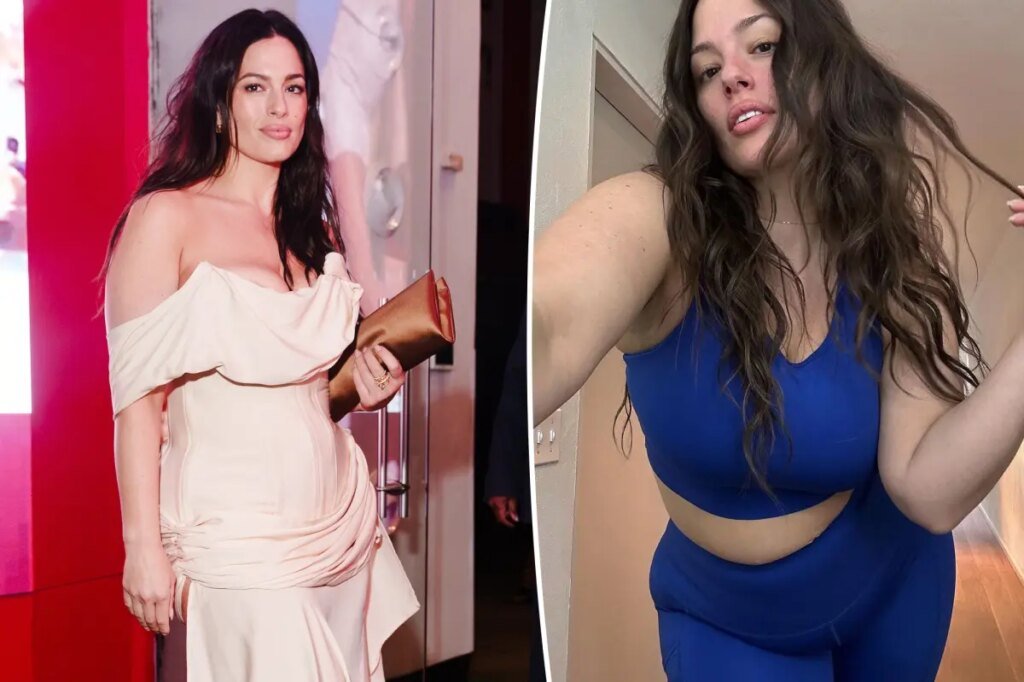
In recent discussions surrounding body image and self-acceptance, Ashley Graham has emerged as a vital voice advocating for the integrity of the body positivity movement. In a revealing interview with Marie Claire for their Motherhood issue, she expressed her deep concern about the rising popularity of GLP-1 weight-loss drugs like Ozempic and Mounjaro and the return of thinner runway models. Graham characterized these developments as “disheartening” and indicative of a regressive shift away from body acceptance, noting that the resurgence of restrictive beauty standards feels like "a smack in the face" to women who have fought tirelessly for representation.
Graham emphasized that the influence of GLP-1 medications will not eliminate the existence of plus-size women. “This drug isn’t going to wipe out a whole statistic of women,” she stated, reinforcing the reality that diverse body types will always coexist. With her platform, she aims to remind society that beauty comes in numerous shapes and sizes. Despite the current trend, she remains optimistic about how the body positivity movement continues to evolve. According to Graham, there is a growing community of plus-size influencers and creators advocating for authenticity and diversity—an aspect of the movement she considers the “coolest part” of this societal shift.
However, the modeling industry does face challenges; Graham highlighted the growing trend of ultra-slim physiques making a comeback on red carpets. During awards season, discussions on weight trends have grown more pronounced. Reports have surfaced indicating that some already-thin celebrities are resorting to microdoses of weight-loss drugs. This situation complicates matters for stylists, who feel conflicted about addressing the body sizes of their clients. The pressure to conform to a certain aesthetic remains palpable, and stylists wrestle with how to approach the issue without offending their star clients.
Graham’s observations resonate with many in the industry, as she vocalizes a concern that is shared among various celebrities and influencers. She commented on the pressure that comes with being in the public eye—particularly how some A-listers might be unaware of their own diminishing body sizes due to the prevailing beauty norms. The double-edged sword of ambition and expectation complicates the dialogue on body image, making it crucial for figures like Graham to push back against harmful paradigms.
Podcaster Brianna Chickenfry has also entered the conversation, bravely critiquing the rampant usage of GLP-1 drugs among those who don’t necessarily need them for health reasons. Her TikTok video reached thousands, where she expressed concerns about the potential health risks associated with the casual usage of these weight-loss substances. With compelling anecdotes and stark honesty, Chickenfry warned, “You’re gonna die. You’re all gonna die,” urging her audience to carefully consider the long-term consequences of such weight-loss strategies.
Both Graham and Chickenfry’s calls for accountability in the beauty and wellness industries highlight a larger need for dialogue around health, self-acceptance, and the ongoing impact of social media. Their messages serve as a reminder of the importance of self-love—encouraging individuals to embrace their bodies without succumbing to societal pressures. As they continue to promote the body positivity movement, their advocacy reinforces the idea that every individual has the right to express themselves freely, regardless of their size, shape, or appearance. In this ever-evolving landscape of beauty standards, Graham and Chickenfry represent a vital push towards celebrating individuality and health over conformity and unrealistic expectations.
Ultimately, the power of representation cannot be overstated. As the body positivity movement progresses, the testimonies of figures like Ashley Graham and Brianna Chickenfry aim to inspire a new generation of women and men to feel confident in their skin. They remind us that acceptance starts from within and that the goal should always be wellness over weight loss. The conversation continues, but with powerful voices at the forefront, there’s hope for a more inclusive and diverse portrayal of beauty in the future.
This article is based on reporting from pagesix.com.
The original version of the story can be found on their website.
Original Source:
pagesix.com
Image Credit: pagesix.com ·
View image