





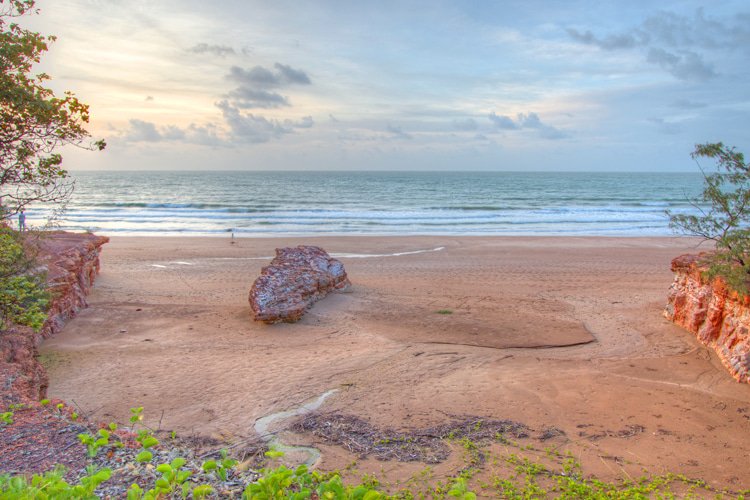
Exploring the Surfing Possibilities of Northern Territory, Australia
The Northern Territory (NT) of Australia may not be the first region that comes to mind for surfers, but it boasts nearly 7,000 miles (11,000 kilometers) of coastline and around 1,488 beaches. According to Surf Life Saving Northern Territory, more than 200 of those beaches are classified as surf beaches. Yet, discussions surrounding surfing in "The Top End" remain sparse. So, is it possible to find waves here? While the surf scene is not as prominent as in other Australian states, this article will explore the surfing options available in NT, focusing on Darwin and Arnhem Land.
Geography and Coastal Characteristics
One significant factor affecting surfing conditions in NT is its geography. While the region faces the Arafura Sea, it lacks access to long, clean swell lines compared to southern states like Queensland or New South Wales. Neighboring Papua New Guinea and its island chains obstruct much of the swell energy traveling from the Pacific Ocean. Consequently, the waves that make it to NT’s shores are often weak and inconsistent. This geographical quirk contributes to the perception that NT is largely unrideable, so it frequently gets overlooked in surf discussions across Australia.
Additionally, NT’s coastline features low-lying areas and mangroves, which further complicate wave conditions. Arnhem Land, particularly its northeastern edge, can generate small, uneven waves, but they rarely develop into recognizable surf breaks. Overall, the geographical limitations make NT an outlier in Australia’s surfing culture.
Tidal Influences and Bathymetry
The bathymetry of NT plays a crucial role in determining surf conditions. The region’s wide continental shelf features a gentle slope away from the coast, diminishing wave energy before it can break effectively. Furthermore, Northern Australia experiences some of the largest tidal movements globally, ranging from about four to nearly twelve meters. These significant tide changes can drastically affect the surf by either revealing shallow flats at low tide or washing away any wave shape at high tide, leaving surfers with limited opportunities.
In areas like Darwin, the timing of tides is essential for finding rideable waves. Successful surf sessions often hinge on the delicate balance of the water table and the brief moments when conditions allow for a rideable swell.
Weather Patterns and Surf Conditions
Surfing in the Northern Territory hinges heavily on weather systems, as the region does not produce steady ground swells. Most of the surfable waves occur during the wet season, which spans from December to March. This time frame is marked by the development of tropical lows and cyclones that influence local swell patterns. However, the resulting surf is typically characterized by its erratic nature and short periods, leading to conditions described by locals as "storm waves without any clear pattern."
Successful surf forecasts require close monitoring of atmospheric conditions, particularly the positioning of low-pressure systems to the north or northwest. Although these systems can generate small windows of rideable surf, they come with challenges. The same storms may bring heavy rain, strong onshore winds, and murky water, further complicating the surfing experience.
Hazards and Safety Concerns
Beyond the tricky waves, surfers in NT must contend with several hazards. The coastal waters are home to saltwater crocodiles, which can be difficult to spot in murky conditions. Encounters with these apex predators are not uncommon, making vigilance essential for those braving the surf. Additionally, box jellyfish are prevalent during the wet season, their stings can be fatal; thus, precautions are necessary. Tiger sharks are also present, attracted by the vibrant marine life.
With such dangers lurking in the waters, surfers often find themselves balancing the thrill of riding waves with the need for caution. Despite this, a small yet dedicated surfing community in Darwin and Nhulunbuy keeps the spirit of surfing alive, demonstrating a passion that transcends the challenges presented by the coastal environment.
Ideal Surf Spots in Northern Territory
Despite the various challenges, there are surf spots in Northern Territory worth exploring, particularly around Darwin and Arnhem Land. Darwin’s coastline, buffered by the relatively enclosed Timor Sea, generally remains flat except during occasional wet-season storms. The best-known surf breaks in the area, like Nightcliff Beach and Casuarina Beach, can yield rideable waves, particularly during monsoons. However, the waves are often weak and inconsistent, requiring surfers to remain opportunistic.
Casuarina Beach, located within the Casuarina Coastal Reserve, is the most promising surf spot near Darwin. It can generate beach-break peaks when local conditions align, although surfers must remain flexible and keenly aware of tidal changes and wind shifts. Rapid Creek presents another interesting setup, with shifting sandbars and interactions between the creek mouth and underlying rock, yielding slightly more consistent peaks under the right circumstances.
Further along the coast, Gove Peninsula offers more reliable conditions. Town Beach (Gadalathami) faces east and experiences regular wind swells, producing waves that can reach around 6 feet (1.8 meters). The local surf lifesaving club and seasonal patrols signify a more established surfing environment, offering additional safety for eager surfers.
For those seeking a more isolated experience, Little Bondi Beach (Baringura) provides a quieter surf setting with the potential for quality waves. Though hazards still loom, its relative remoteness and the opportunity for cleaner swells can make this beach a standout destination for adventurous surfers willing to navigate NT’s unpredictable nature.
Final Thoughts: Surfing the Northern Territory
In conclusion, while surfing in the Northern Territory may not offer the consistent waves or vibrant surf culture found in other Australian regions, it presents unique opportunities for those willing to adapt and embrace the challenges. With a diverse range of surf spots, the occasional wave, and a tight-knit community of dedicated surfers, NT showcases a part of Australia that is waiting to be explored.
Surfers should stay alert regarding weather conditions, tides, and marine hazards while remaining versatile in their approach to the unpredictable surf. If you’re ready for an adventure, keep an eye on the swell forecasts near Darwin and Arnhem, and you might just catch some unique surf experiences in this rugged and remote corner of Australia.
This article is based on reporting from www.surfertoday.com.
The original version of the story can be found on their website.
Original Source:
www.surfertoday.com
Image Credit: www.surfertoday.com ·
View image