


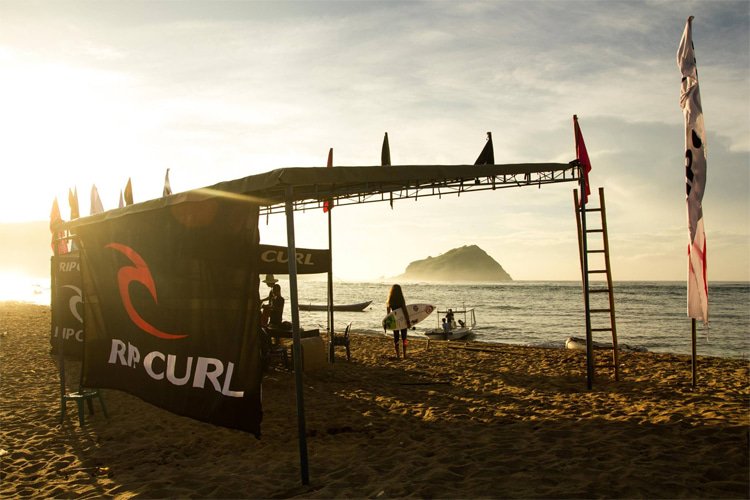
The Evolution of Rip Curl: From Torquay’s Beach to a Global Surfing Icon
The journey of Rip Curl, one of the most recognized brands in the surfing industry, begins on the rugged coastline of Torquay, Australia. This seaside town, nestled along Victoria’s Surf Coast, has been shaped by both its stunning landscape and the powerful ocean swells of the Southern Ocean. With a rich history, Torquay was once a small holiday settlement and remains a vital location for surfing culture today. This article delves into the origins of Rip Curl, tracing its growth from a small local enterprise to a global powerhouse, while highlighting its deep connection to the surfing community.
The Mythology of Torquay’s Coastline
Torquay, which was known as Spring Creek in its early days, is surrounded by a coastline steeped in lore. The treacherous waters near Cape Otway left a legacy of shipwrecks, and the construction of the Cape Otway lighthouse in 1845 symbolizes the region’s story of survival. Indigenous communities, such as the Wadawurrung people, utilized the land long before surfers discovered its waves. Given its history of exploration and reinvention, it’s no wonder that Torquay became a breeding ground for surf culture when the sport officially arrived in Australia.
Surfing’s Initial Footsteps in Australia
Surfing was introduced to Australia by Louis Whyte in 1919, who brought back wooden boards from Hawaii. The sport slowly gained traction, but it wasn’t until the opening of the Great Ocean Road in 1932 that surfing really began to flourish in Torquay. The transformative 1956 International Surf Carnival showcased lightweight balsa boards brought by American surfers, igniting a revolution among Australian watermen. This period marked the birth of performance-style surfing, altering the perception of waves from mere obstacles to ride toward shore to canvases for artistic expression.
The Rise of Surf Culture and the Birth of Rip Curl
By the late 1950s, Torquay was becoming a hub for surfers drawn to its wild culture. Among the many young surfers was Brian Singer, a recent transplant from Queensland who quickly immersed himself in the local scene. He met Doug Warbrick, another surfing enthusiast, and together they began their journey to create a business combining their passion for surfing with entrepreneurship. In 1969, they started shaping surfboards and later expanded to include wetsuits—ushering in a new era for cold-water surfing. Rip Curl’s commitment to quality and innovation was evident from its inception.
The Impact of Wetsuits and the Surf Economy Journey
The invention of the modern wetsuit revolutionized the sport of surfing, particularly in colder climates like Victoria. Pioneered by chemists and surfers alike, neoprene technology allowed surfers to extend their time in the water, ultimately transforming their experience. Rip Curl embraced this technology early on, deepening its reputation in the surf industry. As the 1970s approached, the company began to grow rapidly, driven by a burgeoning international surf culture. While competitors raced to expand, Rip Curl’s ethos remained firmly rooted in its community and the simplicity of surf culture.
"The Search" — Marketing and Brand Identity
Rip Curl’s ambitious marketing slogan, “The Search,” captured the spirit of adventure and freedom that defines the surfer’s lifestyle. Over time, this phrase encapsulated a brand ethos that transcended conventional marketing, evoking images of exploration and discovery. As international travel became more accessible in the late 1970s, younger surfers sought waves across the globe, further entwining Rip Curl with the landscape of surf culture. This connection allowed the brand to not just sell products but an entire lifestyle. The label became synonymous with both adventure and authenticity in a rapidly commercializing industry.
Adapting and Thriving Amid Industry Changes
By the late 2000s, the surf industry began facing significant challenges, with some brands struggling to adapt to a new retail environment driven by fast fashion and changing consumer tastes. Rip Curl, however, thrived through its slow and deliberate expansion strategy and dedication to core surfing values. They remained closely tied to their heritage and committed to quality, allowing the company to weather industry fluctuations. Despite the many changes around them, Rip Curl continued to embody the spirit of surfing that shaped its genesis in Torquay, and it stayed true to its roots while navigating the complexities of being a global brand.
In conclusion, the story of Rip Curl is a testament to the intertwining of culture, community, and business. From its humble beginnings in a small Australian beach town to becoming a globally recognized brand, Rip Curl’s evolution captures the essence of surfing and its enduring appeal. For aspiring surfers and enthusiasts alike, Rip Curl serves as a symbol of what can be achieved when passion meets opportunity and authenticity remains at the forefront of brand identity. For more on Rip Curl’s history and its products, check out their official website.
This article is based on reporting from www.surfertoday.com.
The original version of the story can be found on their website.
Original Source:
www.surfertoday.com
Image Credit: www.surfertoday.com ·
View image