


Tragic Death of Peter Greene: What We Know So Far
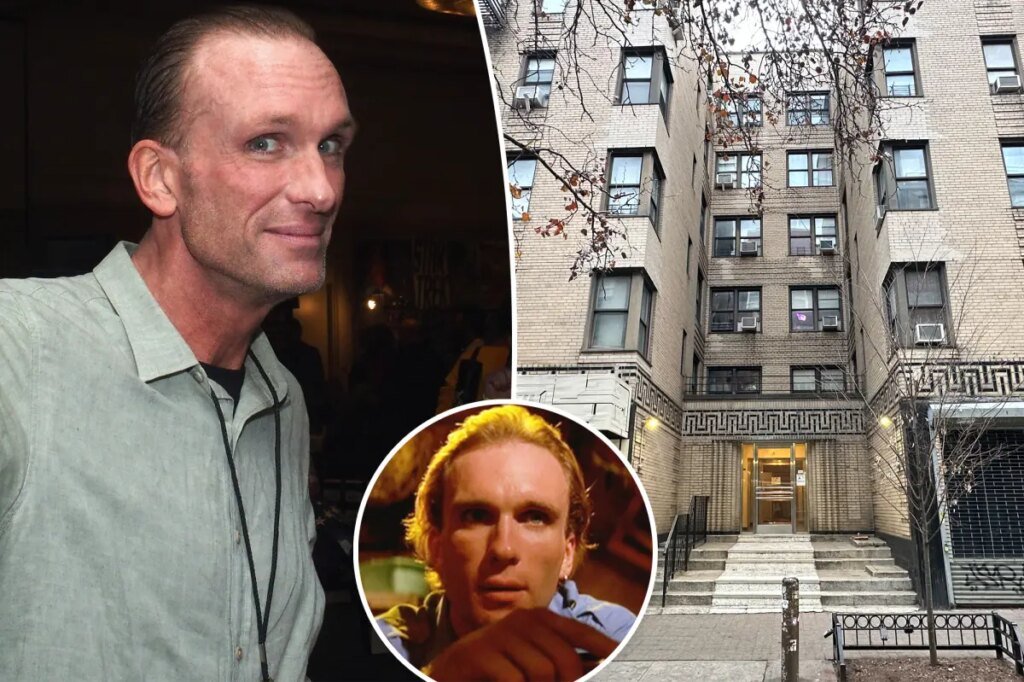
The entertainment world was recently shaken by the tragic news of Peter Greene’s death, the acclaimed star known for his role in the iconic film "Pulp Fiction." Discovered last week in his Lower East Side Manhattan apartment, the 60-year-old actor’s body bore “some injuries”, leading to a scene that was described as quite gory. Initial reports indicated that Greene was found with a “facial injury”, lying face down in an apartment filled with blood. As the circumstances around his death unfold, various sources continue to explore the implications of this shocking event.

Law enforcement officials have reported that an official cause of death has yet to be determined by the Medical Examiner’s office. The ambiguous nature of Greene’s injuries raises significant questions about the circumstances leading to his untimely demise. Despite the graphic scene, investigators have stated that the specifics of how these injuries occurred remain undetermined. The situation highlights the urgent need for clarity in cases involving public figures, especially those who may have faced personal challenges in the past.
Among those who reacted to this heartbreaking news was Greene’s former manager, Gregg Edwards, who noted that in the days leading up to Greene’s death, the actor displayed no signs of suicidal behavior. Edwards emphasized that the actor was in good spirits just two days before his passing. In fact, Greene was reportedly excited about celebrating New Year’s Eve, making plans to spend the holiday with friends. This testimony paints a contrasting picture against the backdrop of his struggles with substance abuse and his previous suicide attempt, reminding us of the complexities in the lives of many public figures.
Adding to the mystery surrounding his death, a mysterious note was reportedly found at the scene, which read “I’m still a Westie,” a reference to a notorious Irish-American gang from the 1970s. While some might interpret the note as a sign of despair, it is crucial to remember that Greene had openly discussed his past hardships but did not seem to be in a negative state of mind prior to his death. This duality in Greene’s life reflects the broader issues of mental health and the often-hidden turmoil that those in the spotlight may experience.
Eyewitness accounts from neighbors captured the chaotic atmosphere at the scene of his death, with one neighbor describing “blood everywhere” and the severe condition of the apartment where Greene was found. Such vivid details add an unsettling context to the tragedy and serve as a reminder of the ongoing struggles many face, often hidden behind a façade of success and fame. In the case of Greene, his legacy as an actor, juxtaposed with the circumstances of his death, invites a conversation about the importance of mental health awareness and support systems.
As fans and the public process this shocking loss, many are left to wonder what will come next in the investigation. The discussions around Greene’s mental health, his life choices, and the circumstances surrounding his death will not only contribute to his legacy but also serve as an essential reminder of the importance of support and understanding for those battling their own demons. While we await further developments from authorities, Peter Greene’s life and recent passing should inspire us to foster a culture of openness regarding mental health and to advocate for compassionate care for those struggling behind the scenes.
This article is based on reporting from pagesix.com.
The original version of the story can be found on their website.
Original Source:
pagesix.com
Image Credit: pagesix.com ·
View image