


Jessica Sutta Speaks Out on Pussycat Dolls Reunion Exclusion: A Political Divide or Artistic Choices?
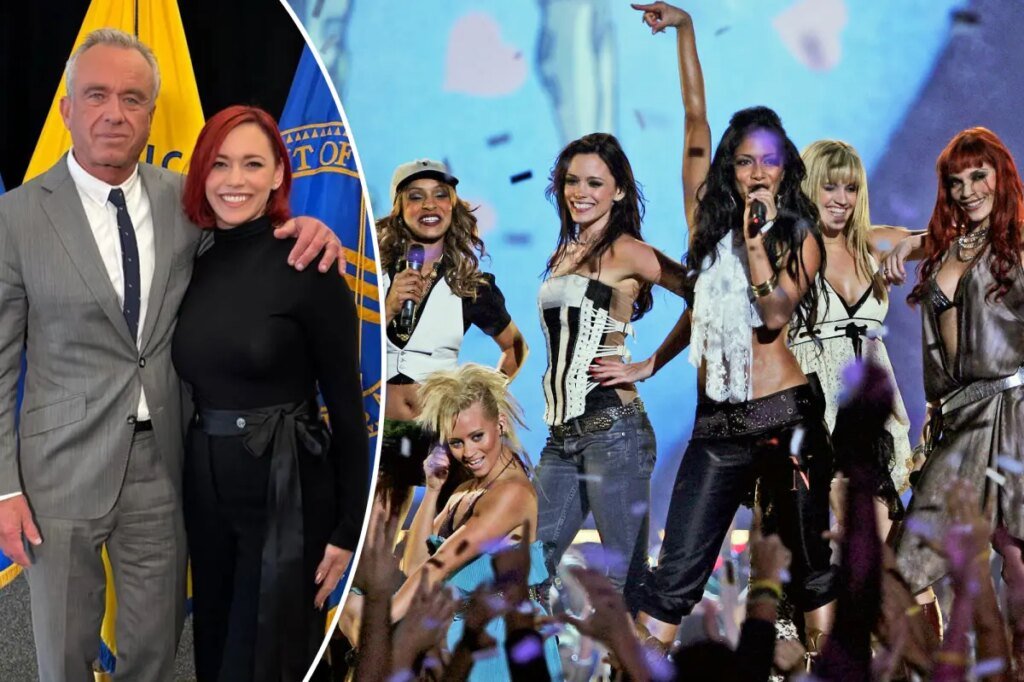
Jessica Sutta, the former member of the popular girl group Pussycat Dolls, has recently voiced her disappointment after being excluded from the group’s upcoming PCD Forever Tour. The reunion will feature only three members—Nicole Scherzinger, Kimberly Wyatt, and Ashley Roberts—leaving Sutta, along with Carmit Bachar and Melody Thornton, feeling blindsided and marginalized. Sutta’s claims suggest that her political views, particularly her support for presidential candidate Robert F. Kennedy Jr., may have played a role in her exclusion. This situation raises questions about the intersection of politics and personal relationships in the entertainment industry, as well as the ramifications of public opinion on an artist’s professional opportunities.

On March 12, the announcement of the PCD Forever Tour came as a surprise to Sutta and other former members, as they were not informed beforehand. Sutta described her feelings of betrayal, expressing that they were “blindsided” by the decision. During her March 22 appearance on “The Maverick Approach” podcast, she recounted her struggles to reach Pussycat Dolls founder Robin Antin prior to the tour announcement, revealing that she only received scant information the night the news broke. The emotional fallout was palpable, as Sutta could not hold back tears upon learning she was not included in the reunion.
The fallout didn’t end there. Following the announcement, Nicole Scherzinger did reach out to Sutta, but the emotional pain from being excluded overshadowed any potential reconciliation. Sutta’s decision to not even return Scherzinger’s call underscores the deep feelings of disappointment she holds towards the group. In her reflections, Sutta praised Scherzinger’s talents and success, particularly her recent Tony Award win, but felt hurt by how the series of events transpired. The singer articulated that this exclusion revealed the underlying dynamics within the group and how they may not align with her values.
Sutta’s political stance has also come under scrutiny, especially given her recent support for RFK Jr. and his positions on health and vaccines—issues that have personally affected her. She revealed that her health struggles began after she received a COVID-19 vaccine in 2021. This has prompted her to become more politically vocal, a shift that she feels has rendered her a liability in the eyes of the remaining members of the Pussycat Dolls. Declaring the reunion as a “cash grab,” Sutta stated that her alignment with RFK Jr. meant that she had become politically polarizing, and some might even label her as aligning with MAGA politics.
Despite the backlash, Sutta remains unapologetic about her views and has expressed how important it is for her to speak up for the vaccine-injured community. The frustration of being labeled and judged for her political affiliations reflects a larger societal issue where personal beliefs can impact professional relationships. Sutta insists she has never been politically active before but has found herself needing to raise her voice as it relates directly to her health and well-being.
Jessica Sutta’s journey as a member of the Pussycat Dolls has been long and complex, spanning from her debut in 2003 to significant success in the music industry, including multiple solo albums and dance chart hits. Her relationship with the group is filled with nostalgia, yet marred by current events. The planned reunion concert was not only a professional milestone for the group but also presented an opportunity for reunion and healing. However, the absence of Sutta, Bachar, and Thornton is a stark reminder that interpersonal relationships within the industry can be fraught and heavily influenced by external factors, including political beliefs and the broader cultural climate.
As the Pussycat Dolls gear up for their reunion, the dynamics within the group have shifted, and Jessica Sutta’s narrative serves as a powerful reminder of how personal beliefs can dictate professional landscapes. While the reunion can mark a new chapter for some, it clearly highlights the intersection of personal choices and the often unpredictable nature of public perception. The implications of Sutta’s exclusion expand beyond entertainment and into larger discussions on how political affiliations can influence industry relationships and the challenges faced by artists who dare to voice dissenting opinions.
This article is based on reporting from pagesix.com.
The original version of the story can be found on their website.
Original Source:
pagesix.com
Image Credit: pagesix.com ·
View image