


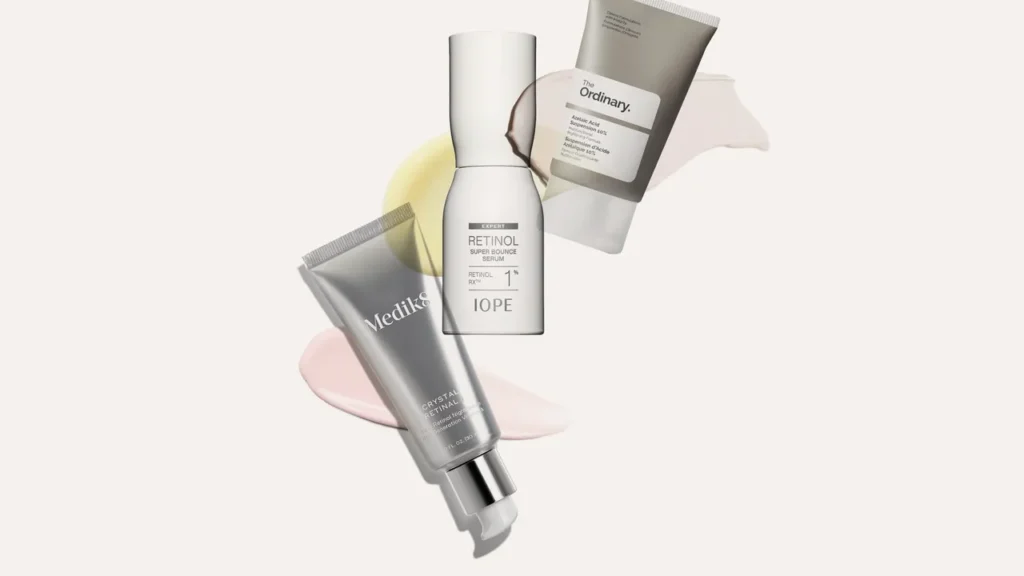
The Power of Tretinoin Alternatives for Skincare: A Comprehensive Guide
When it comes to skincare, finding the right products to address concerns such as acne, fine lines, and uneven texture can be a daunting task. While tretinoin is often considered the gold standard for achieving fast and effective results, not everyone tolerates its potency. Luckily, several alternatives, like retinol and retinaldehyde, promise significant improvements without the harsh side effects. This article delves into the best options for those seeking tretinoin-like benefits while maintaining skin health.

Understanding the Basics: Tretinoin and Its Alternatives
Tretinoin, a potent derivative of Vitamin A, is renowned for enhancing cell turnover and stimulating collagen production. However, it can cause irritation for some users. This is where alternatives like retinol and retinaldehyde come into play. Both ingredients are also Vitamin A derivatives but require conversion in the skin to become effective. Specifically, retinol needs two conversion steps, while retinaldehyde needs just one. As a result, they tend to be gentler on the skin, making them ideal for those who may struggle with tretinoin’s drying effects.
Why Niacinamide and Ceramides Matter
Incorporating ingredients like niacinamide and ceramides can greatly impact how your skin reacts to these retinoids. Niacinamide is known for its anti-inflammatory properties; it helps calm redness often associated with retinoids. Meanwhile, ceramides are crucial for maintaining the skin barrier, preventing moisture loss, and enhancing hydration. This balanced approach allows users to experience the benefits of acne treatment without the drawbacks of dryness, making these products more user-friendly.
The Importance of Consistency and Barrier Support
As any dermatologist will tell you, consistency is critical in any skincare routine. Whether you opt for tretinoin or its alternatives, regular use is essential for seeing noticeable results. Equally important is ensuring your skin’s barrier remains intact, particularly when using active ingredients. Incorporating daily sunscreen is non-negotiable for protecting your skin, especially when using products that increase sun sensitivity.
Meet the Dermatology Experts
Expert insight can help simplify your skincare choices. Dermatologists like Dr. Asmi Berry, Dr. Y. Claire Chang, and Dr. Shamsa Kanwal all emphasize the importance of individualized skincare regimens. They recommend assessing your skin type and sensitivity before selecting products. For those looking for effective alternatives, consulting with a board-certified dermatologist can help tailor a routine that fits your needs and goals while minimizing potential side effects.
Understanding Product Performance
When it comes to choosing tretinoin alternatives, it’s essential to evaluate products based on several criteria, including ingredient efficacy, texture, packaging, and overall user experience. Comprehensive product testing by organizations like Allure ensures that only the best formulations are recommended. Testing involves not just reviewing ingredients, but also seeking the opinions of a diverse group of testers with varying skin types and concerns. This inclusivity helps guarantee that the suggestions resonate with a broad audience.
Final Thoughts on Skincare Choices
Navigating the landscape of skincare can feel overwhelming, especially with the myriad products available on the market. However, understanding the differences between tretinoin, retinol, and retinaldehyde—as well as knowing how to support your skin barrier—can empower you to make informed decisions. Whether you’re looking for treatments that swiftly tackle fine lines or gentler alternatives that suit sensitive skin, there’s an option for everyone.
Boost your health naturally—click here to shop Nature Made vitamins at NatureMade and enjoy 25% off your first order! Shop Now!
This article is based on reporting from Allure.
The original version of the story can be found on their website.
Original Source:
9 Best Tretinoin Alternatives for Sensitive Skin, Acne, and Fine Lines
Image Credit: www.allure.com ·
View image