


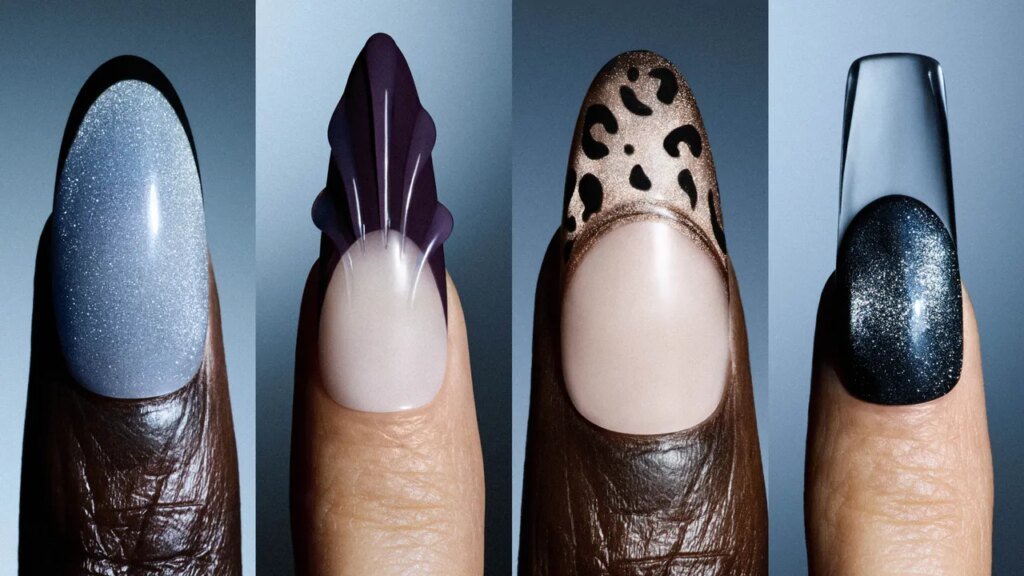
The Evolution of the French Manicure: From Tacky to Trendy
In the realm of nail aesthetics, few styles have sparked as much debate and transformation as the French manicure. Back in the early 2010s, the allure of this classic look was more of a source of ridicule than admiration. Editors at Allure often classified it as "tacky" or "gauche," dismissing it as a style mainly favored by certain stereotypes. Sophia Panych, who now serves as the content director at Allure, recalls how the senior team viewed the French manicure as emblematic of Hollywood excess rather than refined elegance. This sentiment was echoed by David Denicolo, former editor-at-large, who highlighted its association with "porn stars" and "Jersey girls."

Despite these perceptions, the French manicure boasts a rich and nuanced history. Originating in 1975, the concept was developed by manicurist Jeff Pink for Hollywood starlets in California, not France, as many might assume. His innovative design provided a natural and seamless look suitable for continuous filming, cleverly masking any nail growth that would appear on camera. As Panych notes, this design reflects a dazzling narrative about not only aesthetics but societal attitudes toward beauty and class.
In the decades that followed, the French manicure became a rite of passage for aspiring nail artists. Renowned nail artist Miss Pop, who has been in the industry for over 20 years, shared how her childhood obsession with mastering the French manicure shaped her career. Similarly, Elle Gerstein, a long-time nail artist whose celebrity clients include Michelle Williams and Kate Hudson, recognizes the technique’s influential role in her professional journey. In the late ’90s, J.Lo’s iconic request for a sophisticated pink-and-white French manicure elevated the look to a hallmark of glamor, making headlines and further solidifying its place in beauty history.
As fashions ebb and flow, even the French manicure found itself sidelined with the surge of more intricate nail art. By the early 2010s, Panych recalls the struggle to feature nail designs in print, as the conversation shifted toward more decorative forms of nail expression. This period marked a turning point, transitioning the French manicure from the margins of beauty standards back into the limelight. Its revival came just in time for a resurgence in popularity leading up to the global shutdown.
Today’s French manicure is a far cry from its former reputation. As Jin Soon Choi, a prominent nail artist, asserts, the modern interpretation is about creative freedom rather than perfectly matched aesthetics. Whether opting for playful color pairings or unexpected textures, the contemporary look encapsulates an artistic spirit that appeals to a broader audience. No longer just a default option, the 2026 French manicure invites individuality and personalization, challenging the notion that nails should only reflect traditional beauty standards.
The reinvention of the French manicure signals a broader shift in how beauty trends evolve. As we witness a transition away from rigid ideals, the French manicure exemplifies how designs can grow and adapt. While its history may have been marred by stigma, the look is now celebrated for its versatility, bridging the gap between classic elegance and modern creativity. For those keen on exploring this evolving trend, consider incorporating it into your nail repertoire.
Boost your health naturally—click here to shop Nature Made vitamins at NatureMade and enjoy 25% off your first order!
This article is based on reporting from Allure.
The original version of the story can be found on their website.
Original Source:
Behold, the French Manicure Trends of 2026
Image Credit: www.allure.com ·
View image