


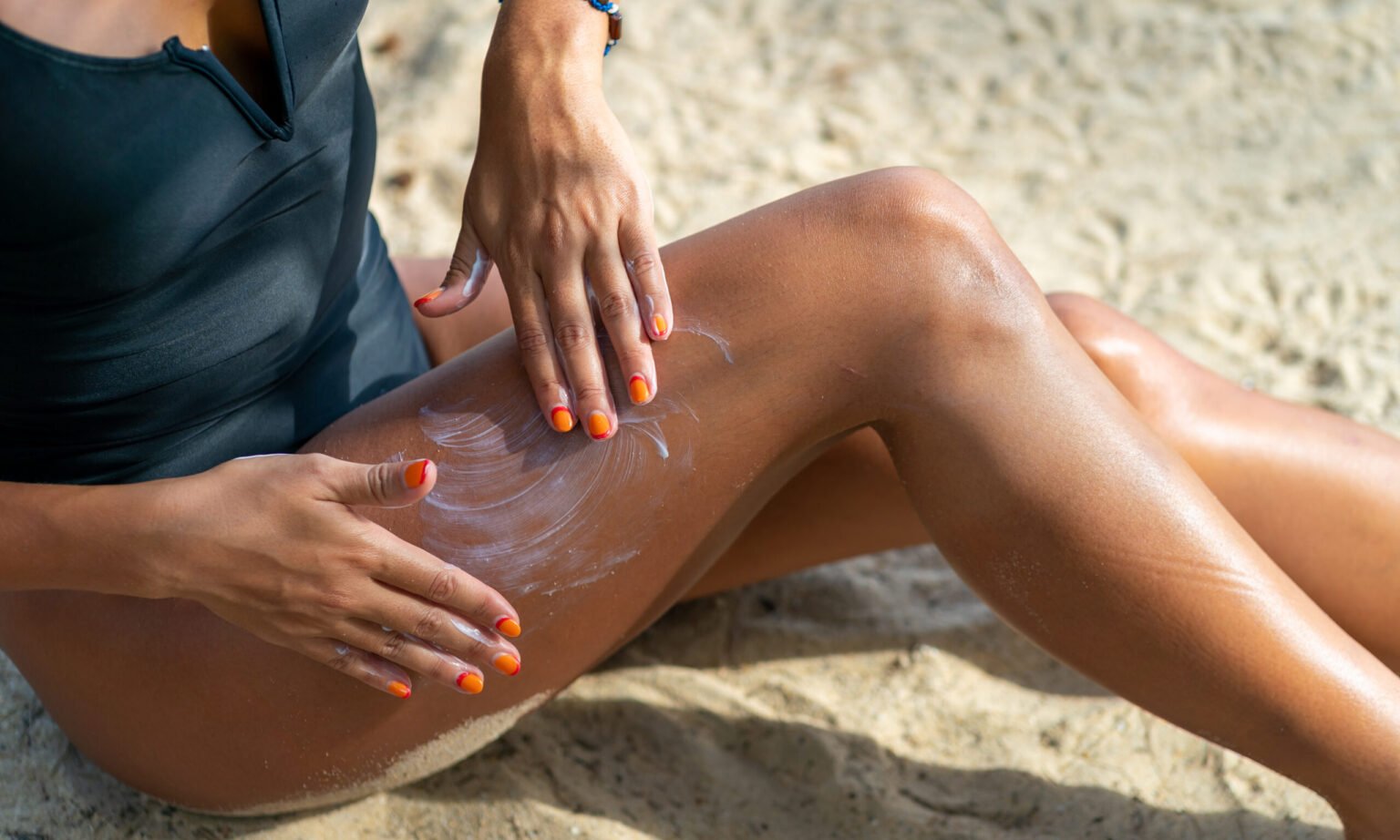
The Future of Sun Care: Bemotrizinol on the Horizon
In a significant move that could revolutionize sun care, the U.S. Food and Drug Administration (FDA) has proposed the addition of bemotrizinol, an innovative UV filter, to the list of approved ingredients for over-the-counter (OTC) sunscreens. This initiative aims to modernize a regulatory landscape that has remained largely unchanged for decades. According to Dermatology Times, this potential update is a long-awaited effort from the FDA’s Office of Nonprescription Drugs to reintroduce innovation to sunscreen products. Currently, there are 16 UV filters approved by the FDA, the last of which dates back to 1999. Thus, the inclusion of bemotrizinol signifies a pivotal moment not only for consumer safety but for skin protection science as a whole.

What is Bemotrizinol?
Bemotrizinol, also known internationally as BEMT or Tinosorb S, is an oil-soluble, organic, broad-spectrum UV filter. With extensive international usage, bemotrizinol has been a staple in many global markets for years but has yet to appear in U.S. sunscreen formulations. The FDA’s review notes that bemotrizinol provides excellent protection against both UVA and UVB rays, shows minimal systemic absorption, and has low rates of skin irritation. If the FDA finalizes the proposed order, bemotrizinol will be recognized as "generally recognized as safe and effective" (GRASE) for individuals aged six months and older, significantly expanding options in sunscreen for American consumers.
A Step Towards Modernization
Dr. Marty Makary, FDA Commissioner, highlighted the agency’s slow progress in this area, noting the limited options available to American consumers compared to those in other countries. “Americans deserve timely access to the best safe, effective, and consumer-friendly over-the-counter products available,” he stated. Under the OTC monograph system, sunscreens can enter the market without individual product approvals if they meet established requirements. Recent legislative measures have streamlined the process, facilitating more efficient updates to OTC drug standards.
For more insight into the monograph system and current FDA regulations, visit FDA’s OTC Drug Monograph.
The Role of Industry Advocates
The push for bemotrizinol’s inclusion follows an OTC Monograph Order Request (OMOR) filed by DSM Nutritional Products LLC, proposing the ingredient be authorized at concentrations up to 6%. As bemotrizinol has been approved in Europe since 2000, the FDA’s deliberation is particularly notable. Karen Murry, MD, acting director of the Office of Nonprescription Drugs, emphasized that the proposed addition would create more effective sunscreen options. Following the implications of the CARES Act, she expressed optimism for future innovations in the preliminary stages of regulatory review.
Community Support and Feedback
The American Academy of Dermatology (AAD) has also expressed strong support for this initiative. The AAD has been advocating for increased availability of sunscreen options for years, noting that the U.S. lags behind many countries with nearly double the number of approved sunscreen ingredients. President Susan C. Taylor, MD, stated, “The Academy applauds the FDA for taking this first step in more than two decades.” The AAD plans to review the proposed order and provide feedback. This collaboration demonstrates the importance of community and expert engagement in regulatory processes.
Why This Matters for Consumers
The introduction of bemotrizinol would be a welcome addition to the current array of sunscreen ingredients available in the U.S. Not only does it promise broad-spectrum UV absorption, but it also minimizes concerns regarding systemic absorption, making it a safer option for consumers. Christopher Bunick, MD, PhD, associate professor of dermatology at Yale School of Medicine, echoed similar sentiments, stating that there is a high unmet need for effective chemical sunscreens. He highlighted bemotrizinol’s potential to complement existing mineral-based options in terms of efficacy and safety.
If the FDA concludes that bemotrizinol meets GRASE criteria after soliciting and reviewing public comments, it will be formally added to OTC Monograph M020, thus enriching the market with a new, effective option for sun precautions.
Boost your health naturally—click here to shop Nature Made vitamins at Nature Made and enjoy 25% off your first order!
This article is based on reporting from NewBeauty.
The original version of the story can be found on their website.
Original Source:
FDA Proposes Approval of the First New SPF Active in 25 Years
Image Credit: www.newbeauty.com ·
View image