


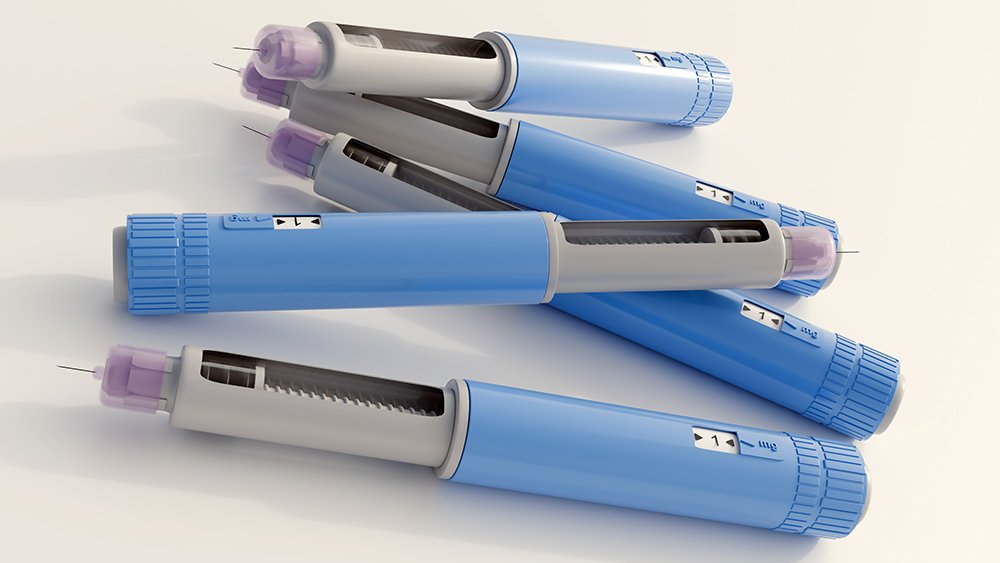
Understanding GLP-1 Medications: A Shift in Obesity Care
A New Era in Weight Management
The World Health Organization (WHO) recently made headlines by endorsing GLP-1 medications for obesity treatment. This endorsement represents a significant shift from outdated narratives that attributed weight loss solely to willpower. Instead, we are beginning to recognize that biological factors play a crucial role in weight management. The journey of GLP-1 medications, including well-known names like Ozempic and Wegovy, started with intriguing research on gut hormones and a surprising breakthrough from the desert-dwelling Gila monster.

The Gut Hormone Revolution
In the late 20th century, scientists were delving into how the body controls blood sugar levels post-meal. This research led to the discovery of glucagon-like peptide-1 (GLP-1), a hormone that aids in insulin secretion and appetite regulation. Amanda Kahn, MD, notes that this hormone helps lower blood sugar without causing dangerous dips in glucose levels, setting it apart from other diabetes treatments. However, the natural form of GLP-1 is incredibly short-lived, which posed a challenge for its use as a reliable medication.
Gila Monster to the Rescue
The pivotal moment in GLP-1 research came not from a lab but from an unexpected source: the Gila monster, a venomous lizard known for its unique feeding habits. The lizard produces a substance called Exendin 4 in its saliva, which resembles human GLP-1 and proved to be more stable. This discovery paved the way for the creation of exenatide, the first GLP-1 receptor agonist approved in 2005. Andrea Traina, PharmD, explains that this marked a revolution in our understanding of appetite and glucose metabolism, enabling further advancements in medication stability and efficacy.
From Diabetes Treatment to Weight Loss Solution
Initially, GLP-1 medications like exenatide were used primarily for diabetes management. However, doctors soon observed that patients were also experiencing significant weight loss. As noted by Dr. Kahn, the landscape changed around 2015 with the approval of higher-dose liraglutide (Saxenda) specifically for obesity treatment. Unlike previous diet medications, GLP-1s effectively help in appetite regulation and disrupt the cravings associated with high-sugar and high-fat foods. Recent studies on semaglutide—found in both Ozempic and Wegovy—indicate that these medications offer not only weight loss but also cardioprotective benefits.
The Future of GLP-1 Medications
As research continues, the focus has shifted toward enhancing the stability of GLP-1s in the body. The recent FDA approval of oral semaglutide (Wegovy) marks a pivotal moment in obesity treatment. Unlike its injectable predecessors, this daily pill formulation enables similar weight loss results while eliminating the need for needles. Obesity specialist Eduardo Grunvald, MD, highlights that this breakthrough expands access to effective treatment for those apprehensive about injections.
The Lasting Legacy of the Gila Monster
The journey of GLP-1 medications underscores the significant impact that understanding gut hormones can have on metabolic health. As Dr. Kahn points out, recognizing the gut as an endocrine organ allowed scientists to unlock one of medicine’s most potent tools for promoting longevity and managing obesity. For many individuals, using GLP-1 medications has validated their struggles with weight, highlighting the silent biological factors that influence their experiences with food.
For those interested in exploring natural supplements and enhancing their health journey, Boost your health naturally—click here to shop Nature Made vitamins at NatureMade and enjoy 25% off your first order!
This article is based on reporting from NewBeauty.
The original version of the story can be found on their website.
Original Source:
The Unusual Origin Story of Ozempic and Today’s GLP-1s
Image Credit: www.newbeauty.com ·
View image