


The Ultimate Guide to Self-Tanning: Tips, Products, and Safety
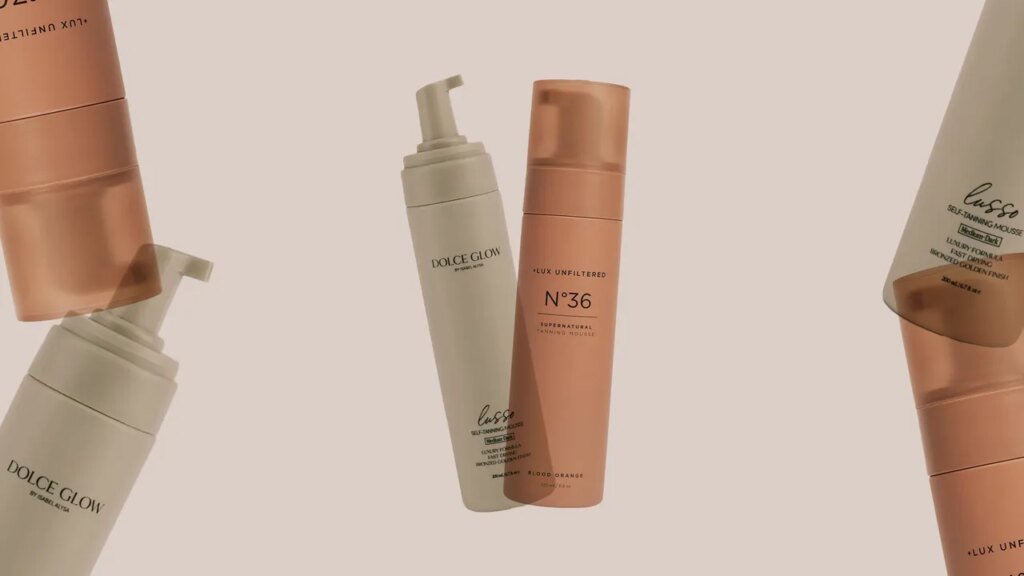
Self-tanning has become an alluring alternative to sunbathing and tanning beds, offering a safe way to achieve bronzed skin without the harmful effects of UV exposure. However, navigating the world of self-tanners can be tricky. This guide aims to break down essential tips, product recommendations, and safety considerations for anyone looking to achieve that coveted glow.

Prepping Your Skin for Self-Tanning
Preparation is critical when it comes to applying self-tanner. Before you even think about reaching for the bottle, complete all your beauty rituals such as waxing, manicuring, and moisturizing. "All of those treatments can remove self-tanner," warns Anna Stankiewicz, a spray tanning expert at Louise O’Connor Salon. Once you’ve optimized your grooming, exfoliating becomes the next step. Utilizing a body scrub or a cleanser that contains glycolic or salicylic acid will help eliminate rough patches and dead skin cells, creating a smooth canvas for the tanner to adhere to. For an even application, start at the legs and work your way up, finishing with the hands to ensure a blended look.
Choosing the Right Product
The key ingredient in most self-tanners is Dihydroxyacetone (DHA), which interacts with the amino acids in your skin to create a tan. While DHA is generally safe for topical use, be cautious about inhaling or ingesting it. A study from ABC News noted potential risks associated with spray tanning, especially for those with sensitive skin. Choose products that combine DHA with moisturizing emollients and stabilizing ingredients like erythrulose to avoid the dreaded orange tint. For recommendations, consider popular brands such as St. Tropez or Isle of Paradise for a more natural finish.
How Long Will Your Tan Last?
The longevity of a self-tan varies based on its formula and your skin type. Most self-tanners last between five to ten days before fading, mainly due to natural skin shedding. Ensure you’re using a gentle cleanser after application and keep your skin moisturized. Avoid harsh active ingredients like retinol or strong acne treatments, as these can dissolve your tan prematurely.
Avoiding Streaks for a Flawless Finish
To achieve that flawless, streak-free tan, focus on your skincare routine before application. Exfoliate well and make sure your skin is clean and dry. Hydrate dry patches, particularly around the knees, elbows, and ankles, to prevent those areas from absorbing too much color. If you’re new to self-tanning, start with a lighter shade and gradually transition to darker hues. After application, let the product dry longer than recommended—double the waiting time if possible—and use talc-free powder as an extra safeguard against transferring the tanner to clothing.
Self-Tanning for Your Face
Facial self-tanners are formulated differently than body products, thus it’s advisable to use products specifically designed for the face. Using body tanners on your face can clog pores and increase the risk of breakouts due to their oilier formulations. Brands like VITA LIBERATA offer facial tanners that can give you sun-kissed beauty while keeping your skin in check.
Troubleshooting and Removing Self-Tanner
If you notice uneven spots or streaking after application, don’t panic. You can utilize an exfoliating mitt on wet skin to lift unwanted color. Baby wipes can also help remove any misplaced product during the application. For those who might have stained hands, wash them immediately after tanner application for easier cleanup.
To conclude, self-tanning can elevate your beauty routine by providing a warm, healthy glow without the risks associated with UV exposure. With proper preparation, product selection, and techniques, anyone can achieve a flawless tan.
Boost your health naturally—click here to shop Nature Made vitamins at NatureMade and enjoy 25% off your first order!
Frequently Asked Questions
-
What are the best self-tanning tips?
Always prepare your skin and exfoliate well. Apply the tanner gradually, starting with your legs and finishing with your hands. -
Is self-tanner bad for you?
Generally, self-tanner is safer than UV tanning, but be cautious with application methods and avoid inhalation of aerosol products. -
How long does self-tanner last?
Expect your tan to last between five to ten days, depending on the product and your skin’s natural shedding cycle. -
Can you put self-tanner on your face?
Only use products designed specifically for facial application to avoid breakouts and irritation. - How do you remove self-tanner?
Use an exfoliating mitt or baby wipes to lift undesired color from your skin.
This guide should empower you to embrace self-tanning with confidence! Enjoy your journey to a beautifully bronzed glow.
This article is based on reporting from Allure.
The original version of the story can be found on their website.
Original Source:
These Self-Tanners Are Your Shortcut to a Sun-Kissed Glow
Image Credit: www.allure.com ·
View image