


The Rise and Fall of Mormon Culture in Utah: A Journey Through Beauty and Controversy
March 2023 marked a significant moment for Utah’s unique cultural narrative, particularly within the backdrop of the Church of Jesus Christ of Latter-day Saints (LDS). The anticipated fourth season of Hulu’s hit show The Secret Lives of Mormon Wives (SLOMW) was set to introduce ten new episodes rife with the aesthetic appeal that has been emblematic of Utah’s Mormon women—think soft waves, plump lips, and an unparalleled dedication to beauty. Just ten days later, viewers were also gaudily awaiting The Bachelorette, featuring the first Mormon lead, Taylor Frankie Paul, whose persona resonated with a new generation of reality TV fans. However, the sheen of this curated image began to tarnish with the emergence of shocking footage showing Paul in a violent outburst involving her ex-partner, which resulted in the sudden cancellation of The Bachelorette mere days before its premiere. This incident raised questions about the sustainability of Utah’s Mormon cultural impact, hinting at cracks in an otherwise glamorous veneer.

The cultural cachet of the LDS community has notably surged in recent years, largely due to the rise of lifestyle bloggers and reality TV stars who have leveraged their beliefs into marketable content. These influencers have often shared snippets of their seemingly idyllic lives filled with family, faith, and fashion. However, this month’s upheaval—underscored by extreme public scrutiny—has led to speculations about the essence of this cultural phenomenon. Are these increasing controversies a sign that the Mormon retail and media empire might be facing a reckoning? Or could this represent an opportunity for its evolution, foreshadowing a new chapter in how Utah’s beauty culture is perceived?
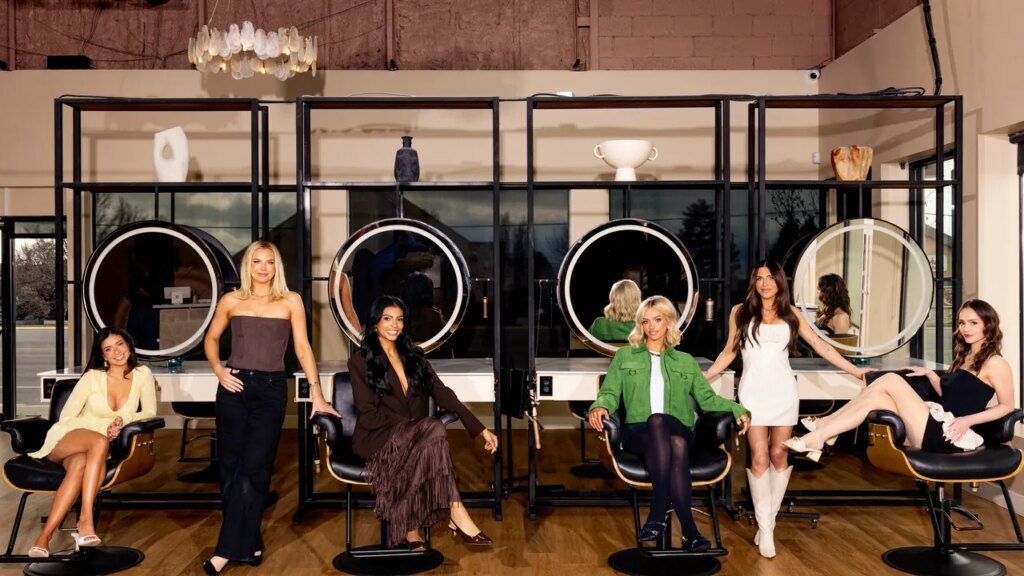
To better understand the evolving landscape, I traveled to Salt Lake City in light of this significant month for the community. While attending events and interacting with notable figures from SLOMW, I caught a glimpse of the powerful second wave of beauty influence amidst the backdrop of shifting societal expectations. My journey took me from the makeup chair of hairstylist Jessi Draper to local hotspots like Heather Gay’s med spa and popular "dirty soda" shops, giving me insights into the undercurrents steering Utah’s cultural dynamics.
In one of the most revealing encounters, Draper openly discussed her labiaplasty experience—a topic far from typical chat for a hairstylist. Yet, in Utah’s beauty culture, conversations about cosmetic enhancements like labiaplasty, Botox, and breast implants have become commonplace. This frankness underscores how intertwined personal aesthetics are with community identity, taking on a cultural significance that extends beyond the surface. Draper’s salon, JZ Styles, has not only become a local hub for beauty but reflects a broader trend where self-care and beauty treatments have become essential components of life for many in the Mormon community.
Notably, Utah has gained a reputation for having more cosmetic surgeons per capita than cities like Los Angeles. This speaks to a larger cultural acceptance of beauty enhancement, particularly in a state where faith-based guidelines traditionally frown upon excessive body adornment or consumption. Amidst it all, local habits, such as the infamous "dirty soda" drink—a blend of Diet Coke, flavored syrup, and half-and-half—have served as an accessible form of indulgence, emblematic of the complexities of the community’s approach to pleasure and appearance.
As we witness the unfolding narrative of Utah’s beauty culture, it is clear that while the mainstream media may reflect the idealized life of Mormon women, the reality on the ground is anything but perfect. The recent controversies, particularly surrounding figures like Taylor Frankie Paul, serve as a reminder that beneath the glossy exterior lies a tumultuous landscape of personal struggles and societal expectations. This juxtaposition raises critical questions about the sustainability of such a narrowly defined cultural persona and the implications for future generations of influencers and consumers within and outside LDS communities.
As we look ahead, the fate of Mormon cultural influence within the media and beauty sphere remains uncertain. Whether these recent events signify the end of an era or a transformative phase awaits to be seen. What is evident is that the narrative is far more complex than it first appears—a nuanced tapestry woven with strands of tradition, modern influence, and the ever-evolving public discourse.
In a world that constantly seeks the next trend, Utah’s journey through beauty and belief continues to be a fascinating case study. From the rise of influencers to the dramatic downfall of television projects, the coming months will be crucial in shaping the future of this vibrant community. For now, one thing is certain: the public will be watching closely as this story unfolds.
Boost your health naturally—click here to shop Nature Made vitamins at NatureMade and enjoy 25% off your first order! Shop Nature Made.
This article is based on reporting from Allure.
The original version of the story can be found on their website.
Original Source:
What’s a ‘Mormon Wife’ Supposed to Look Like in 2026? | The Secret Lives of Mormon Wives Cast Interview
Image Credit: www.allure.com ·
View image