


The Beauty: Aesthetic Obsession in Ryan Murphy’s New Body Horror Drama
Ryan Murphy’s latest venture, The Beauty, is a captivating exploration of aesthetics, driven by a mesmerizing visual design that is a hallmark of Murphy’s productions. From the highly publicized All’s Fair starring Kim Kardashian to the visual intricacies of Love Story, Murphy’s focus on character representation through costume design is a clear indication of his artistic vision. Costume designer Sarah Evelyn, who has worked with Murphy on projects like American Horror Story and Hollywood, elaborates on the significant role aesthetics play in The Beauty. She points out how vital the right costume is, asserting, “For Ryan, it’s life or death.” This intense focus on appearances reflects the show’s core themes and highlights the dark realities about beauty standards in contemporary society.

The Protagonist: Byron Frost’s Aesthetic Journey
The narrative unfolds around billionaire Byron Frost, masterfully portrayed by Ashton Kutcher, whose obsession with youth and wealth drives him to invest in a drug named The Beauty, which transforms everyday individuals into striking beauties with just one injection. This storyline resonates with the current fascination with beauty-enhancing drugs like GLP-1s, making the show eerily relatable. Throughout the eleven-episode series, models like Bella Hadid and Amelia Gray highlight the surreal standards of beauty. Evelyn emphasizes that with Murphy at the helm, costume design becomes an integral part of the storytelling, ensuring the outfits augment the characters’ portrayals rather than serve as mere window dressing.
Iconic Moments Shaped by Costume Design
One of the most striking scenes occurs in the pilot episode during a fashion show designed to evoke the style of Balenciaga’s spring 2023 collection. Models parade through the mud, adding a poignant commentary on the superficiality of beauty. The costumes sport oversized shoulders and a flowing silhouette, alluding to both ’40s and ’80s aesthetics—a combination that resonates through the series. Murphy’s choice to channel the edgy allure of The Hunger adds another layer to the visual composition. These design choices facilitate a narrative that is as visually enticing as it is thematically relevant, addressing the often dark pursuit of unattainable beauty.
The Intriguing Wardrobe of Claire and Beyond
Another standout moment features the character Claire, portrayed by Chanel Stewart. Her grand entrance in a floor-length black puffer coat—a nod to Moncler’s collaboration with Pierpaolo Piccioli—symbolizes more than just luxury; it embodies the complex relationship between beauty and danger. The coat reveals a lace-trimmed corset, artfully designed to convey a sense of ethereal seduction mixed with a predatory quality, echoing themes prevalent throughout The Beauty. This attention to detail reflects the overarching message: beauty can sometimes mask darker intentions. The layering of these complex meanings within character wardrobes enriches the narrative, offering viewers a visual feast laden with symbolic undertones.
Unconventional Fashion Statement
Byron Frost’s character navigates the world of high fashion through vibrant costumes that often evoke the opulence associated with Versace. Even in relaxed settings, such as at home, Kutcher’s character is donned in luxurious silk robes and flamboyant loungewear. The sartorial choices reflect not just wealth but also a distinct lifestyle obsessed with glamour, affirming that in The Beauty, appearance is paramount. Evelyn explains that the narrative necessitated over-the-top designs to encapsulate the grandeur of Byron’s life, providing an exaggerated contrast to the underlying horror present in the storyline.
A Daring Take on Medical Aesthetics
Evelyn discusses the innovative approach to medical uniforms featured in the show, showcasing how even doctors’ outfits are designed to turn heads. The Condé Nast staffers, despite their grotesque predicaments, are dressed in chic, stylized medical wear, flaunting a shocking use of nude latex. This juxtaposition infuses a sense of irony and allows the show to explore themes of humanity and ethics within the beauty industry. Characters like Ray, outfitted in hybrid lab coats, further expand this conceptual vision. Each attire, reflective of contemporary yet sci-fi elements, showcases how beauty metrics can often distort reality.
Nostalgia and Modernity Intertwined
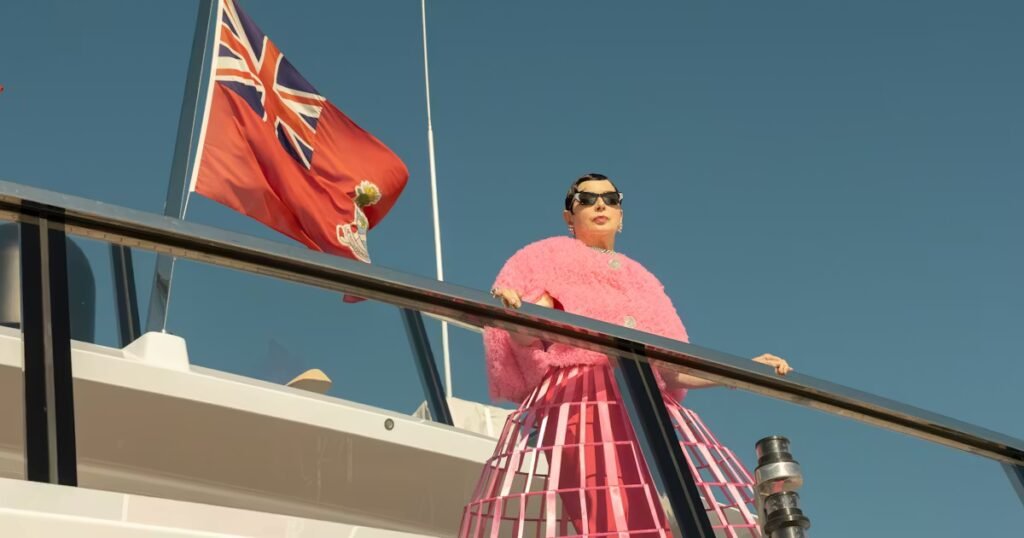
Isabella Rossellini’s portrayal of Franny, Byron’s wife, further cements The Beauty as a commentary on society’s ruthless pursuit of physical perfection. Her wardrobe, designed with the help of Jonathan Knipscher, blends modern aesthetics with colorful 19th-century silhouettes, creating a striking visual narrative reminiscent of past elegance yet firmly placed in contemporary dialogue. This intentional homage evokes a sense of nostalgia while seamlessly integrating modern elements, emphasizing the cyclical nature of fashion.
In the show’s climax, a clear reference to the classic Death Becomes Her emerges when Nicola Peltz Beckham appears in a breathtaking ensemble that pays homage to Rossellini’s iconic look. Evelyn’s creative choices serve to highlight the themes of vanity and the extremes individuals go to in pursuit of beauty, further cementing the interconnected narrative threads within the series. With each design serving as a character unto itself, The Beauty masterfully illustrates the complex relationship between aesthetics, identity, and the human experience.
For more information on the series and the dynamics of aesthetics in contemporary culture, explore Ryan Murphy’s works or investigate the latest trends in body positivity and beauty standards.
This article is based on reporting from www.wmagazine.com.
The original version of the story can be found on their website.
Original Source:
www.wmagazine.com
Image Credit: www.wmagazine.com ·
View image