


The Intricate Reimagining of Henrik Ibsen’s Hedda Gabler in Nia DaCosta’s Film Adaptation
Since its debut at Munich’s Königliches Residenztheater in 1891, Henrik Ibsen’s Hedda Gabler has incited strong reactions, particularly thanks to its deeply flawed and complex lead character. Nia DaCosta, the ambitious director behind 2023’s Hedda, has breathed new life into this classic. For DaCosta, it was the contradictions and flaws of Hedda that drew her in, as she articulates, “I was confounded—and compelled—by this woman at the center of the play.” As audiences have come to expect from Ibsen’s masterpiece, DaCosta’s interpretation invites viewers to engage with the character in ways that spark profound discourse on identity, agency, and societal constraints.

DaCosta’s Journey with Hedda
Nia DaCosta first encountered Hedda Gabler during her studies in London. Little did she know then that the anti-heroine would shape her cinematic voice. Following her breakout film Little Woods, DaCosta began adapting Ibsen’s work in 2018, with Tessa Thompson in mind for the lead role. Both women share a valuable friendship that has grown over the years, allowing for a creative synergy that is reflected in the film. “[Thompson’s] character is incredibly complex,” DaCosta emphasizes, revealing her aim to present a layered portrayal of human emotion.
A Fresh Context for a Timeless Story
Set in post-war England, DaCosta’s film diverges from the original 19th-century context, offering a timely exploration of freedom, personhood, and power dynamics that resonate strongly with contemporary audiences. “What is your relationship to power, to bravery and cowardice?” the director muses, linking Hedda’s struggles with those in today’s society. Themes of frustration and existential inquiry echo in our current landscape, making this adaptation feel both relevant and vital.
A Twist on the Classic Ending
One of the boldest choices DaCosta made was reinterpreting the tragic conclusion of the original play. In Ibsen’s version, devastation envelops Hedda, a staple of classic tragic endings. However, DaCosta chose to grant her character—and Lovborg—a chance at redemption and survival. “I think you can have tragedy without people dying,” she remarks, emphasizing the organic nature of human experience. This reimagined ending encourages audiences to believe in the potential for growth and second chances.
A Visual Feast
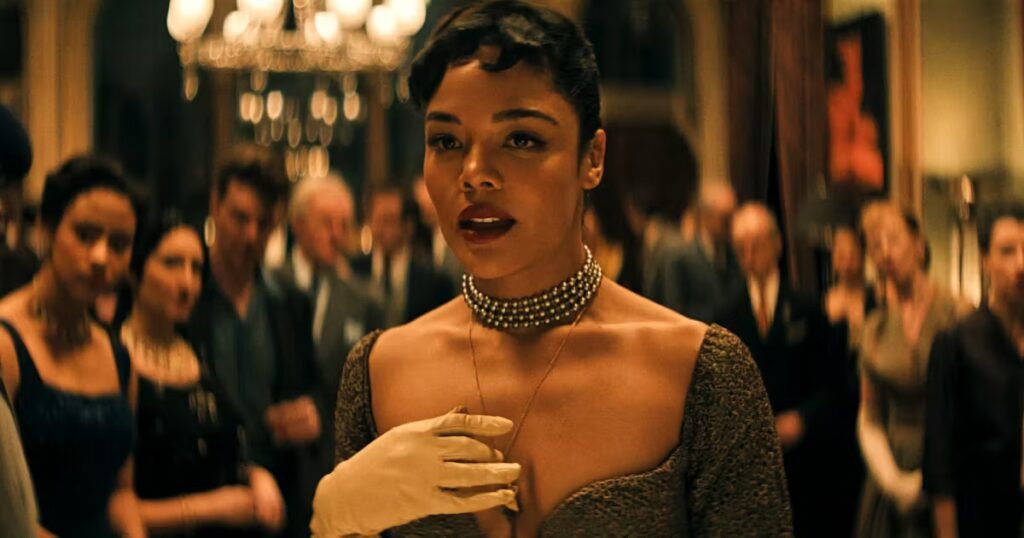
Another remarkable aspect of DaCosta’s adaptation is its visual presentation. The film exudes a richness that accentuates its narrative. Collaborating with costume designer Lindsay Pugh, DaCosta ensured that the period details were both authentic and eye-catching. The meticulous selection of Flintham Hall in Nottinghamshire as the film’s location plays a crucial role in enhancing the cinematic storytelling by echoing the layers of history that surround Hedda’s character.
Looking Forward
As for future collaborations, DaCosta has plans to work with Thompson again, as she is set to direct the pilot for a television show produced by Thompson. Their evolving partnership indicates not only a remarkable synergy but also a commitment to telling rich, complex stories. As audiences anticipate Hedda, it becomes clear that this film adaptation is not merely a retelling but an exploration of timeless truths about the human condition, resonating profoundly with today’s viewers.
In sum, Nia DaCosta’s Hedda stands as a testament to the enduring nature of Ibsen’s work while infusing it with modern relevance. Through a fresh narrative lens, stunning visuals, and a more forgiving resolution, Hedda invites audiences to reflect on their interpretations and experiences of life and freedom. For more insights into this thought-provoking adaptation, you can read further on W Magazine.
This article is based on reporting from www.wmagazine.com.
The original version of the story can be found on their website.
Original Source:
www.wmagazine.com
Image Credit: www.wmagazine.com ·
View image